
What Is CIPP Lining and Why Does It Matter in Louisiana?
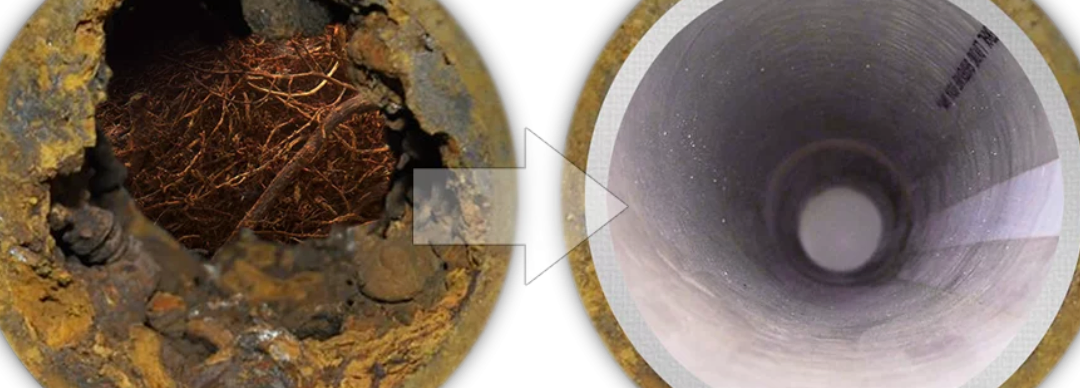
Cured-in-place pipe lining is a trenchless pipe repair method that creates a seamless, corrosion-resistant pipe within your existing damaged pipe — without requiring excavation. A resin-saturated liner is inserted into the damaged line and cured using heat, steam, or UV light, forming a rigid new interior wall that restores structural integrity and flow capacity.
For Louisiana property owners, this matters more than almost anywhere else in the country. The state sits on some of the most geologically active and moisture-saturated ground in the United States. According to the LSU AgCenter, Louisiana's soils range from sandy coastal deposits to heavy Sharkey and Schriever clays — vertisol soils that swell when wet and crack when dry, creating constant stress on buried infrastructure.
Traditional dig-and-replace methods in this environment are not only expensive — they're risky. Excavating in waterlogged, unstable soil can destabilize foundations, damage neighboring utilities, and take significantly longer than in regions with stable, dry ground. CIPP lining eliminates these risks by rehabilitating pipes from the inside, with no trenching required.
How Long Does CIPP Lining Actually Last?
Under standard conditions and with professional installation, CIPP lining is rated to last 50 years or more. Some industry manufacturers report resin systems with tested life expectancies exceeding 50 years, and because multiple epoxy layers can be applied over time, the total effective lifespan of a rehabilitated pipe system can potentially exceed 100 years.
However, the word "standard" deserves scrutiny when we're talking about Louisiana. The environmental variables here — from soil chemistry to groundwater saturation — are far from standard. That's why understanding local conditions is essential before assuming a one-size-fits-all lifespan estimate.
The CIPP liner material itself resists corrosion, root intrusion, and chemical degradation — three of the primary failure modes for traditional pipe materials like cast iron and vitrified clay. This built-in resistance gives CIPP a significant advantage in Louisiana's aggressive underground environment.
What Makes Louisiana's Soil So Challenging for Underground Pipes?
Louisiana's geology is defined by millennia of river deposits. The Mississippi, Red, and Ouachita Rivers have laid down layer after layer of alluvial sediment, creating a subsurface that varies dramatically — sometimes within the same neighborhood.
Heavy clay soils are widespread, particularly in the Mississippi River alluvial regions. These vertisol clays expand significantly when they absorb moisture and then shrink and crack during dry periods. This constant cycle of swelling and contraction places enormous mechanical stress on buried pipes. Research published in Springer Nature's Discover Soil journal confirms that Louisiana's geotechnical profile includes high compressibility, elevated water tables, and under-consolidated soils — all factors that accelerate infrastructure deterioration.
Soil subsidence compounds the problem. A study published in Hydrogeology Journal found that New Orleans is particularly vulnerable to shallow subsidence caused by peat oxidation and compaction, with average compaction reaching 31% and significant potential for further sinking. This ground movement creates bellies, sags, and joint separations in rigid pipe systems — the exact types of common pipe damage that plague Louisiana homeowners.
Because the CIPP liner conforms to the existing pipe's interior geometry and creates a jointless, monolithic structure, it can tolerate minor ground movement far better than segmented pipe systems with multiple connection points.
How Does Louisiana's High Water Table Affect CIPP Performance?
Louisiana's water table is notoriously shallow. In parts of New Orleans, groundwater has been measured as close as two feet below the surface. The state receives 50 to 65 inches of rainfall annually, keeping soils perpetually saturated across much of southern Louisiana.
This high water table creates hydrostatic pressure — the constant force of groundwater pushing against buried pipe walls. For traditional pipes with deteriorated joints, this pressure forces groundwater into the sewer system through every crack and gap, a phenomenon known as inflow and infiltration. Over time, this not only overwhelms sewer capacity but also accelerates the erosion of surrounding soil, leading to voids and eventual pipe collapse.
CIPP lining creates a continuous, sealed barrier that eliminates these infiltration points entirely. The cured resin is impervious to water, meaning it withstands hydrostatic pressure without allowing groundwater penetration. This is one of the primary reasons CIPP tends to perform exceptionally well in high-water-table regions — the very conditions that destroy traditional pipes are the conditions that showcase CIPP's strengths.
If the existing pipe has significant structural failure or collapse before lining, or if the liner is improperly cured, groundwater pressure can compromise adhesion. A thorough pre-lining camera inspection and professional assessment are non-negotiable in Louisiana.
Does Humidity and Heat Affect the Curing Process?
Louisiana's subtropical climate brings intense heat and high humidity for much of the year. These environmental factors directly influence the CIPP curing process — and by extension, long-term liner performance.
Resin curing is a chemical reaction that is temperature-sensitive. Louisiana's ambient heat can accelerate curing times, which sounds beneficial but actually requires more precise control from installation teams. If curing happens too quickly, the resin may not fully saturate the liner fabric or properly bond to the host pipe wall, creating weak spots that can fail prematurely.
High humidity also affects the working time of certain resin systems. Moisture in the air can interact with uncured resin before it's placed in the pipe, potentially compromising the chemical hardening process. Experienced installers account for these variables by adjusting resin formulations, timing their installations, and using curing methods — such as UV curing — that provide greater control regardless of ambient conditions.
This is where hiring a specialist with Louisiana-specific experience becomes essential. A crew from a dry, temperate climate may not understand the adjustments needed to achieve a proper cure in Baton Rouge humidity versus a Montana workshop.
What Factors Determine How Long Your CIPP Liner Will Last in Louisiana?
Several interconnected factors determine the real-world lifespan of a CIPP liner in Louisiana's conditions:
Epoxy-based resins offer strong corrosion resistance and long-term durability, with tested lifespans exceeding 50 years. The resin must be matched to specific conditions — pipe material, diameter, soil chemistry, and expected load.
Even minor deviations in resin mixing ratios, liner saturation, or curing temperature can dramatically reduce liner lifespan. In Louisiana, where environmental conditions compound every small error, precision isn't optional — it's everything.
The host pipe must be properly cleaned and assessed before lining. Obstructions, severe corrosion channeling, or structural collapse can prevent proper liner placement. Hydro jetting is often required to prepare the line.
CIPP liners are low-maintenance but not zero-maintenance. Periodic camera inspections every few years help catch minor issues before they become failures. Avoid flushing grease, wipes, and harsh chemicals.
Even within Louisiana, conditions vary widely. A property in the French Quarter faces different challenges than a home in north Louisiana's piney uplands. Understanding your specific soil profile matters.
How Does CIPP Compare to Traditional Pipe Replacement in Louisiana Soil?
Traditional pipe replacement in Louisiana requires excavating through unstable, often waterlogged soil. In cities like New Orleans, where the Sewerage & Water Board has documented widespread infrastructure deterioration due to unstable soil conditions and root intrusion, conventional excavation is especially problematic.
- Excavation in saturated clay soil
- Risk of trench wall collapse
- Dewatering adds cost and complexity
- 7–14 days typical timeline
- $8,000–$32,000 including restoration
- Disturbed soil may settle again
- Damages landscaping and driveways
- No excavation or soil disturbance
- No subsidence risk from digging
- Works in high water table conditions
- 1–3 day completion
- $3,500–$12,000 typical cost
- 50+ year rated lifespan
- Preserves property completely
For property owners weighing their options, understanding the full cost factors of pipe lining helps put the long-term value in perspective. While CIPP may have a comparable upfront cost to traditional replacement, the reduced risk, faster completion time, and 50+ year lifespan typically make it the more economical choice. Learn more about pipe lining costs in New Orleans.
Ready to Fix Your Sewer Pipe With No Digging?
Pelican Underground specializes in trenchless CIPP sewer lining throughout Louisiana, Mississippi, and Alabama. Our certified technicians deliver professional installations with 50+ year warranties and minimal disruption to your property.
Schedule Your Free Camera InspectionHow Can You Maximize the Lifespan of CIPP Lining in Louisiana?
If you're investing in CIPP lining for a Louisiana property, these steps help ensure you get the full 50+ year performance from your liner:
Start With a Comprehensive Inspection
Before any lining work begins, a professional sewer camera inspection should map the full condition of your pipe system. This identifies the extent of damage, locates root intrusion or bellied sections, and confirms the pipe is a good candidate for lining.
Choose an Installer With Regional Expertise
Louisiana's conditions demand specialized knowledge. Look for a company with documented experience in your area — whether that's New Orleans, Baton Rouge, or Lafayette. Ask about their curing methods and how they adjust for local humidity and temperature.
Ensure Proper Pipe Preparation
The existing pipe must be thoroughly cleaned before lining. Sewer cleaning and hydro jetting remove roots, scale, and debris that could prevent the liner from bonding properly.
Schedule Periodic Follow-Up Inspections
Even the best liner benefits from monitoring. A camera inspection every 3 to 5 years catches minor issues — like root regrowth at lateral connections — before they compromise liner integrity.
Address Warning Signs Promptly
Slow drains, gurgling sounds, sewage odors, and wet spots in your yard can all indicate pipe problems. Familiarize yourself with the warning signs that your pipes need immediate repair.
CIPP lining is rated to last 50+ years under normal conditions, and Louisiana's challenging environment — with its expansive clay soils, shallow water tables, and subtropical humidity — actually makes CIPP more advantageous than traditional pipe replacement, not less. The seamless, corrosion-resistant liner thrives where rigid, jointed pipe systems fail.
However, reaching that 50-year mark in Louisiana depends on three things: choosing the right installer with local expertise, ensuring thorough pre-lining inspection and cleaning, and committing to periodic maintenance. When all three align, CIPP lining is one of the most durable and cost-effective solutions available for Louisiana property owners dealing with aging or damaged sewer lines.
If you're experiencing signs of a clogged main sewer line or wondering whether your pipes are candidates for lining, contact Pelican Underground for a professional assessment. With service across Louisiana, Mississippi, and Alabama, our team understands the unique demands of your soil and climate — because we work in it every day.
"Pelican Underground lined our entire sewer in one day with their UV curing system. No digging up our new landscape, no mess, and it's warrantied for 50 years. Absolutely amazing technology!"
Read More Success Stories →