
Pelican Underground understands the unique storm water challenges municipalities face across New Orleans, Louisiana, and the Gulf Coast. Heavy rainfall, sea-level proximity, and aging infrastructure put constant pressure on local drainage systems. We deliver comprehensive municipal storm water solutions that protect your community, extend infrastructure lifespan, and maximize your limited budget through proven trenchless technology and preventive maintenance strategies.
Pelican Underground brings NASSCO-certified professionals with PACP, MACP, and LACP expertise to deliver trusted trenchless sewer repair services across Louisiana, Mississippi, and Alabama. Alexandria and Central Louisiana customers receive professional vertical stack lining, CIPP services, and drain cleaning for multi-story buildings and residential properties.
Our trenchless sewer repair services extend to Covington and the Northshore region, providing solutions for aging pipe systems in established neighborhoods. Expert trenchless services are available for Houma and Terrebonne Parish, addressing unique coastal challenges with no-dig pipe repair solutions. We offer reliable stack lining and pipe repair services for Slidell‘s multi-family residential and commercial buildings.

When maintaining critical underground infrastructure, municipalities require specialized solutions for wastewater system failures; our trenchless rehabilitation methods ensure minimal public disruption during emergency municipal sewer line repairs.
Effective underground infrastructure design must include systems that control runoff, which is why storm water management solutions are essential for preventing erosion, flooding, and environmental damage.
We work with your engineering team to develop comprehensive solutions that integrate detention, filtration, and conveyance systems. Whether you’re expanding existing infrastructure or designing new developments, we ensure systems meet both current needs and future capacity requirements.
Traditional storm water repairs meant significant disruption: closed roads, torn-up pavement, traffic detours, and angry commuters. Trenchless methods change this equation completely.
Minimal Surface Disruption – Repairs happen from inside the pipe. Roads stay open. Traffic flows normally. Businesses remain accessible. Residents barely notice the work.
Faster Project Completion – Most trenchless repairs complete in days, not weeks or months. This means less contractor cost, reduced traffic impact, and faster return to normal operations.
Lower Total Costs – While per-foot costs might seem higher initially, trenchless methods eliminate expensive excavation, traffic control, pavement removal and replacement, and landscape restoration. Total project costs often run 30-50% less than traditional replacement.
Superior Long-Term Performance – Modern trenchless materials resist corrosion, root intrusion, and chemical exposure. CIPP liners typically carry 50-year service life ratings, often outlasting the surrounding original pipe.
Pelican Underground LLC is a Louisiana-licensed contractor (LSLBC License #67347) and an active Nu Flow Technologies certified installer, serving homeowners, businesses, and municipalities across Louisiana, Mississippi, and Alabama. Every municipal sewer and storm water services project we complete is performed by licensed, insured technicians and backed by our written workmanship warranty.
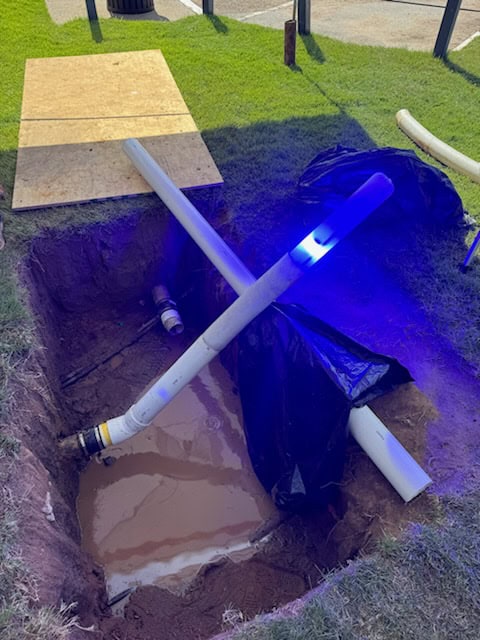
water solutions that deliver results. From comprehensive inspections to trenchless rehabilitation and ongoing maintenance programs, we help cities and counties manage storm water infrastructure effectively and efficiently.
Contact us today to discuss your community’s storm water challenges and discover how our proven solutions can protect your infrastructure investment while your municipality’s storm water system is critical infrastructure that protects residents, supports economic development, and preserves the environment. Aging systems need modern solutions that work within realistic budgets while minimizing disruption to daily life.
Pelican Underground specializes in municipal stormwater serving residents better.