
10 Urgent Signs Your Pipes Need Attention
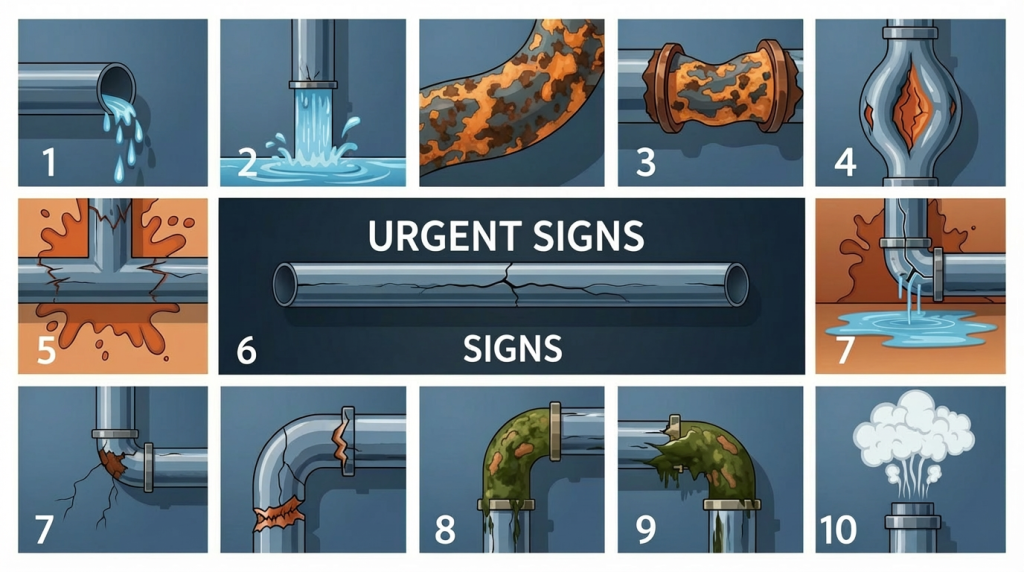
Spotting plumbing problems early protects your property, your health, and your budget. Left alone, small issues can become expensive repairs or safety hazards. This guide walks you through the ten warning signs that suggest your pipes need prompt sewer repair or replacement. We’ll cover what you can see, what changes in water quality mean, performance red flags, hidden clues, and how to decide between repairing and replacing—with notes on differences for homes and commercial properties. Use this as a practical checklist to act before a minor issue turns into an emergency.
What Are the Most Visible Signs of Damaged Pipes?
Visible problems are often the first clue that plumbing needs attention. Catching these early—leaks, damp patches, or visible corrosion—can save you from costly water damage and extended repairs. Keep an eye on exposed pipes, utility rooms, and areas under sinks.
How Do Leaks and Wet Spots Indicate Pipe Damage?
Leaks and wet spots are straightforward signs of pipe failure. Joints, seals, and connection points are common trouble spots. If you find standing water in a basement or constant dampness near fixtures, investigate right away. Ignoring leaks risks mold growth and structural damage, so arrange a professional inspection as soon as possible. A sewer camera inspection can help pinpoint the exact location and cause of the leak.
What Does Corrosion Look Like on Pipes and How to Recognize It?
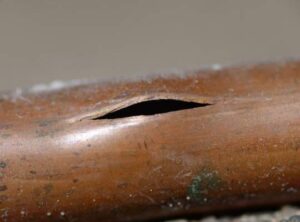
Corrosion usually appears as rust, flaking, or odd discoloration on metal pipes—especially in older systems. Cast iron pipes and ductile iron pipes are particularly susceptible to corrosion over time. Corroded sections weaken the pipe wall and can let contaminants into your water. When you see these symptoms, have a licensed plumber evaluate the pipe condition; corrosion often leads to leaks or requires replacement.
How Can Water Quality Reveal Plumbing Problems?
Changes in your water—its color, taste, or smell—are strong indicators of plumbing trouble. Paying attention to these differences helps you spot issues before they escalate into health or system failures.
What Does Discolored Water Signal About Pipe Condition?
Brown, yellow, or cloudy water usually points to rust or sediment in the lines. That can come from corroded pipes, disturbed supply lines, or contamination. If your water changes color, get it tested and have a plumber inspect the affected piping. Older cast iron or steel pipes are common culprits for discoloration issues.
How Do Unpleasant Sewer Odors Indicate Sewer Line Repair Needs?
Persistent sewer-like odors coming from drains or your yard typically mean a blockage, leak, or damaged sewer line. These are clear signs your main sewer line is clogged or compromised. Because sewer gas poses health risks, contact a qualified plumber right away to locate and fix the source. Professional sewer line repair may be necessary.
Sewer odors aren’t just unpleasant—they can indicate health hazards and larger system failures, as comparative studies have documented.
Improper Plumbing, Sewer Gas Leaks & Health Risks in Buildings
This paper compares improper plumbing and ventilation across residential and commercial buildings in Asia, Europe, and the United States. Field observations and case studies highlight gaps in code enforcement, poor construction practices, and design differences that allow sewer gas to spread—for example, missing traps and exposed drain lines in some regions.
GLOBAL CASE STUDIES OF IMPROPER PLUMBING AND VENTILATION: HEALTH RISKS AND REGULATORY GAPS IN ASIA, EUROPE, AND THE UNITED STATES
What Performance Issues Signal Your Pipes Need Attention?
Performance issues—like low water pressure, slow drains, and noisy pipes—usually point to underlying plumbing problems. Addressing them early prevents service interruptions and larger repair bills.
How Does Low Water Pressure Indicate Pipe or Plumbing System Problems?
Low water pressure can be caused by leaks, blockages, or deteriorated pipes. If pressure drops suddenly or only at certain fixtures, investigate: it may be a localized issue or a sign of failing pipework that needs repair. Inflow and infiltration issues can also affect system pressure and performance.
What Causes Slow Drains, Frequent Clogs, and Noisy Pipes?
Slow drains and recurring clogs are often the result of debris buildup, grease, or tree-root intrusion in sewer lines. Professional drain cleaning or sewer cleaning can address these issues. For stubborn blockages, hydro jetting provides a powerful solution. Noisy pipes—gurgling, banging, or knocking—usually point to trapped air, loose fittings, or failing valves. These symptoms typically worsen with time, so have them inspected before they lead to a major failure.
What Hidden Signs Suggest Immediate Pipe Repair or Replacement?
Some warning signs aren’t obvious but are critical: unexplained increases in your water bill, mold growth, or the simple age of your pipes. Recognizing these hidden clues helps you act before damage becomes extensive.
How Can Increased Water Bills Reveal Hidden Leaks?
A sudden rise in your water bill without increased use is a classic sign of a hidden leak. Monitor your meter and usage—even small leaks can waste large volumes of water and cause serious damage over time. A sewer camera inspection can locate hidden leaks without invasive digging. Learn more about why you need a sewer camera inspection to catch problems early.
Why Is Mold Growth and Pipe Age Critical Warning Signs?
Mold near pipes or in damp areas signals ongoing moisture, often from a leak. Pipe age matters too: many metal pipes last roughly 50–70 years, while some plastics have shorter lifespans. Vitrified clay pipes and older cast iron systems are commonly found in aging homes. If your plumbing is approaching those ages, plan inspections and budget for possible replacement. Understanding how long pipe lining lasts can help you make informed decisions about repairs versus replacement.
When Should You Consider Repair Versus Replacement of Old Pipes?
Deciding between repair and replacement depends on the severity of the damage, the age of the system, and long-term cost. Consider whether a short-term fix will hold or whether replacing aging lines is the smarter investment for reliability and peace of mind. Learn more about who is responsible for sewer line repair to understand your obligations.
What Are the Benefits of Trenchless Pipe Repair and CIPP Lining?
Trenchless pipe repair and CIPP (Cured-In-Place Pipe) lining are less invasive alternatives to traditional dig-and-replace methods. They reduce disruption to your property, often cut repair time, and can extend the life of existing pipes—when a camera inspection shows they’re a good fit. For more details, read our guide on what is trenchless sewer repair and explore the pros and cons of trenchless sewer repair. Pipe lining is another effective option for restoring damaged pipes. For localized damage, point repairs may be sufficient.
How Do Professional Diagnostics Like Sewer Camera Inspection Help Decide?
Sewer camera inspections let technicians see blockages, cracks, and root intrusion without excavation. That clarity helps you choose the right solution and avoid unnecessary work. The National Association of Sewer Service Companies (NASSCO) recommends camera inspections as a best practice for assessing pipe condition before any rehabilitation work.
How Do Residential and Commercial Pipe Warning Signs Differ?
Residential and commercial properties share many warning signs, but commercial systems face heavier use and greater complexity. Understanding those differences helps owners prioritize repairs and reduce downtime.
What Unique Pipe Issues Affect Homeowners?
Homeowners commonly deal with tree-root intrusion, aging pipes, and isolated leaks. Seasonal ground movement and house-specific plumbing layouts can make these problems worse. Residential drain cleaning and rooter service help address common household clogs. Routine maintenance and timely inspections keep small issues from growing. Residential pipe lining offers a minimally invasive repair option for homeowners.
Research into residential plumbing defects underscores why homeowners benefit from proactive inspections and prompt repairs.
Identifying Plumbing Defects & Causes in Residential Buildings
This study helps engineers and facilities managers identify common plumbing defects in residential buildings, explains typical causes, and outlines corrective actions to reduce future failures.
Plumbing defects in residential buildings: analysis of anomalies and their causes, A Gurmu, 2023
What Are Common Sewer Line Repair Indicators for Commercial Properties?
Commercial properties often show more severe symptoms—frequent backups, slower drainage under heavy loads, and persistent odors—because of higher usage and more complex piping. Industrial drain cleaning services address the heavy-duty needs of commercial facilities. For multi-story buildings, vertical stack lining can rehabilitate drainage systems without major disruption. Acting quickly reduces business interruption and potential compliance issues. Municipal sewer line repair services are also available for larger infrastructure projects.
| Warning Sign | Description | Recommended Action |
|---|---|---|
| 1. Leaks and Wet Spots | Water pooling or persistent damp spots near pipes and fixtures | Inspect and repair right away to prevent mold and structural damage |
| 2. Corrosion | Rust, flaking, or discoloration on metal pipes | Have a licensed plumber evaluate pipe condition; may require replacement |
| 3. Discolored Water | Brown, yellow, or cloudy water from taps | Test water and inspect lines for rust or sediment contamination |
| 4. Unpleasant Sewer Odors | Persistent sewer-like or rotten-egg smells from drains | Have sewer lines inspected promptly due to health risks |
| 5. Low Water Pressure | Sudden or noticeable pressure drop at fixtures | Check fixtures and lines for leaks, blockages, or deteriorated pipes |
| 6. Slow Drains | Water draining slowly from sinks, tubs, or showers | Professional drain cleaning or hydro jetting to clear blockages |
| 7. Frequent Clogs | Recurring blockages that keep coming back | Investigate for debris buildup, grease, or tree-root intrusion |
| 8. Noisy Pipes | Gurgling, banging, or knocking sounds in plumbing | Inspect for trapped air, loose fittings, or failing valves |
| 9. Increased Water Bills | Unexplained rise in water usage and costs | Monitor meter for hidden leaks; schedule sewer camera inspection |
| 10. Mold Growth and Pipe Age | Mold near pipes or plumbing approaching 50-70 years old | Find moisture source and fix it; plan inspections and budget for replacement |
The table above highlights common warning signs and the immediate steps to take. Early detection saves money and protects your property from larger failures.
Staying aware of these warning signs helps you maintain a healthy plumbing system. By tracking visible damage, water quality changes, performance issues, and hidden clues, you can act before problems escalate. Whether you manage a home or a business, scheduled inspections and timely maintenance extend system life and reduce emergency repairs. For cost information, see our guides on pipe lining costs in New Orleans and pipe lining project pricing.
Conclusion
Keeping an eye out for pipe damage protects your property and prevents costly surprises. Recognize the visible cues, monitor water quality and performance, and don’t ignore hidden signs like rising bills or mold. When in doubt, call a licensed plumber—regular inspections and prompt repairs are the best way to keep your plumbing reliable. Don’t wait for a small issue to become an emergency: contact Pelican Underground to schedule a professional inspection today. Check out our reviews and testimonials to see why customers trust us with their plumbing needs.
Frequently Asked Questions
How often should I have my pipes inspected?
For most homes, a professional sewer camera inspection every 1–2 years is recommended. Older homes with cast iron or clay pipes may benefit from annual inspections.
Can tree roots really damage my sewer line?
Yes, tree roots are one of the most common causes of sewer line damage. They seek out moisture and can infiltrate pipe joints, causing blockages and cracks. Rooter service and hydro jetting can clear root intrusions.
What should I do if I notice a sewer smell in my home?
Sewer odors indicate a potential blockage, dry trap, or damaged sewer line. Avoid ignoring this warning sign—contact a professional for a sewer camera inspection to identify and address the source.
Is it better to repair or replace old pipes?
It depends on the extent of damage and pipe condition. Trenchless repair or pipe lining can extend the life of pipes with moderate damage, while severely deteriorated pipes may need full replacement via pipe bursting.
How much does pipe repair typically cost?
Costs vary based on pipe material, damage extent, and repair method. See our detailed guides on pipe lining costs in New Orleans and pipe lining project pricing for typical price ranges.
Will my homeowners insurance cover pipe repairs?
Coverage varies by policy. Some policies cover sudden pipe failures but exclude gradual deterioration or root damage. Read our guide on whether homeowners insurance covers sewer line repair for more information.
What causes pipes to corrode?
Corrosion is caused by chemical reactions between the pipe material and water or soil. Factors include water pH, mineral content, and pipe age. Cast iron and steel pipes are most susceptible to corrosion.
How do I know if my floor drains need attention?
Slow drainage, foul odors, or water backing up are signs your floor drains need cleaning or repair. Regular maintenance prevents buildup and keeps drains functioning properly.
Can pipe problems affect my property’s foundation?
Yes, leaking pipes can erode soil beneath your foundation, leading to settling or cracks. Addressing pipe issues promptly protects your property’s structural integrity.
