
Installing and repairing underground utilities is a cornerstone of modern infrastructure — and in the Gulf South, projects bring extra complexity from coastal soils, high water tables, and aging systems. This guide walks through what utility tunneling contractors do, the trenchless and diagnostic technologies they rely on, and why strict environmental and permitting practices matter. You’ll get a clear view of common methods, the region’s specific challenges, and practical tips for choosing a contractor who can deliver safe, timely results.
Roles and expertise of utility tunneling contractors
Utility tunneling firms combine specialized construction skills with regulatory know‑how and environmental stewardship. Their core capabilities include trenchless technology, non‑destructive diagnostics, permitting and compliance, complex project management, and emergency response. Knowing these functions helps owners and engineers select the right team for sensitive underground work.
Trenchless Technology
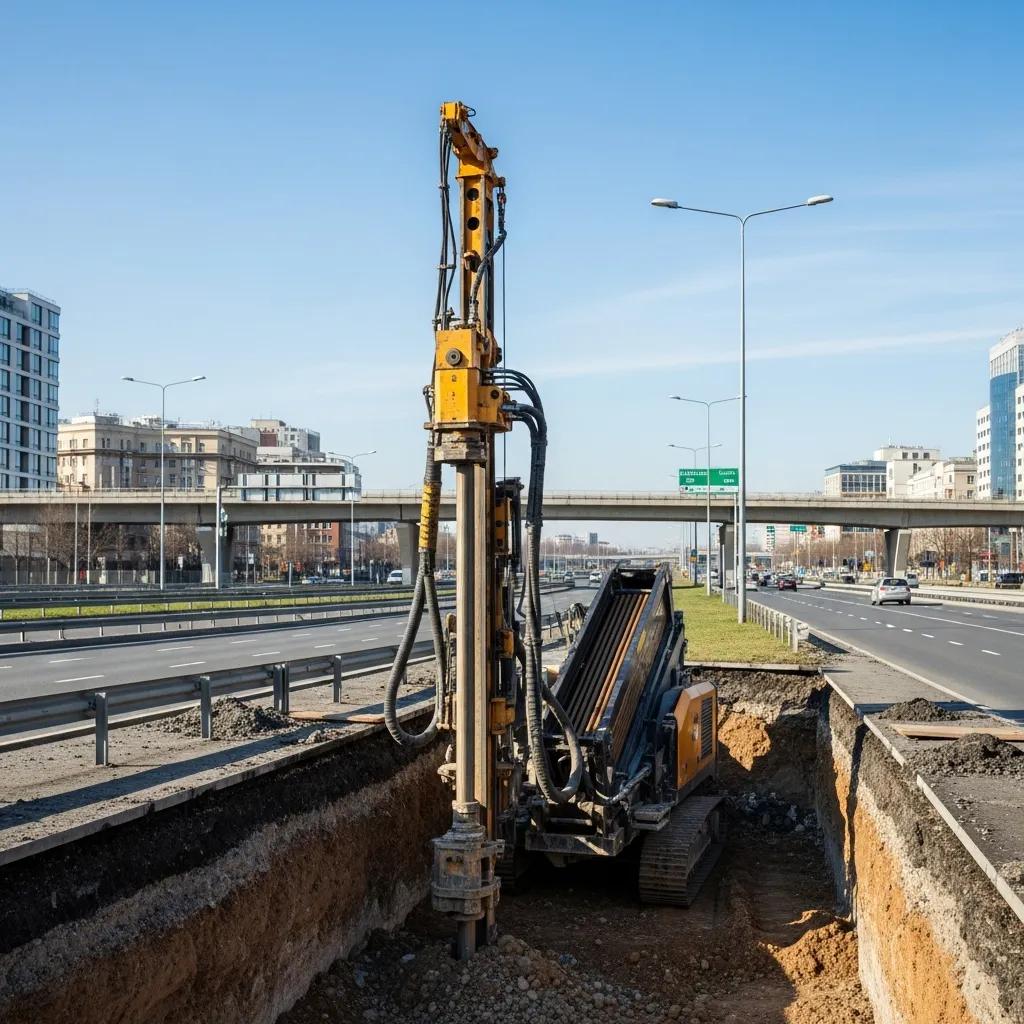
“Trenchless” covers techniques that install or repair pipes with minimal excavation. That reduced surface impact is especially valuable in congested urban corridors, where full open‐cut work would disrupt traffic and utilities. Trenchless methods such as horizontal directional drilling (HDD) and pipe bursting cut restoration time and cost, shorten schedules, and limit environmental disturbance — making them a preferred choice for many crossings.
Recent research highlights how these approaches support more sustainable utility installs and lower construction impacts.
Advanced Diagnostic Tools
Accurate diagnostics are the foundation of safe, economical repairs. Contractors use ground‐penetrating radar (GPR), acoustic leak detectors, and closed-circuit video inspection to map subsurface utilities and verify pipe condition before any work begins. These technologies reduce surprises, focus repairs, and lower the risk of costly delays or accidental hits to adjacent infrastructure.
Environmental Compliance
In the Gulf South, environmental compliance isn’t optional — it shapes how projects are planned and executed. Contractors must follow rules for land disturbance, water quality, and habitat protection. Best practice means early site assessments, erosion and sediment controls, and securing the right permits. Proper compliance reduces legal risk and keeps projects moving on schedule.
Project Management
Strong project management keeps multi‑utility work coordinated and on budget. Effective teams sequence crews, handle traffic control, communicate with stakeholders, and adapt plans when subsurface conditions change. The result: fewer surprises, safer work sites, and timely delivery that respects community access.
Emergency Services
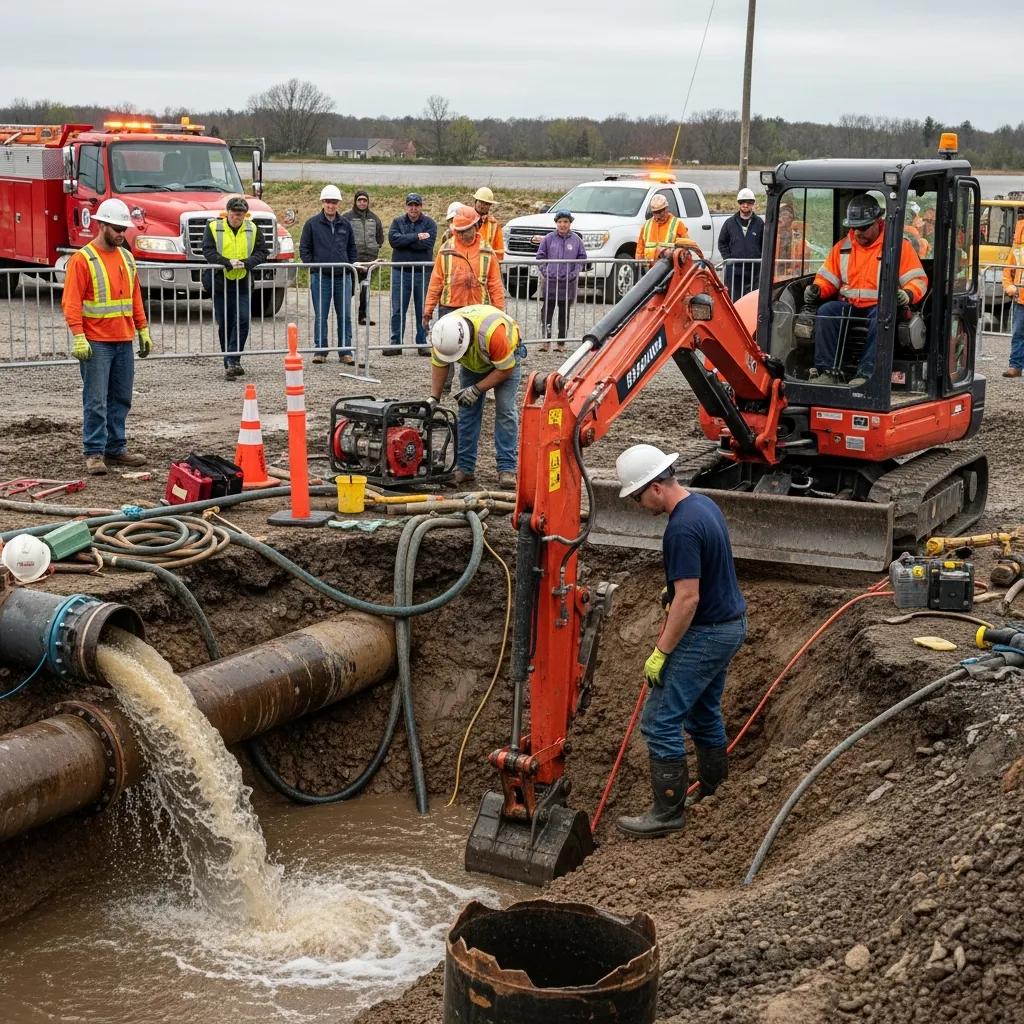
Many tunneling contractors also offer 24/7 emergency response for incidents like water main breaks or gas leaks. Quick mobilization and experienced crews limit downtime and protect public safety — a critical capability for utilities and municipalities that need rapid, reliable repairs.
Regional challenges contractors must manage
Contractors in the Gulf South contend with unique hurdles: dense urban utilities, coastal geology, aging systems, complex permitting, and strict safety expectations. Anticipating these factors early in planning improves outcomes and lowers project risk.
Urban Infrastructure
Urban sites are crowded — with buried utilities, heavy traffic, and limited workspace. Successful contractors coordinate traffic control and utility locates, communicate with local agencies, and stage equipment to minimize disruption to businesses and residents.
Coastal Conditions
Coastal projects face high water tables, soft or variable soils, and erosion risks. Effective mitigation requires geotechnical insight, dewatering strategies, and construction methods tailored to local geology and hydrology to protect both the project and nearby environments.
Aging Infrastructure
Many Gulf South systems are decades old. Corrosion, differential settlement, and outdated materials add complexity to replacements and repairs. Contractors experienced with rehabilitation techniques — from sliplining to CIPP lining and selective replacement — can extend service life while minimizing excavation.
The long‑term decline of some urban utility systems is well documented and reinforces the need for planned renewal strategies.
Regulatory Navigation
Permitting varies by jurisdiction. Contractors who understand local requirements and maintain relationships with permitting agencies can shorten approval timelines and avoid unexpected conditions that slow work.
Safety Protocols
Safety drives every tunneling decision. Compliance with OSHA standards, confined‑space procedures, and site‑specific safety plans protects crews and the public. Contractors with strong safety cultures also reduce downtime and insurance risk.
Common methods for underground utility tunneling in the Gulf South
Contractors choose methods based on ground conditions, the type of crossing, and surrounding constraints. Below are the techniques most often used for road, rail, levee, and water crossings.
Road Crossings: Navigating State Highway Regulations and Techniques
Crossing state highways in Louisiana, Mississippi, and Alabama requires adherence to each state’s Department of Transportation (DOT) encroachment permit processes. These permits regulate utility installations beneath load-bearing roadways to ensure safety and infrastructure integrity.
Many state highway specifications mandate the use of steel casing installed by auger boring or pipe jacking methods. Open-cut excavation is often prohibited under these critical roadways to prevent structural damage and traffic disruption.
Research from the Texas A&M Transportation Institute on overweight load routing impacts on buried utility facilities confirms that casing requirements under state highways are critical to preventing damage from dynamic surface loads.
When microtunneling is selected over auger boring for road crossings, it is typically due to longer drive lengths, the need for precision grade control—especially for gravity sewer lines—or soft soil conditions that make dry-bore methods impractical. Microtunneling offers enhanced accuracy and control, ensuring compliance with stringent grade requirements and minimizing surface impact.
Railroad Crossings: Meeting Class I Railroad Requirements
Utility crossings beneath Class I railroads such as Union Pacific, BNSF, and KCS/CPKC require encroachment agreements with the railroad companies. These agreements often specify the installation of steel casing with a minimum depth below the base of the rail to protect rail infrastructure and ensure safety.
Auger boring with steel casing is the most common method for short railroad crossings in the Gulf South, providing a reliable and minimally disruptive solution. Contractors must also install casing spacers and end seals to maintain pipe integrity and prevent corrosion. Cathodic protection systems are frequently required to extend the lifespan of steel casings in corrosive soil environments.
The Transportation Research Board’s guidance on traffic signal operations near highway-rail grade crossings highlights the complexity of coordinating utility work at rail crossings and reinforces why encroachment agreements and safety windows with rail authorities are strictly enforced.
Waterway Crossings: Navigating Environmental Permits and Technical Challenges
Waterway crossings—including rivers, bayous, and drainage canals—are subject to rigorous environmental permitting, primarily through the U.S. Army Corps of Engineers (USACE) Section 404 and Section 10 permits for navigable waters. These permits regulate discharges and disturbances to aquatic environments, requiring detailed environmental documentation and coordination. Contractors operating in the Gulf South should also be familiar with storm water management requirements that apply when work is performed near or beneath waterways.
Horizontal directional drilling (HDD) is frequently employed for long waterway crossings, especially when flexible product pipe such as HDPE is used. HDD minimizes surface disturbance and avoids in-water construction, protecting sensitive habitats.
Microtunneling is preferred for precision gravity sewer crossings under waterways where strict grade control is critical. This method provides the accuracy needed to maintain proper flow and prevent infiltration or exfiltration issues.
Louisiana presents unique challenges due to many waterways having very soft bottom sediments, which make traditional cofferdam construction impractical. In these cases, trenchless methods like HDD and microtunneling are often the only viable options to safely and effectively install utilities beneath waterways.
Academic analysis of sustainability of water resources in karst areas undermined by tunneling underscores the importance of selecting the right trenchless method to protect aquifer integrity and avoid long-term environmental impacts beneath waterways.
State 811 Notification Requirements
Before any excavation or underground utility work, contractors must comply with state 811 notification requirements to ensure utility locates and prevent accidental damage:
- Louisiana: 1-800-272-3020
- Mississippi: 1-800-227-2660
- Alabama: 1-800-292-8525
How horizontal directional drilling enables trenchless crossings
Horizontal directional drilling (HDD) creates a guided pilot bore and then pulls product pipe through the completed bore path. HDD is ideal for avoiding open cuts beneath roads, railways, levees, and waterways, delivering a low‑impact crossing with minimal surface restoration.
Industry experience shows HDD is effective where surface disruption or environmental sensitivity makes open‑cut methods impractical.
Horizontal directional drilling for utility crossings
HDD has become a common choice for pipeline and cable crossings where open excavation would be disruptive or environmentally undesirable — including rivers, highways, rail lines, levees, and coastal defenses. Its adoption reflects both technical maturity and proven environmental benefits. Horizontal directional drilling, 2004
Why trenchless methods are beneficial for infrastructure work
Trenchless techniques deliver clear advantages:
- Reduced surface disruption: Minimized excavation preserves roads, landscaping, and traffic flow.
- Cost-effectiveness: Lower restoration and labor costs compared with full open-cut work.
- Faster project completion: Shorter field schedules reduce community and business impacts.
For congested areas, those benefits often outweigh higher equipment costs.
How contractors manage crossings under roads, railways, levees, and waterways
Contractors use several proven methods to complete crossings safely and reliably:
- Bore and jack method: Create a line of boreholes, then hydraulically jack the pipe into place beneath the structure.
- Pipe bursting: Replace an existing pipe by fracturing it and pulling in a new pipe simultaneously.
- Microtunneling: Employ remotely controlled tunneling machines for high‑accuracy installs in confined alignments.
Choosing the right method depends on ground conditions, surrounding infrastructure, and permitting constraints.
Permits and regulatory compliance for underground utility crossings in Louisiana and the Gulf South
Permits are a key early task for waterway and major crossings. Understanding the required clearances and the timeline they impose is essential to avoid program delays.
Essential environmental permits for waterway tunneling
Typical waterway approvals include:
- Section 404 permits: For discharges of dredged or fill material into waters of the United States.
- Coastal use permits: For activities that affect coastal resources and shorelines.
- Water quality certifications: To demonstrate compliance with state water quality standards.
Early coordination with permitting authorities and completing thorough environmental documentation helps keep projects on schedule.
How contractors maintain compliance with Gulf South regulations
Contractors meet regulatory expectations by:
- Conducting thorough site assessments: Identify constraints and permit triggers before mobilization.
- Implementing best practices: Use erosion control, turbidity measures, and other mitigations tailored to the site.
- Keeping open communication: Coordinate with agencies, stakeholders, and utility owners throughout the project.
A proactive compliance approach reduces risk and helps avoid costly rework.
Typical timelines and cost drivers for utility tunneling in the Gulf South
Schedules and budgets vary by crossing type, environmental permitting, and site complexity. Early scoping sets realistic expectations for owners and agencies.
Typical durations for tunneling under different infrastructure types
Representative timelines often look like this:
- Road crossings: 2–4 weeks, depending on traffic control and restoration needs.
- Railway crossings: 4–6 weeks, which usually requires coordination and windows with rail authorities.
- Waterway crossings: 6–8 weeks, with timing influenced by permitting and marine conditions.
Complex soil conditions, utility conflicts, or permit delays can extend these schedules.
Primary cost components for underground utility crossing projects
Budget items commonly include:
- Labor costs: Skilled crews, supervision, and project management.
- Equipment rental: Specialty drilling rigs, jacks, and support gear.
- Permitting fees: Costs for agency applications, studies, and mitigation measures.
Careful early estimating and contingency planning help avoid budget overruns.
Choosing the right utility tunneling contractor in the Gulf South
Selecting a contractor with the right mix of technical skill, regional experience, and compliance know‑how makes the difference between a smooth project and costly delays.
Key qualifications and certifications to look for
When vetting contractors, prioritize:
- Licensed and insured: Proper licensing and insurance protect owners and ensure legal compliance.
- Experience with trenchless technology: Proven HDD, microtunneling, or pipe‑bursting experience for similar crossings.
- Environmental compliance training: Demonstrated ability to meet permitting conditions and implement mitigation measures.
These credentials indicate a team that can manage technical, regulatory, and community expectations.
What case studies and testimonials reveal about contractor capability
Case studies and client references help verify a contractor’s track record. Look for:
- Relevant project examples: Work on crossings similar in size, ground conditions, and permitting complexity.
- Client testimonials: Feedback on communication, responsiveness, and on‑time delivery.
- Industry recognition: Awards or certifications that reflect a commitment to best practice.
Thorough reference checks can reveal how a contractor performs under real‑world constraints.
Pelican’s Expertise in Gulf South Utility Crossings
Pelican is experienced with multi-state Gulf South DOT, railroad, and waterway crossings across its Louisiana, Mississippi, and Alabama service areas. The company handles permit coordination and regulatory compliance as part of its project scope, ensuring that utility line installations beneath state highways, Class I railroads, levees, and waterways meet all technical and regulatory requirements. This integrated approach reduces risk, streamlines project delivery, and ensures adherence to local and federal standards.
Frequently Asked Questions
What are the benefits of using trenchless technology for utility installations?
Trenchless technology offers numerous advantages for utility installations, particularly in urban areas. It minimizes surface disruption, preserving roads, landscaping, and traffic flow. This method is also cost-effective, as it reduces restoration and labor costs compared to traditional open-cut methods. Additionally, trenchless techniques often lead to faster project completion, which is crucial for minimizing impacts on local communities and businesses. Overall, these benefits make trenchless technology a preferred choice for many utility projects.
How do contractors ensure environmental compliance during tunneling projects?
Contractors ensure environmental compliance by conducting thorough site assessments to identify potential constraints and permit triggers before starting work. They implement best practices, such as erosion control and turbidity measures, tailored to the specific site conditions. Maintaining open communication with regulatory agencies and stakeholders throughout the project is also essential. This proactive approach helps contractors meet regulatory expectations, reduces legal risks, and avoids costly rework, ensuring that projects proceed smoothly and responsibly.
What factors influence the cost of underground utility tunneling projects?
The cost of underground utility tunneling projects is influenced by several factors, including labor costs, equipment rental, and permitting fees. Skilled labor and project management are significant budget components, as is the rental of specialized drilling rigs and support equipment. Additionally, permitting fees can vary based on the complexity of the project and the specific requirements of local agencies. Early estimating and contingency planning are crucial to avoid budget overruns and ensure financial feasibility throughout the project.
What are the typical timelines for completing utility crossings under different infrastructures?
Timelines for utility crossings can vary significantly based on the type of infrastructure involved. For road crossings, projects typically take 2 to 4 weeks, depending on traffic control and restoration needs. Railway crossings usually require 4 to 6 weeks, as they involve coordination with rail authorities. Waterway crossings can take 6 to 8 weeks, influenced by permitting and marine conditions. Complex soil conditions, utility conflicts, or permit delays can extend these timelines, so early planning is essential.
How do contractors manage the challenges of aging infrastructure during tunneling?
Contractors manage the challenges of aging infrastructure by employing specialized rehabilitation techniques, such as sliplining and selective replacement, which extend the service life of existing systems while minimizing excavation. They also conduct thorough assessments to identify corrosion, differential settlement, and outdated materials that may complicate repairs. By understanding the specific conditions of aging systems, contractors can develop tailored strategies that ensure safe and effective utility installations, ultimately reducing the risk of future failures.
What should I look for when choosing a utility tunneling contractor?
When selecting a utility tunneling contractor, prioritize their qualifications and experience. Look for licensed and insured contractors who have proven expertise in trenchless technology, such as horizontal directional drilling and microtunneling. It’s also important to assess their environmental compliance training and track record in managing similar projects. Client testimonials and case studies can provide insights into their communication, responsiveness, and ability to deliver projects on time. Thorough reference checks will help ensure you choose a capable contractor.
Conclusion
In the Gulf South, successful utility tunneling depends on experienced contractors who pair trenchless methods with solid diagnostics, rigorous permitting, and a strong safety culture. Evaluate teams on technical competence, regional experience, and proven project outcomes to reduce risk and protect your schedule and budget. Start with clear project goals and ask for detailed plans and references — the right contractor will turn a complex underground crossing into a controlled, predictable operation.
Ready to Plan Your Gulf South Utility Crossing?
Pelican Underground is a NASSCO-certified trenchless contractor serving Louisiana, Mississippi, and Alabama. Whether your project involves a utility line beneath a state highway, a Class I railroad, a levee, or a bayou, our team handles permit coordination, regulatory compliance, and field execution from start to finish.
Our certified professionals are experienced in PACP, MACP, and LACP standards and deliver dependable results for municipalities, industrial clients, and property owners across the Gulf South — from New Orleans and Baton Rouge to Covington, Alexandria, Biloxi, and Mobile.
Have a road, railroad, levee, or waterway crossing that needs planning? Contact Pelican Underground today to discuss your project and get an expert assessment.

Owner of Pelican Underground LLC and NASSCO-certified trenchless sewer specialist with expertise in CIPP lining, pipe bursting, and sewer rehabilitation across Louisiana, Mississippi, and Alabama. Licensed contractor by the Louisiana State Licensing Board for Contractors.