
Cured-in-place pipe (CIPP) lining typically lasts between 5 and 50 years, depending on material selection, installation quality, and environmental conditions. Key factors influencing its lifespan in Louisiana include soil composition, moisture levels, and maintenance practices. CIPP offers a durable, trenchless solution that minimizes property disruption and often outperforms traditional sewer repair methods in both longevity and cost-effectiveness.
Key Takeaways:
- CIPP liners can last from 5 to over 30 years, with some warranties extending up to 50 years.
- Durability depends on engineered resin systems, curing methods, and environmental stressors such as Louisiana’s expansive clay soils and high moisture.
- Trenchless installation reduces excavation, lowering restoration costs and minimizing disruption to property and traffic.
- Regular maintenance, including inspections and cleaning, is essential to maximize CIPP lifespan.
- Warranties for CIPP installations often exceed those of traditional repairs, reflecting confidence in material and workmanship quality.
This article explores the technology behind CIPP, environmental factors affecting its durability in Louisiana, maintenance best practices, and how it compares to conventional sewer repair methods. Understanding these elements helps property owners make informed decisions about sewer rehabilitation strategies.
What Is CIPP Pipe Lining and How Does It Ensure Durability?
CIPP is a trenchless process in which a resin-impregnated carrier is inserted into an existing pipeline and then cured to form a structural inner pipe. The method limits surface disturbance to surrounding infrastructure. Durability is derived from engineered resin systems and carrier materials specified to resist anticipated environmental and operational stressors.
What Are the Key Materials and Technologies Used in CIPP?
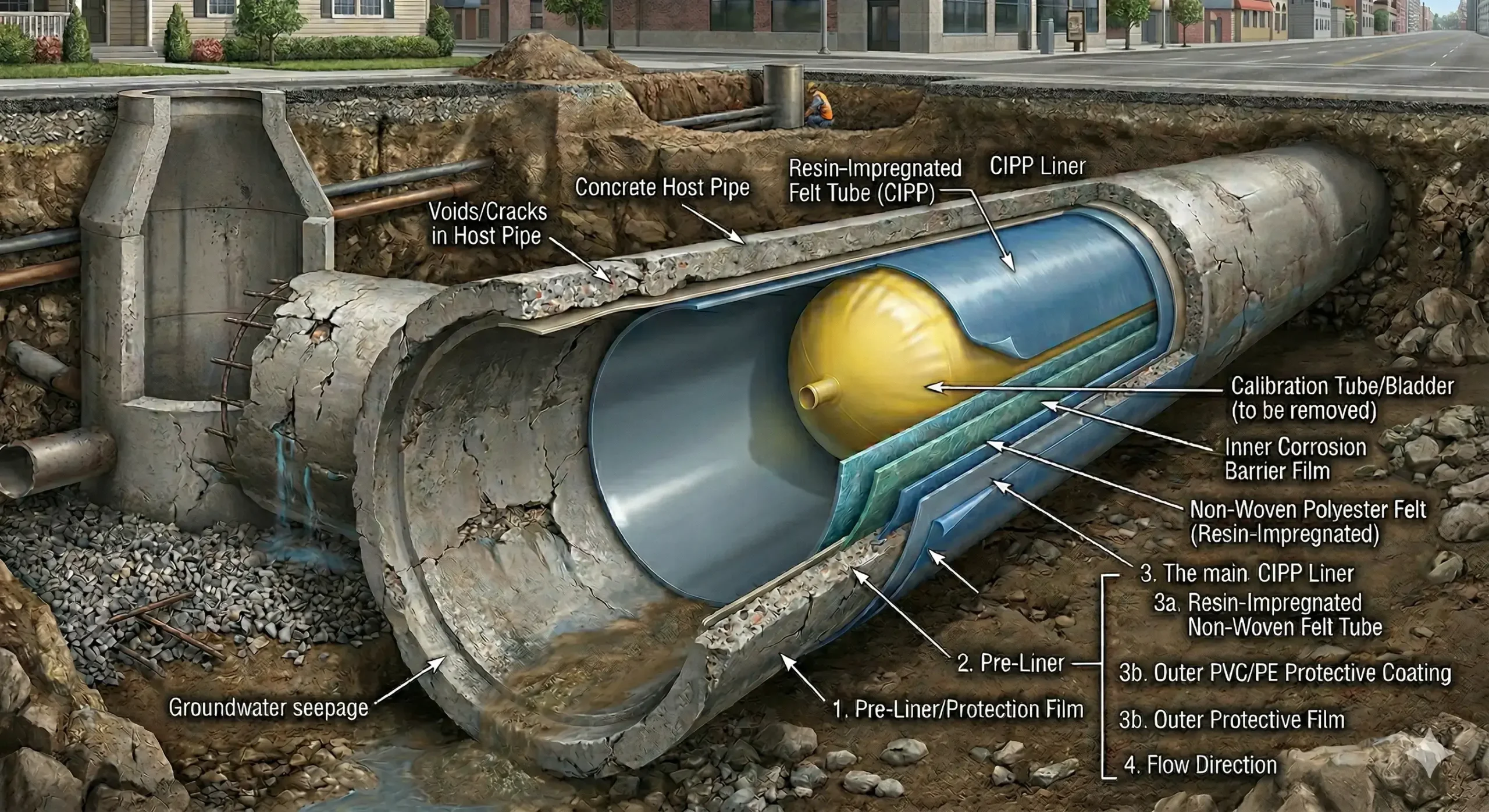
CIPP systems employ thermosetting resins such as epoxy and polyester combined with a flexible textile or felt carrier that conforms to the host pipe. These resins provide mechanical strength and chemical resistance. Curing technologies—steam, hot water, or UV—are applied per material specifications to achieve the required polymerisation and long-term performance, in line with ASTM F1216 standards for pipeline rehabilitation.
How Does CIPP Installation Minimize Property Disruption?
The principal advantage of CIPP is its trenchless execution, which significantly reduces the need for extensive excavation. Conventional repairs frequently require digging yards and roadways, with attendant infrastructure impacts. CIPP installations typically use existing access points, reducing disturbance to landscaping and built assets while shortening project duration and lowering restoration costs.
Which Factors Affect the Lifespan of Pipe Lining in Louisiana?
Multiple variables affect the service life of CIPP systems in Louisiana. The following analysis identifies environmental, geotechnical, and operational factors that influence durability and expected performance.
How Do Louisiana Soil and Environmental Conditions Impact Durability?
Louisiana soils and climatic conditions—specifically high moisture content, expansive clays, and temperature variability—impose mechanical and chemical stressors on pipelines. Clay soils that swell and shrink with moisture cycles can induce external loading on the lining. High ambient humidity and aggressive groundwater chemistries can accelerate material degradation if resins and carriers are not specified for those conditions.
What Maintenance Practices Extend Pipe Lining Longevity?
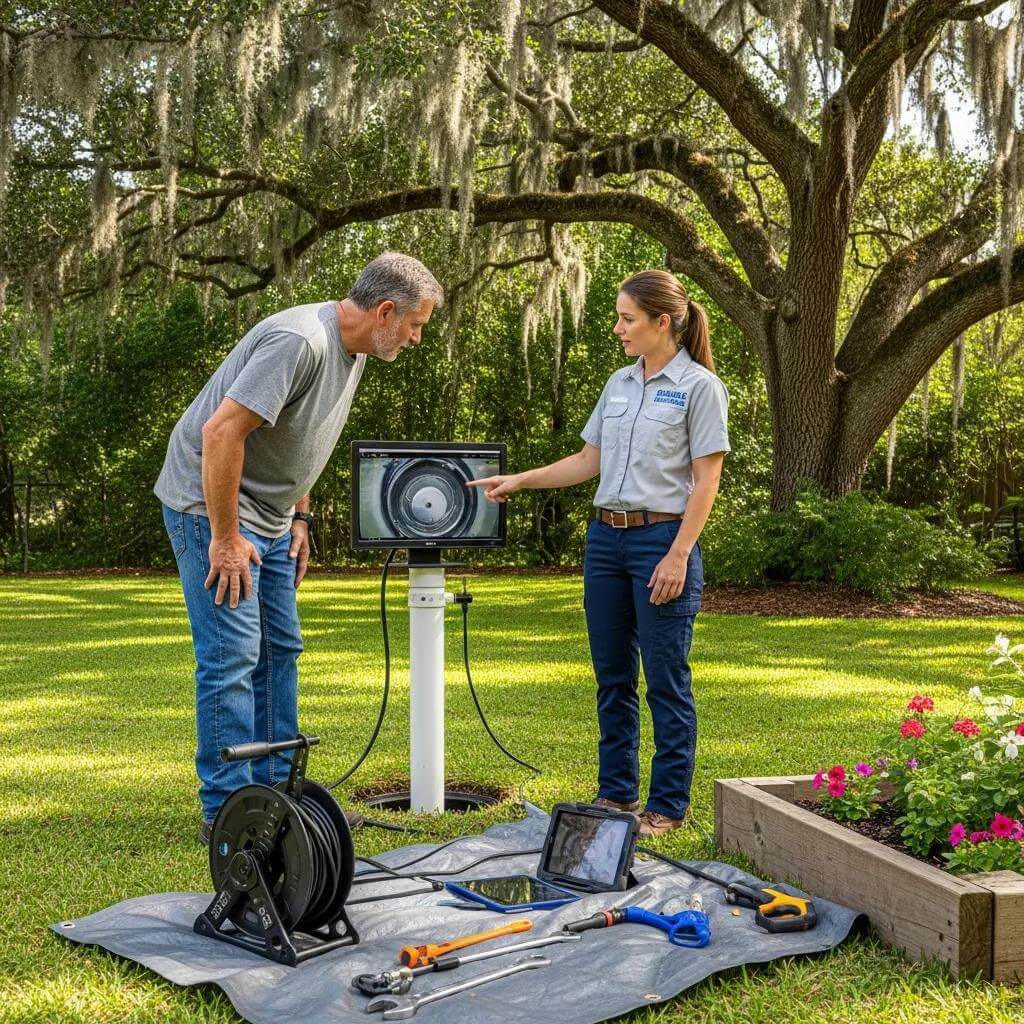
Scheduled maintenance is required to realize the design life of CIPP installations. Owners should perform periodic sewer camera inspections, implement routine cleaning to prevent obstructions, and monitor for indicators of structural or operational deterioration. Proactive maintenance mitigates escalation of defects and sustains lining performance.
How Does Pipe Lining Compare to Traditional Sewer Repair Methods?
A comparative assessment of repair options should consider service life, cost, and operational impact. CIPP reinstates a conduit within the existing pipe and offers distinct advantages relative to open-cut replacement in many circumstances. For a detailed breakdown, see our guide on pipe lining vs. pipe bursting.
What Are the Cost and Time Benefits of Trenchless Sewer Repair?
CIPP commonly reduces labor and material expenditures associated with excavation and reinstatement. The trenchless repair procedure typically requires substantially less time than conventional replacement, reducing project duration and associated disruption. These efficiencies correspond to quantifiable cost savings for property owners.
How Do Warranty Terms Differ Between Pipe Lining and Traditional Repairs?
Warranty provisions for CIPP installations frequently exceed those offered for conventional repairs. Providers may issue warranties ranging from five to fifty years, contingent upon material selection and site-specific conditions. Conventional repair warranties are generally shorter and reflect different material and installation risk profiles.
What Warranty and Service Guarantees Support Pipe Lining Longevity?
Explicit warranty and service guarantee terms are central to risk allocation for CIPP projects. A clear understanding of coverage scope and duration is necessary for asset owners evaluating lifecycle performance and liability.
What Are Typical Warranty Durations for CIPP Pipe Lining?
Warranty durations vary by supplier and product specification. Common offerings include terms between ten and thirty years, with certain high-grade installations warranted for up to fifty years. According to NASSCO pipe rehabilitation performance data, typical coverage addresses defects in materials and workmanship in accordance with the provider’s written terms.
How Does Pelican Underground LLC Ensure Quality and Compliance?
Pelican Underground LLC provides trenchless sewer rehabilitation services in Louisiana and implements documented quality-control procedures and industry-standard practices to ensure installations comply with applicable regulations. Emphasis on quality assurance and regulatory compliance supports the expected performance and longevity of CIPP installations for clients.
Conclusion
An informed assessment of CIPP lifespan and comparative benefits is essential for property owners considering sewer rehabilitation in Louisiana. CIPP reduces surface disruption, offers extended service life relative to many traditional approaches, and can yield cost efficiencies when properly specified and maintained. Selections should be based on material specifications, site conditions, and warranty terms.
Ready to Extend the Life of Your Sewer System?
Trust Pelican Underground LLC for expert CIPP pipe lining services in Louisiana. Our experienced team delivers high-quality, trenchless sewer rehabilitation solutions designed to minimize disruption and maximize durability. Contact us today to schedule a consultation and discover how we can help protect your property with reliable, long-lasting pipe lining.
Frequently Asked Questions
What are the environmental benefits of using CIPP pipe lining?
Cured-in-place pipe (CIPP) lining offers significant environmental advantages over traditional sewer repair methods. By utilizing a trenchless approach, CIPP minimizes surface disruption, reducing the need for extensive excavation that can harm local ecosystems. Additionally, CIPP installations often result in less waste generation, as they rehabilitate existing pipes rather than replacing them entirely. This method also helps prevent leaks and groundwater contamination, contributing to better water quality in the surrounding area.
How does the choice of resin affect CIPP performance?
The type of resin used in CIPP installations plays a crucial role in determining the liner’s performance and longevity. Different resins, such as epoxy and polyester, have varying mechanical properties and chemical resistances. Selecting the appropriate resin based on environmental conditions and expected stressors is essential for maximizing durability. For instance, epoxy resins may offer superior strength and resistance to harsh chemicals, making them suitable for challenging environments, while polyester resins may be more cost-effective for less demanding applications.
Can CIPP be used for all types of pipes?
CIPP technology is versatile and can be applied to various types of pipes, including those made from clay, PVC, and concrete. However, the effectiveness of CIPP may vary depending on the pipe’s condition, diameter, and the specific environmental factors at play. It’s essential to conduct a thorough assessment of the existing infrastructure to determine if CIPP is the most suitable rehabilitation method. In some cases, severely damaged or collapsed pipes may require alternative repair solutions.
What are the common signs that a CIPP installation may need maintenance?
Property owners should be vigilant for signs indicating that a CIPP installation may require maintenance. Common indicators include recurring blockages, unusual odors, or visible leaks at access points. Additionally, if there are noticeable changes in water flow or pressure, it may signal underlying issues. Regular inspections and maintenance can help identify these problems early, ensuring the longevity and effectiveness of the CIPP lining and preventing more extensive repairs in the future.
How does CIPP installation impact local traffic and accessibility?
One of the significant advantages of CIPP installation is its minimal impact on local traffic and accessibility. Since the process is trenchless, it typically requires fewer access points and less surface disruption compared to traditional excavation methods. This means that roads and pathways can remain open, reducing inconvenience for residents and businesses. However, some temporary traffic control measures may still be necessary during the installation process to ensure safety and efficiency.
What should property owners consider when choosing a CIPP contractor?
When selecting a CIPP contractor, property owners should consider several factors to ensure quality and reliability. It’s essential to review the contractor’s experience and expertise in trenchless technologies, as well as their track record with similar projects. Additionally, checking for proper licensing, insurance, and adherence to industry standards is crucial. Requesting references and warranties can also provide insight into the contractor’s commitment to quality and customer satisfaction, helping to make an informed decision.

Owner of Pelican Underground LLC and NASSCO-certified trenchless sewer specialist with expertise in CIPP lining, pipe bursting, and sewer rehabilitation across Louisiana, Mississippi, and Alabama. Licensed contractor by the Louisiana State Licensing Board for Contractors.