
Managing apartment infrastructure includes sewer systems that often need repair. Traditional open-cut methods are disruptive and costly for residents and property operations. Trenchless sewer pipe lining is a no-demolition alternative that rehabilitates lines with far less disruption. This article outlines trenchless lining methods, benefits, costs, and considerations for Louisiana property managers.
No-Demolition Trenchless Sewer Pipe Lining Solutions for Apartment Buildings in Louisiana
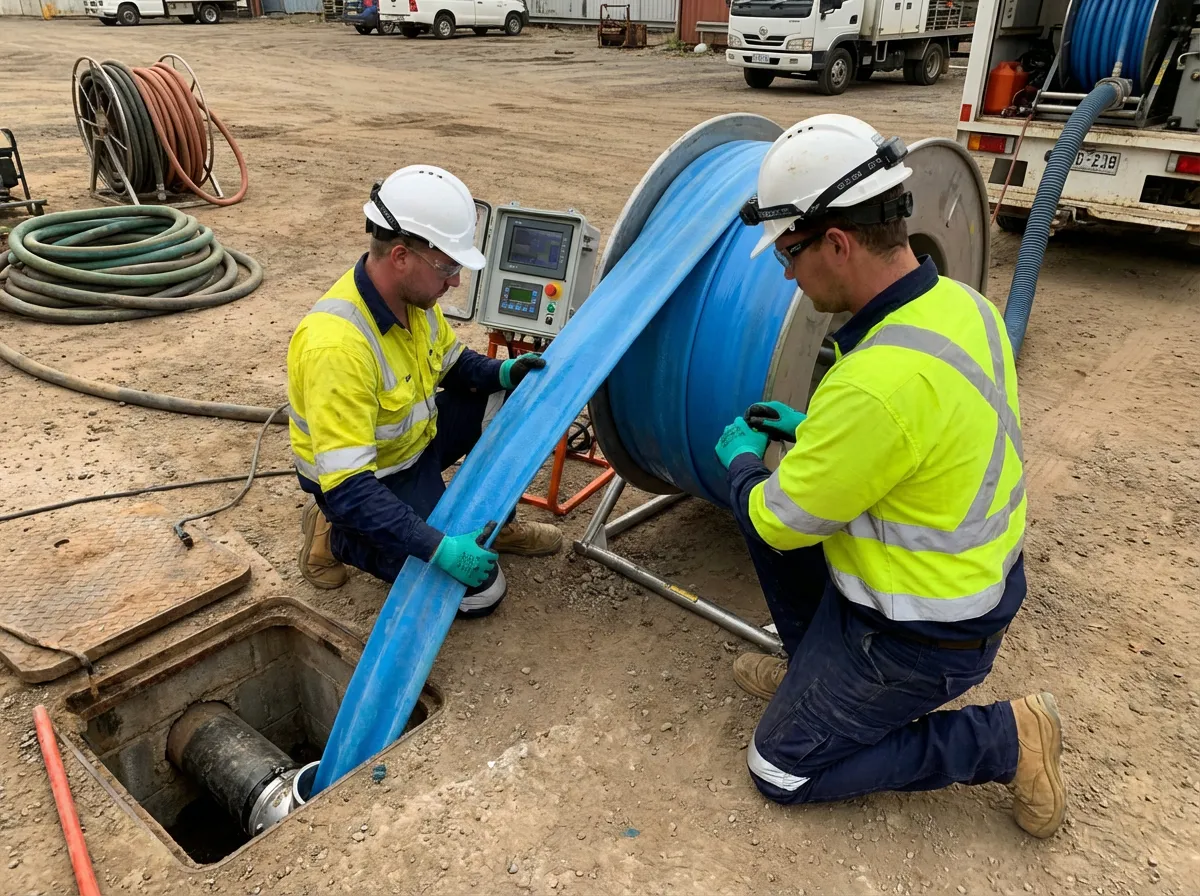
Trenchless pipe lining rehabilitates existing sewer pipes without major excavation, making it well suited for multi-occupancy buildings where minimal disturbance is essential. Using proven trenchless technologies, property managers can restore performance while protecting landscaping and site infrastructure. Common approaches are Cured-In-Place Pipe (CIPP) lining and vertical stack lining, each addressing different failure modes.
Techniques
- Cured-In-Place Pipe (CIPP) Lining: Insert a resin-saturated liner into the existing pipe, inflate and cure it in place to form a new internal pipe. This seals leaks and restores structural integrity without excavation. Learn more about our CIPP lining services for apartment buildings.
- Vertical Stack Lining: Designed for multi-story buildings, this adapts CIPP principles to rehabilitate vertical stacks and address access and alignment challenges unique to vertical piping.
Benefits
Trenchless lining provides operational, financial, and logistical advantages for managers of multi-unit properties.
- Minimal Disruption: The no-dig approach reduces resident disturbance and preserves site features, allowing continued use of facilities during work.
- Cost-Effectiveness: Although initial costs can be higher than simple repairs, savings arise from reduced labor, restoration, and downtime.
- Quick Completion: Many projects finish in hours or days rather than weeks, cutting tenant inconvenience.
Cost Considerations
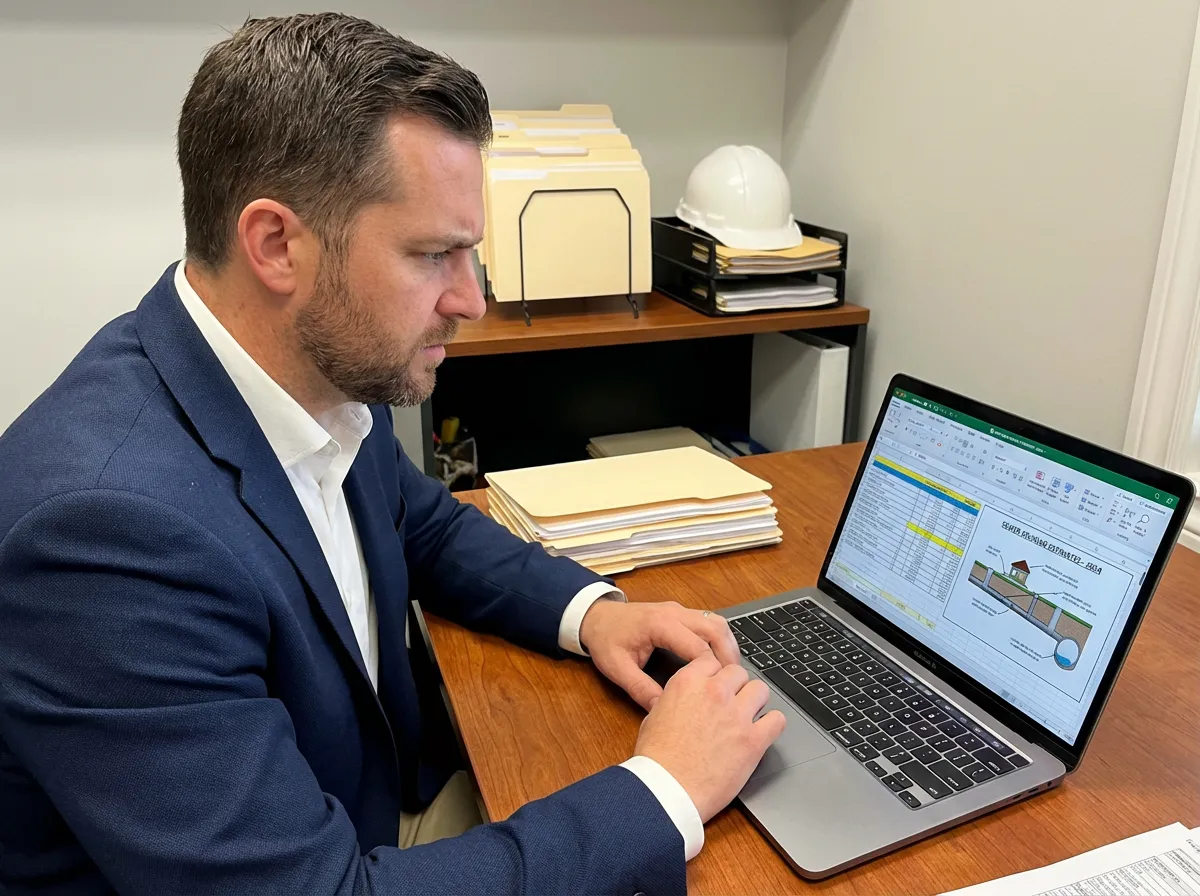
Compare capital and life‑cycle costs when evaluating repairs. Trenchless lining may have higher upfront capital versus open-cut replacement but typically reduces labor, site restoration, and related expenses, delivering lower total costs over the asset life cycle.
A specified cost‑benefit analysis further substantiates the financial viability of sewer rehabilitation as opposed to full replacement.
| Cost Aspect | Traditional Method | Trenchless Method |
|---|---|---|
| Initial Investment | High | Moderate |
| Labor Costs | High | Low |
| Restoration Costs | High | Minimal |
| Long-Term Savings | Low | High |
The table summarises comparative cost elements for traditional and trenchless methods, highlighting potential long‑term savings from trenchless rehabilitation.
What Is Trenchless Sewer Pipe Lining and How Does It Benefit Apartment Buildings?
Trenchless lining inserts and cures a new liner inside the existing pipe to create a durable internal conduit without excavation. For apartment buildings this reduces resident disruption, lowers total project costs, and accelerates completion, supporting ongoing operations.
How Does Trenchless Technology Minimize Property Disruption?
By avoiding extensive digging, trenchless methods limit noise, dust, and access restrictions. Targeted interventions and compact equipment confine work to required segments and preserve landscaping and walkways.
Which Materials and Processes Are Used in Sewer Pipe Rehabilitation?
Typical materials include epoxy resins with felt or fiberglass liners. The process generally follows cleaning, liner insertion, and curing to restore hydraulic capacity and extend service life. For a deeper look at the importance of CIPP and its benefits, industry publications offer detailed technical guidance.
Why Should Louisiana Property Managers Choose No-Dig Sewer Repair?
No‑dig techniques offer practical and regulatory advantages in Louisiana.
- Cost-Effectiveness: Life-cycle savings can offset higher initial costs.
- Environmental Impact: Reduced excavation limits damage to landscaping and habitat.
- Regulatory Compliance: Less invasive options often align with local permitting preferences.
What Are the Cost Savings and ROI of Sewer Pipe Lining?
Trenchless lining can deliver measurable savings through lower labour and restoration costs and longer-lasting repairs. Managers should consider reduced maintenance spend and potential asset-value benefits when assessing ROI.
How Does Trenchless Repair Comply with Environmental and Regional Regulations?
Trenchless techniques minimise ground disturbance, reducing erosion risk and habitat impact. This supports environmental objectives and responsible site management consistent with regional regulations.
How Is Commercial Sewer Pipe Lining Implemented in Louisiana Apartment Complexes?
Implementation follows defined phases to ensure technical and regulatory compliance.
- Initial Assessment: Inspect the system to define defects and scope.
- Preparation: Clean pipes and prepare access for liner insertion.
- Installation: Insert and cure the liner to form the new internal pipe.
- Post-Installation Inspection: Confirm repair integrity and performance.
What Are the Typical Steps in Trenchless Sewer Repair Projects?
Projects follow a standard sequence to ensure quality control.
- Assessment: Evaluate line condition.
- Cleaning: Remove debris and blockages.
- Liner Installation: Place the resin-saturated liner.
- Curing: Cure the liner to form the new pipe.
- Final Inspection: Verify repair integrity.
Can You Provide Case Studies Demonstrating Successful Sewer Pipe Rehabilitation?
Documented case studies show measurable effectiveness: apartment complexes commonly report reduced maintenance costs and improved tenant experience after trenchless interventions, supporting the business case for these technologies.
What Maintenance and Inspection Practices Ensure Longevity of Sewer Pipe Lining?
Longevity depends on scheduled maintenance and routine inspections. Implementing periodic evaluations to detect anomalies early will preserve lining integrity and reduce unplanned interventions.
Which Technologies Are Used for Sewer Line Inspection and Maintenance?
- Camera Inspections: High-resolution sewer camera inspections assess line condition without excavation.
- Hydro Jetting: High-pressure hydro jetting clears blockages and cleans pipes effectively.
- Sonar Technology: Sonar can detect issues not visible by camera inspection.
How Can Property Managers Schedule Regular Sewer System Evaluations?
Contract with specialist providers offering inspection and maintenance programs and establish a documented schedule to support early detection and long‑term reliability.
For more information on effective sewer system management, NASSCO supplies industry resources and standards.
Frequently Asked Questions
What are the main advantages of using trenchless sewer pipe lining over traditional methods?
Trenchless sewer pipe lining offers several advantages over traditional open-cut methods. Primarily, it minimizes disruption to residents and property operations, allowing for continued use of facilities during repairs. Additionally, it is often more cost-effective in the long run, as it reduces labor and restoration costs. The quick completion time of trenchless methods also means less inconvenience for tenants, making it a preferred choice for property managers looking to maintain tenant satisfaction while addressing sewer issues. For a full overview, see our guide on the pros and cons of trenchless sewer repair.
How long does the trenchless sewer pipe lining process typically take?
The duration of the trenchless sewer pipe lining process can vary based on the extent of the damage and the specific techniques used. However, many projects can be completed within a few hours to a couple of days. This quick turnaround is one of the key benefits of trenchless technology, as it significantly reduces the time residents are affected by repair work compared to traditional methods, which can take weeks to complete.
Are there any limitations to trenchless sewer pipe lining?
While trenchless sewer pipe lining is highly effective, it does have some limitations. It may not be suitable for severely damaged pipes that are collapsed or have extensive structural issues. Additionally, the existing pipe must be of a certain diameter and condition to accommodate the liner. Property managers should conduct thorough assessments to determine if trenchless methods are appropriate for their specific sewer issues before proceeding with repairs.
What types of properties can benefit from trenchless sewer pipe lining?
Trenchless sewer pipe lining is particularly beneficial for multi-unit residential properties, such as apartment buildings, where minimizing disruption is crucial. However, it can also be applied to commercial buildings, industrial sites, and even some single-family homes. Essentially, any property with aging or damaged sewer lines can benefit from this no-dig repair method, making it a versatile solution for various property types.
How does trenchless technology impact the environment compared to traditional methods?
Trenchless technology is generally more environmentally friendly than traditional sewer repair methods. By minimizing excavation, it reduces soil disturbance, erosion, and damage to existing landscaping and habitats. This approach also limits the amount of debris and waste generated during the repair process. As a result, trenchless methods align better with environmental regulations and sustainability goals, making them a responsible choice for property managers concerned about their ecological footprint.
What should property managers consider when choosing a trenchless sewer repair service?
When selecting a trenchless sewer repair service, property managers should consider the company’s experience and expertise in trenchless technologies, particularly CIPP and vertical stack lining. It’s also important to review customer testimonials and case studies to gauge the effectiveness of their services. Additionally, ensure that the provider offers comprehensive assessments and follows industry standards for quality and safety. Clear communication about project timelines, costs, and potential disruptions is also essential for a successful partnership.
Choose Pelican Underground for Apartment Building Sewer Pipe Lining
Trenchless sewer pipe lining is an effective strategy for apartment buildings, reducing disruption and delivering cost savings. Techniques such as CIPP and vertical stack lining enable efficient repairs that extend asset life while supporting regulatory and environmental goals. Pelican Underground LLC can assist with technical delivery and project management for portfolio assets. Contact us to discuss your apartment building’s sewer rehabilitation needs.