
Extend the Life of Your Lined Pipes
Proper care for lined pipes keeps them working longer and avoids costly surprises. This guide lays out practical maintenance steps for inspecting, cleaning, and repairing lined systems so you can reduce failures and get the most from your infrastructure. Lined pipes — commonly used in trenchless technology — need targeted attention to preserve their lining and overall function. Below we cover inspection timing, safe cleaning approaches, corrosion controls, repair options, material-specific tips, and how maintenance differs for commercial versus residential settings.
How Often Should Lined Pipes Be Inspected to Prevent Failures?
Scheduled inspections are the best way to catch issues before they become emergencies. How often you inspect depends on the lining material, how the pipe is used, and the surrounding environment.
Recommended Inspection Intervals for Different Pipe Materials
Each lining material has its own inspection cadence. The table below summarizes typical intervals and the main factors that influence them.
PVC: Recommended inspection every 5–7 years. Primary factor — environmental exposure.
CIPP: Recommended inspection every 3–5 years. Primary factor — usage intensity.
Epoxy: Recommended inspection every 5–7 years. Primary factor — chemical exposure.
Regular checks make it easier to spot wear, coating breakdown, or other problems before they escalate.
Advanced Inspection Methods: Camera and Ultrasonic Testing
Modern tools give you detailed, non-invasive views of lined pipes. A professional sewer camera inspection delivers real-time visuals of interior conditions, while ultrasonic testing measures wall thickness and pinpoints weakened areas. Using these methods together improves diagnosis and helps plan targeted maintenance without interrupting service.
Research and field experience both reinforce the value of non-destructive testing for assessing pipeline condition without taking systems offline. A 2024 review of Advanced Non-Destructive Testing Techniques for Pipeline Integrity Assessment covers key approaches including ultrasonic testing, electromagnetic inspection, radiographic testing, acoustic emission testing, and intelligent pigging — all of which can detect corrosion, cracks, and mechanical damage without disrupting pipeline operations.
What Are the Best Cleaning Methods to Maintain Lined Pipes?
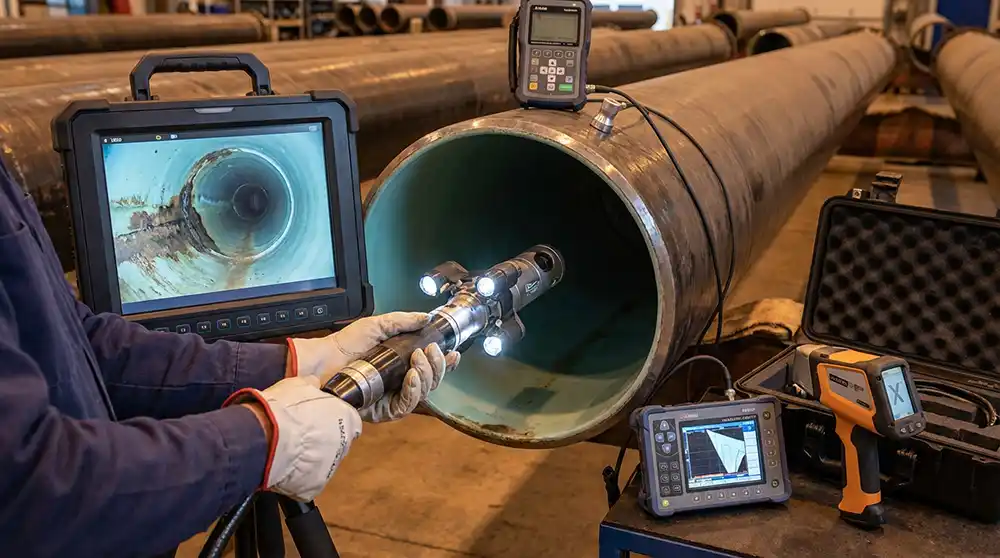
Keeping lined pipes clean prevents blockages and reduces abrasive wear on the lining. Choose cleaning methods that remove deposits while protecting the lining material.
Safe Cleaning Techniques That Protect Pipe Lining Integrity
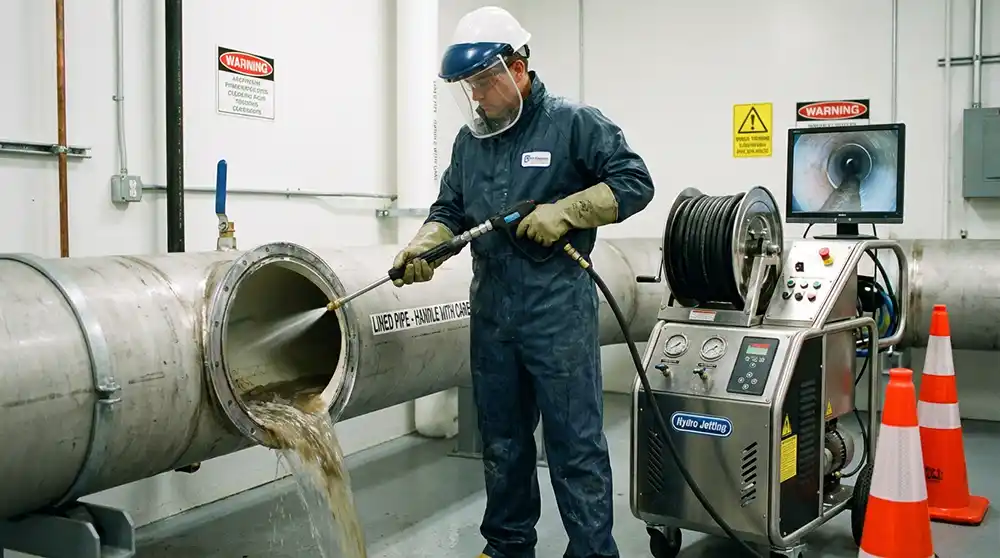
Use proven, lining-friendly cleaning techniques. Hydro jetting uses high-pressure water to clear scale and debris and is safe for most linings when performed by trained operators — learn more about Pelican Underground’s hydro jetting service and when it’s the right choice for your system. Chemical cleaning relies on non-corrosive agents designed for your lining type to dissolve buildup without damaging the coating. Mechanical cleaning uses brushes and tools made specifically for lined pipes to remove stubborn deposits without abrading the liner. These approaches balance effective cleaning with preserving the lining’s integrity.
Frequency and Scheduling of Cleaning Procedures
Cleaning frequency should reflect how the system is used and what it handles. High-traffic or heavy-use lines may need cleaning every 6–12 months; lower-demand systems might be fine at 1–2 year intervals. Build a schedule based on usage patterns and inspection results to keep performance consistent and costs down.
How Can Corrosion Be Prevented in Lined Pipes?
Corrosion undermines both the pipe and its lining, particularly in metal systems. Understanding common corrosion drivers and intervening early will extend service life. According to the Association for Materials Protection and Performance (AMPP), corrosion costs the U.S. infrastructure sector hundreds of billions of dollars annually — most of which is preventable with consistent monitoring and protective measures.
Common Corrosion Agents Affecting Pipe Linings
Moisture causes prolonged water exposure that leads to rust beneath the lining on metal pipes. Chemicals — aggressive or incompatible ones — accelerate lining deterioration and corrosion. Temperature fluctuations produce repeated expansion and contraction that can crack linings and expose metal to corrosive conditions. Spotting these conditions early helps you apply the right preventive measures.
Effective Corrosion Control Strategies and Chemicals
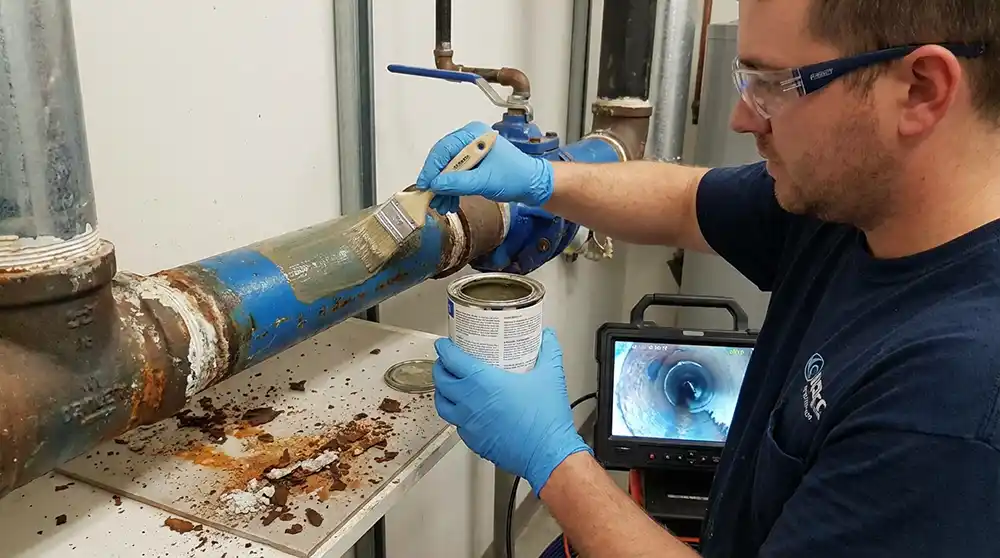
Regular inspections reveal early corrosion signs or lining breaches through frequent monitoring. Protective coatings add corrosion-resistant layers where appropriate to protect metal substrates. Chemical inhibitors in high-risk systems slow corrosion without harming the lining. Applying a combination of these tactics can noticeably reduce corrosion risk and extend service life.
When and How Should Pipe Lining Repairs Be Performed?
Knowing when to repair — and which method to use — minimizes downtime and cost. Early action can prevent localized problems from becoming system-wide failures.
Identifying Signs of Lined Pipe Damage and Failure
Watch for early warning signs. Unusual noises like gurgling or bubbling often point to blockages or air entering the system. Water damage — visible moisture or stains near pipe runs — can indicate leaks. Decreased flow may mean internal buildup or restrictions. Promptly investigating these indicators lets you address issues before they worsen. For a broader overview of what to watch for, see our guide on 10 warning signs your pipes need immediate repair.
Professional Repair Techniques and Rehabilitation Options
When repairs are required, common effective options include CIPP (Cured-In-Place Pipe) lining, where a resin-saturated liner is installed and cured to create a new pipe inside the old one with minimal excavation. Pipe bursting fractures the old pipe while pulling in a new one, replacing damaged runs without full open-cut replacement. Spot repairs provide targeted fixes that address local damage without replacing entire sections. These methods preserve infrastructure, reduce disruption, and restore reliable flow when applied by experienced technicians. The National Association of Sewer Service Companies (NASSCO) sets the industry standards for CIPP and trenchless rehabilitation — their guidelines are the benchmark most reputable contractors follow.
What Are Material-Specific Maintenance Tips for Different Pipe Linings?
Lining type dictates the best maintenance approach. Tailor inspections and cleaning to each material’s strengths and vulnerabilities.
Maintenance Considerations for CIPP and Epoxy Linings
CIPP linings benefit from regular visual inspections and cleaning to prevent blockages and spot early deterioration. Epoxy linings are generally more chemical- and corrosion-resistant, but they still need monitoring for wear, impact damage, or chemical compatibility issues. In both cases, avoid harsh cleaning agents that can degrade the lining and consider protective coatings where appropriate.
Environmental Factors Impacting Lined Pipe Longevity
Environmental conditions — temperature swings, soil chemistry, moisture level, and chemical exposure — influence lining performance. Assess these factors as part of a proactive maintenance plan so you can mitigate risks before they affect service life.
How Do Commercial and Residential Maintenance Needs Differ for Lined Pipes?
Maintenance priorities differ between commercial and residential systems because of usage patterns, traffic, and regulatory demands.
Tailoring Inspection and Cleaning Schedules by Property Type
Commercial systems typically face heavier use and harsher operating conditions, so they need more frequent inspections and cleaning than most residential systems. Set inspection and cleaning cadences based on actual usage and the consequences of failure for the site.
Cost-Effective Maintenance Strategies for Various Applications
Smart, cost-conscious maintenance combines regular inspections, preventive cleaning, and timely repairs. That mix reduces the likelihood of major failures and stretches the useful life of your piping investments.
Conclusion
Consistent, material-appropriate maintenance is the most effective way to maximize the lifespan of lined pipes. Regular inspections, safe cleaning practices, and targeted corrosion controls lower the risk of failures and keep systems reliable. Understand the needs of each lining type and property application, and partner with experienced technicians when repairs are required. If you’re ready to prioritize your piping assets, explore our expert services tailored for lined pipe care.