
Vertical stack pipe lining is an innovative trenchless sewer repair method widely used in Louisiana for apartment and commercial buildings. This technique involves inserting an epoxy-impregnated flexible liner into existing vertical stacks, curing it in place to form a seamless, durable pipe without the need for disruptive excavation. The advantages of vertical stack pipe lining include significant cost savings, minimal disruption to tenants and business operations, enhanced durability, and faster project completion compared to traditional open-cut repairs. Property and facility managers benefit from reduced downtime, lower restoration expenses, and compliance with local building codes, making this approach an optimal solution for maintaining aging infrastructure efficiently and responsibly. Pelican Underground LLC specializes in delivering these trenchless solutions with expert precision and a strong commitment to quality and regulatory adherence.
Trenchless Sewer Repair Solutions for Apartment and Commercial Buildings in New Orleans, Louisiana: Vertical Stack Pipe Lining
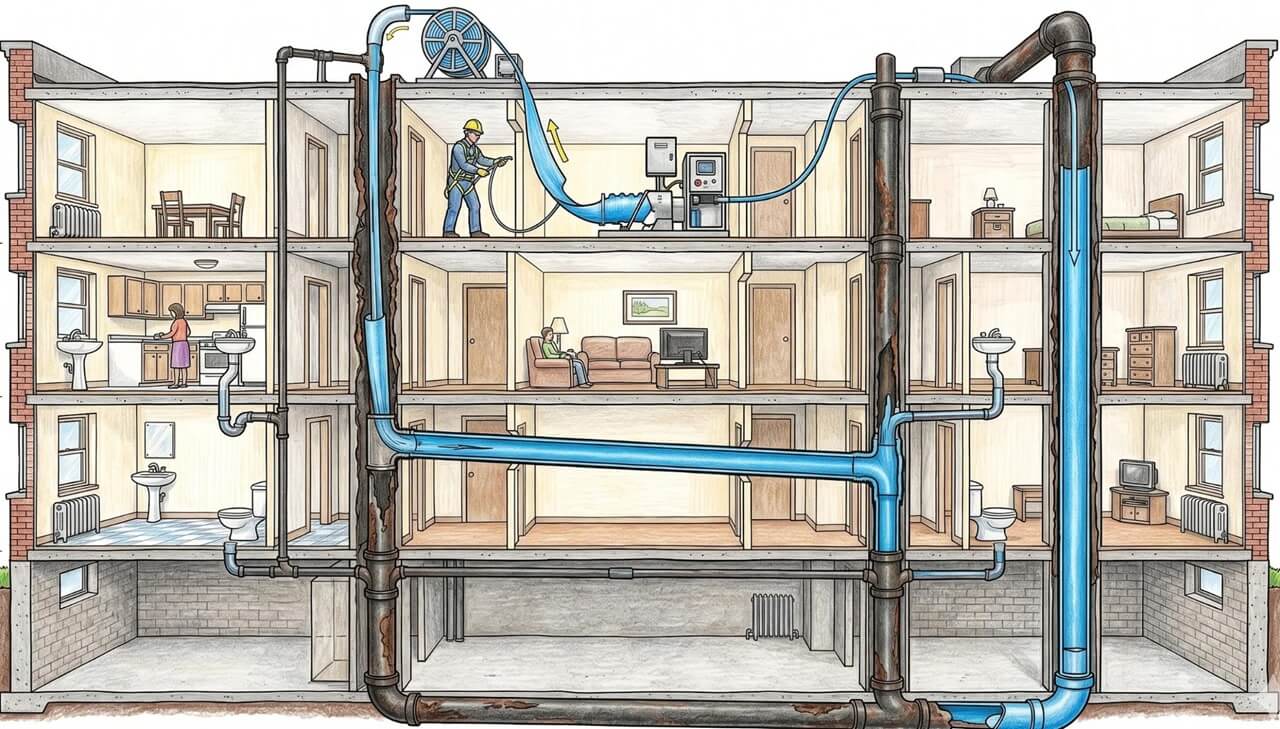
Vertical stack pipe lining involves inserting an epoxy‑impregnated flexible liner into existing vertical stacks; the resin cures in place to create a seamless structural pipe. This method restores pipe integrity and extends service life without major excavation, a critical advantage for property managers facing ageing infrastructure and high replacement costs. Choosing this technology means minimizing operational disruptions and avoiding costly, time-consuming open-cut repairs.
An Overview of Vertical Stack Pipe Lining
The process begins with a detailed sewer camera inspection to assess pipe conditions, followed by mechanical cleaning and surface preparation to ensure optimal adhesion. The liner is then inserted and cured to form a new pipe inside the host pipe. This trenchless method is ideal for urban properties with limited access and where maintaining tenant and business operations is essential.
Service Details
Key procedural steps ensure a compliant, durable repair that meets property management needs:
- Initial Sewer Camera Inspection: Comprehensive documentation of pipe condition to identify defects or blockages, enabling precise repair planning.
- Cleaning and Preparation: Thorough removal of debris and buildup to prepare pipe surfaces for strong liner adhesion, ensuring long-term performance.
- Lining Installation: Careful insertion and positioning of the epoxy‑coated liner, followed by curing to create a seamless, corrosion-resistant pipe within the existing stack.
- Final Inspection: Post-installation camera verification to confirm lining integrity and compliance with industry standards, providing peace of mind to property managers.
Benefits
For apartment and commercial properties, vertical stack pipe lining offers compelling advantages that directly address facility management priorities:
- Minimal Disruption: No large excavations or extensive site disturbance; tenants and businesses experience little to no interruption, preserving occupancy satisfaction and revenue flow.
- Cost-Effectiveness: Significantly lower restoration and labor costs compared to open replacement, helping managers stay within budget without compromising quality.
- Durability: Epoxy liners resist corrosion and chemical attack, providing a long-lasting solution that reduces the frequency and cost of future repairs.
- Speed of Service: Faster installation and curing times minimize downtime, allowing properties to return to full operation quickly.
Pelican Underground LLC leverages specialist trenchless expertise to deliver efficient repairs that reduce downtime and align with property management goals.
Implementation Process
The installation follows a rigorous quality protocol: initial damage assessment, access preparation tailored to site constraints, precise liner fitting and sealing, and final verification by camera inspection to ensure full compliance with relevant standards. The pull-in-place liner method used in vertical stacks is governed by ASTM Standard F1743, ensuring installations meet nationally recognized specifications. This structured approach guarantees reliable results that facility managers can trust.
What Is Vertical Stack Pipe Lining and How Does It
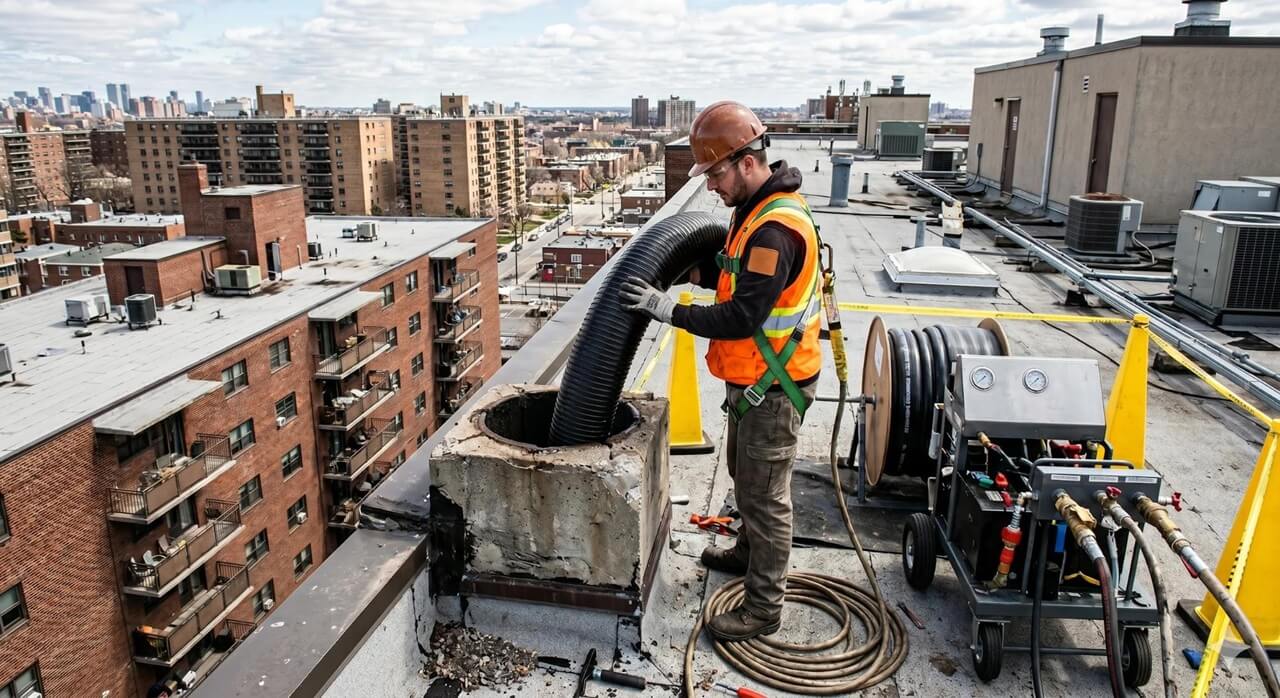
Vertical stack pipe lining rehabilitates sewer stacks in multi‑storey buildings by inserting a flexible, cured liner that forms a new internal pipe. This method avoids disruptive excavation, making it especially suitable in dense urban settings where open‑cut work is impractical or cost-prohibitive. For property managers, this means maintaining building operations and tenant satisfaction while addressing critical infrastructure needs.
Advantages Over Traditional Excavation Methods in Apartment and Commercial Settings
Compared with open‑cut replacement, vertical stack pipe lining offers clear, practical benefits that align with facility management priorities:
- Cost-Effectiveness: Lower direct costs due to reduced excavation, restoration, and labor requirements, enabling better budget control.
- Minimal Disruption: Less noise, dust, and access restrictions, preserving tenant comfort and business continuity.
- Environmental Impact: Reduced disturbance to landscaping and adjacent infrastructure, supporting sustainability goals and community relations.
These factors make vertical stack pipe lining the preferred option for property owners and managers who need to preserve building operations while restoring system function efficiently and responsibly.
How Does Trenchless Sewer Repair Technology Operate in New Orleans?
In New Orleans, trenchless repairs follow a proven workflow: condition assessment, cleaning/preparation, and precise liner installation to achieve a seamless, durable rehabilitation with minimal surface work. This approach aligns with the city’s emphasis on preserving historic and critical areas while upgrading infrastructure.
A documented case study highlights the successful application of trenchless methods within New Orleans’ sewer rehabilitation programme, demonstrating the technology’s effectiveness and suitability for complex urban environments.
Step-by-Step Process of Trenchless Pipe Lining
Property managers benefit from understanding the streamlined sequence of trenchless lining, which supports efficient project planning and communication with stakeholders:
- Initial Inspection: Camera survey to confirm defects and measure conditions, providing a clear basis for repair decisions.
- Cleaning: Removal of scale, roots, and debris to ensure optimal adhesion and liner performance.
- Liner Installation: Precise positioning of the epoxy‑impregnated liner within the host pipe to form a new structural pipe.
- Curing: Controlled hardening of the resin to create a durable, seamless pipe wall.
- Final Inspection: Post‑cure camera check to validate the rehabilitation and confirm compliance with standards.
This efficient methodology minimizes downtime and aligns with technical and regulatory requirements, making it ideal for property management needs.
Materials and Durability Standards for Sewer Pipe Rehabilitation
Materials used in vertical stack pipe lining are selected to meet stringent durability standards. Epoxy liners resist corrosion and withstand the chemical and mechanical stresses typical of sewer environments. Industry guidelines from NASSCO confirm these performance benchmarks for sewer pipe rehabilitation. This durability reduces the likelihood of repeat interventions, extending service intervals and lowering long-term maintenance costs—key considerations for facility managers focused on asset longevity and cost control.
What Are the Cost Considerations and Savings of Vertical Pipe Repair Solutions in Louisiana?
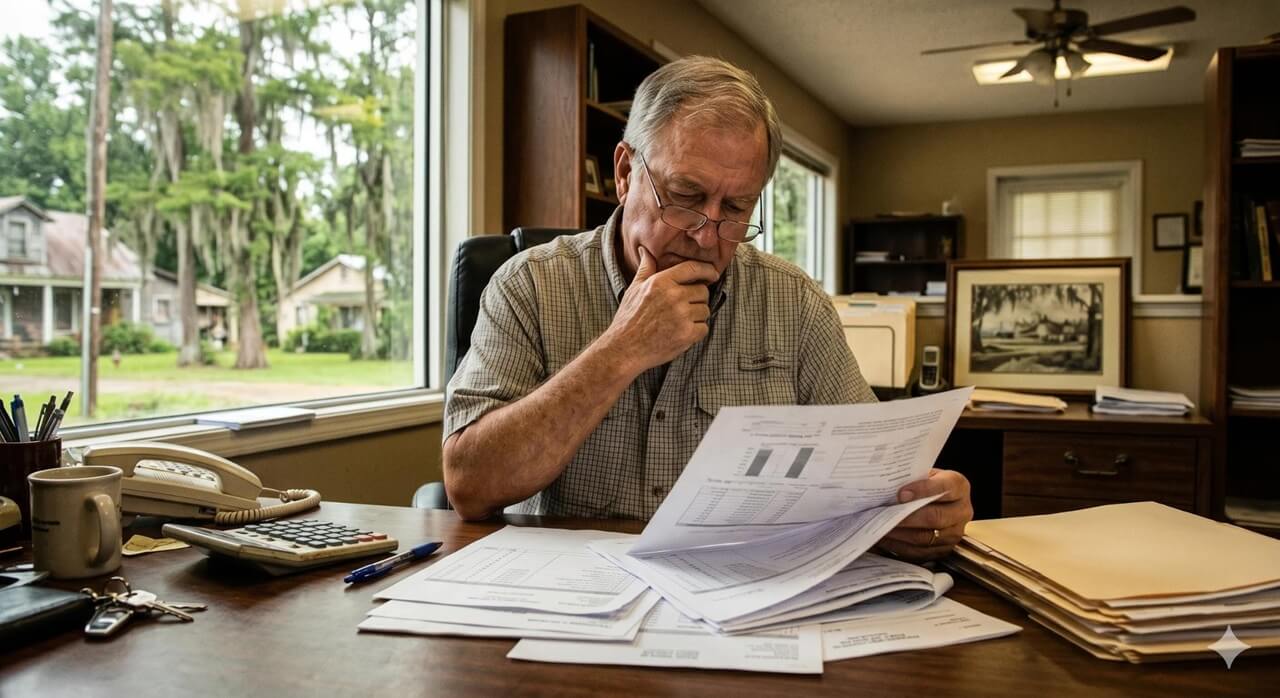
Property managers evaluating pipe repair options should consider that costs vary based on pipe length, diameter, condition, and site access. However, vertical stack pipe lining typically offers significant savings due to reduced labor, excavation, and restoration requirements. These savings can be critical in managing capital expenditures and operational budgets.
Comparative Cost Analysis: Trenchless Lining Versus Conventional Replacement
Studies consistently show that trenchless lining requires lower initial capital outlay because excavation and reinstatement are minimal. Additionally, the extended service life provided by epoxy liners improves life-cycle costs, making vertical stack pipe lining a financially sound investment for property owners and managers.
Supplementary analyses reinforce the financial advantages of rehabilitation over full replacement, especially when considering initial capital expenditure and long-term maintenance.
Factors Influencing Pricing for Apartment and Commercial Sewer Repairs
Understanding pricing drivers helps property managers budget effectively. Key factors include:
- Length and Diameter of the Pipe: Larger or longer runs increase material and labor requirements.
- Condition of the Existing System: Severe defects may necessitate additional cleaning, preparation, or partial replacement work.
- Access Requirements: Restricted access can require specialized equipment and staging, impacting costs.
By evaluating these factors, property managers can make informed decisions and select the most cost-effective repair strategy.
Conclusion
For property managers and facility managers in Louisiana deliberating pipe repair options, vertical stack pipe lining offers a compelling combination of cost savings, minimal disruption, durability, and regulatory compliance. This trenchless rehabilitation method preserves building operations, extends pipe service life, and reduces long-term maintenance costs. Pelican Underground LLC specializes in delivering these benefits with technical expertise and a strong commitment to quality and compliance.
Ready to Upgrade Your Building’s Sewer System in New Orleans?
Contact Pelican Underground LLC today to schedule a consultation and discover how vertical stack pipe lining can save your property time and money while minimizing disruption. Our expert team is here to provide tailored solutions that meet your facility’s unique needs.
Frequently Asked Questions
What types of buildings benefit most from vertical stack pipe lining?
Vertical stack pipe lining is particularly advantageous for multi-storey apartment buildings and commercial properties. These structures often face challenges related to aging sewer systems, where traditional excavation methods can be disruptive and costly. By utilizing trenchless technology, property managers can maintain tenant satisfaction and business operations while effectively addressing critical infrastructure needs. This method is ideal for urban settings where space is limited and minimizing disruption is a priority.
How long does the vertical stack pipe lining process take?
The duration of the vertical stack pipe lining process can vary based on several factors, including the size and condition of the pipes, as well as site accessibility. Generally, the entire process—from initial inspection to final verification—can be completed within a few days. This quick turnaround is one of the key benefits of trenchless technology, allowing properties to resume normal operations with minimal downtime, which is crucial for both tenant satisfaction and business continuity.
Are there any maintenance requirements after the installation of a liner?
After the installation of a vertical stack pipe liner, maintenance requirements are significantly reduced compared to traditional sewer systems. However, regular inspections are recommended to monitor the condition of the liner and ensure optimal performance. Property managers should schedule periodic camera inspections to identify any potential issues early on. This proactive approach helps extend the life of the liner and maintain the overall health of the sewer system, ultimately saving on future repair costs.
What are the environmental benefits of using trenchless technology?
Trenchless technology, including vertical stack pipe lining, offers several environmental benefits. By minimizing excavation, this method reduces soil disruption, preserves landscaping, and limits the impact on surrounding infrastructure. Additionally, the use of durable epoxy liners decreases the likelihood of leaks and contamination, contributing to better water quality. This environmentally friendly approach aligns with sustainability goals and helps maintain community relations, making it a responsible choice for property managers.
Can vertical stack pipe lining be used for all types of pipe materials?
Vertical stack pipe lining is compatible with various pipe materials, including clay, PVC, and cast iron. The flexibility of the epoxy-impregnated liner allows it to conform to the existing pipe’s shape and size, effectively sealing cracks and restoring structural integrity. However, the condition of the existing pipes is crucial; severely damaged or collapsed pipes may require additional repairs before lining can be successfully applied. A thorough inspection will determine the best course of action for each specific case.
What should property managers consider when choosing a trenchless service provider?
When selecting a trenchless service provider for vertical stack pipe lining, property managers should consider several factors. Look for a company with extensive experience in trenchless technology and a proven track record of successful projects. Verify their compliance with local regulations and industry standards. Additionally, assess their customer service and support, as effective communication is vital throughout the project. Finally, request references or case studies to gauge their reliability and quality of work.