
In Louisiana, stormwater discharges are regulated under the Louisiana Pollutant Discharge Elimination System (LPDES), administered by LDEQ under EPA delegation. Three categories require permit coverage: construction sites disturbing 1 acre or more, certain industrial facilities, and municipalities that operate a separate storm sewer system (an MS4). Each comes with its own permit, its own documentation requirements, and its own consequences for falling out of compliance — here’s what applies to you.
Who Actually Needs a Stormwater Permit in Louisiana
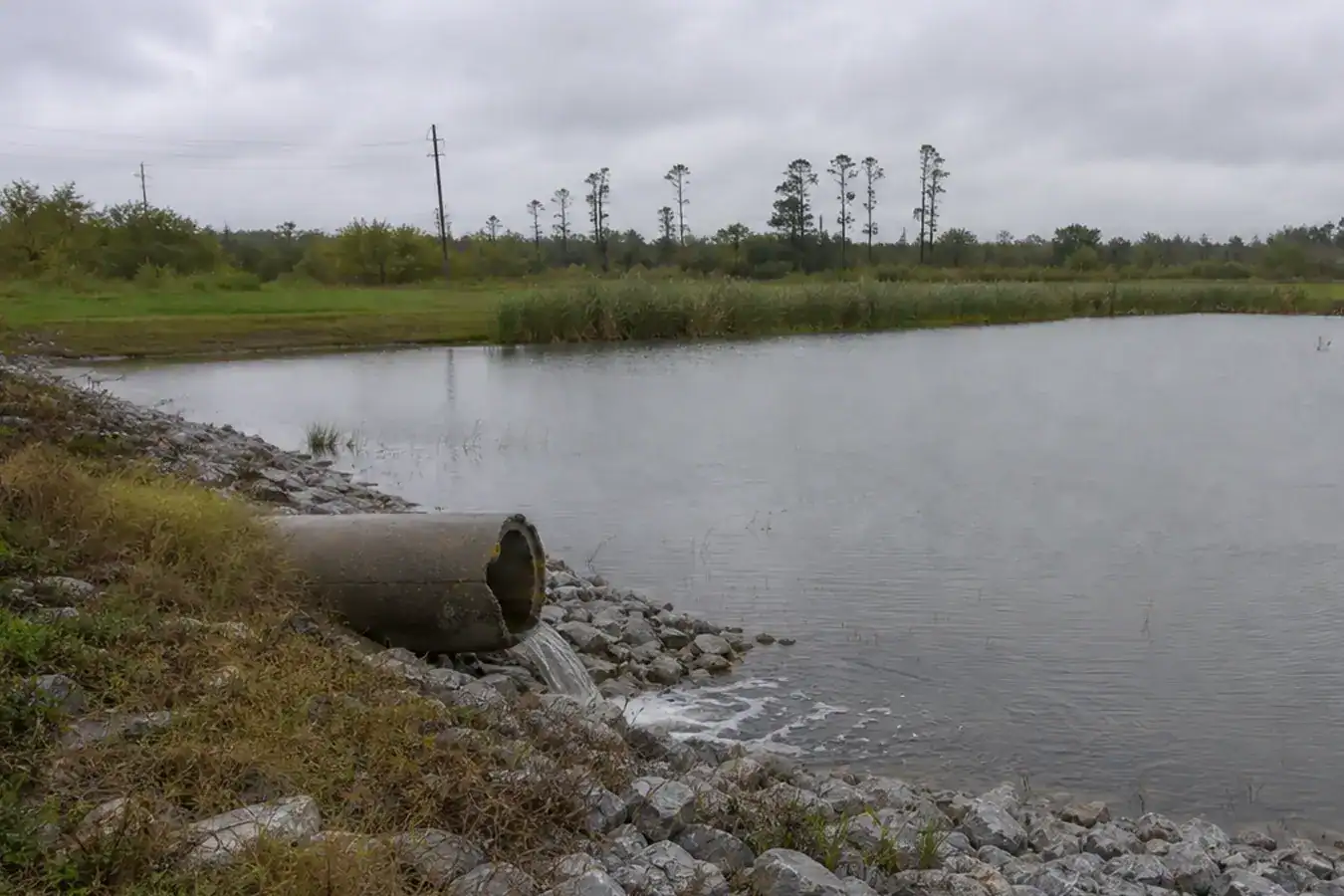
Not every property or project needs a permit — but more do than most owners assume. If you’re disturbing an acre or more of land during construction (even as part of a larger phased project), operating an industrial facility with stormwater exposed to certain activities, or running a municipal drainage system, LDEQ’s water permits program almost certainly applies to you. Most Louisiana stormwater permits fall under general permits rather than individual ones — meaning the process is largely self-implemented rather than requiring a lengthy site-specific application.
The Three LPDES Stormwater Permit Categories
Each permit type has a different trigger and a different core requirement.
| Permit Type | Who Needs It | Key Requirement |
|---|---|---|
| Construction General Permit (LAR100000) | Land disturbance of 1 acre or more (including phased projects that are part of a larger common plan) | Site-specific SWPPP + self-inspections |
| Multi-Sector General Permit (LAR050000) | Industrial facilities with stormwater exposed to specific activities | Facility-specific SWPPP covering listed BMPs |
| MS4 Permit (Phase I or Phase II) | Municipalities operating a separate storm sewer system | Storm Water Management Plan (SWMP) + annual report to LDEQ |
What “self-implementing” actually means: for construction and industrial permits, there’s no LDEQ pre-approval of your specific plan — you develop and follow your own Storm Water Pollution Prevention Plan (SWPPP) and conduct your own inspections. That also means the burden of proof, if LDEQ ever audits or investigates a complaint, is entirely on your documentation.
What a SWPPP Actually Has to Include
A Storm Water Pollution Prevention Plan documents the specific Best Management Practices (BMPs) your site uses to control stormwater pollution, plus a self-inspection schedule. LDEQ provides a blank Construction General Permit SWPPP template as a starting point, though using it isn’t mandatory as long as your own plan meets the same requirements. One detail that trips up a lot of property owners: your SWPPP has to be actively maintained, not just filed once. Louisiana’s construction general permit specifically requires amendments within 7 calendar days whenever there’s a change in design, construction, operation, or maintenance that could affect stormwater discharge.
Municipal Obligations: MS4 Permits Go Further
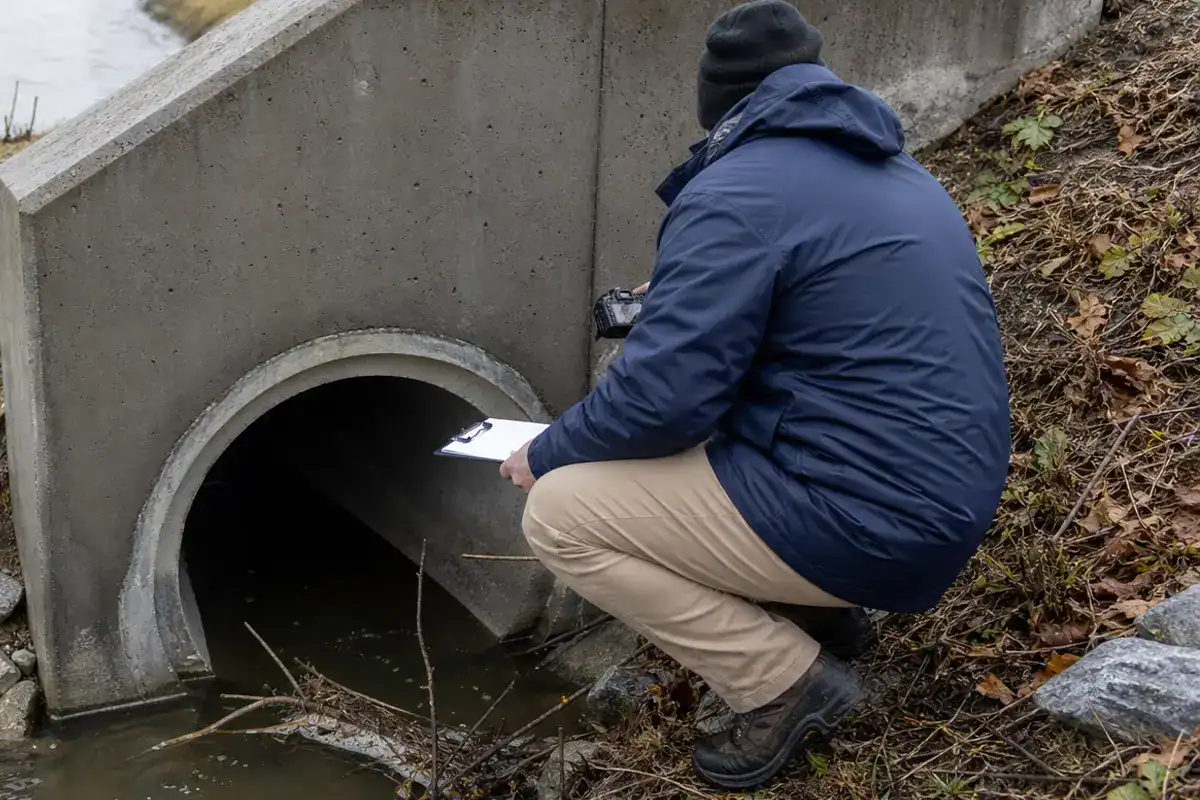
Municipalities operating an MS4 face a different, more involved standard than private construction or industrial sites. Rather than a one-time SWPPP, a regulated MS4 maintains an ongoing Storm Water Management Plan (SWMP) and submits an annual report to LDEQ documenting inspections, public education efforts, and any program changes made during the year. Louisiana’s Phase I MS4s (larger systems) and Phase II MS4s (smaller systems, generally under 100,000 population) both fall under this framework, though Phase I permits are typically individual rather than general. For municipalities managing aging drainage infrastructure alongside these reporting obligations, municipal sewer and stormwater line repair that comes with proper condition documentation directly supports the annual reporting process.
What Happens If You’re Out of Compliance
Enforcement can range from a required corrective action plan to civil penalties, depending on severity and whether the issue is a documentation gap or an actual unpermitted discharge. For construction sites specifically, an incomplete or outdated SWPPP — even without an actual spill or discharge event — is itself a compliance finding during an LDEQ inspection. The self-implementing nature of these permits means many violations are documentation failures rather than pollution events: a missing inspection log, an unamended SWPPP after a site change, or a lapsed permit renewal.
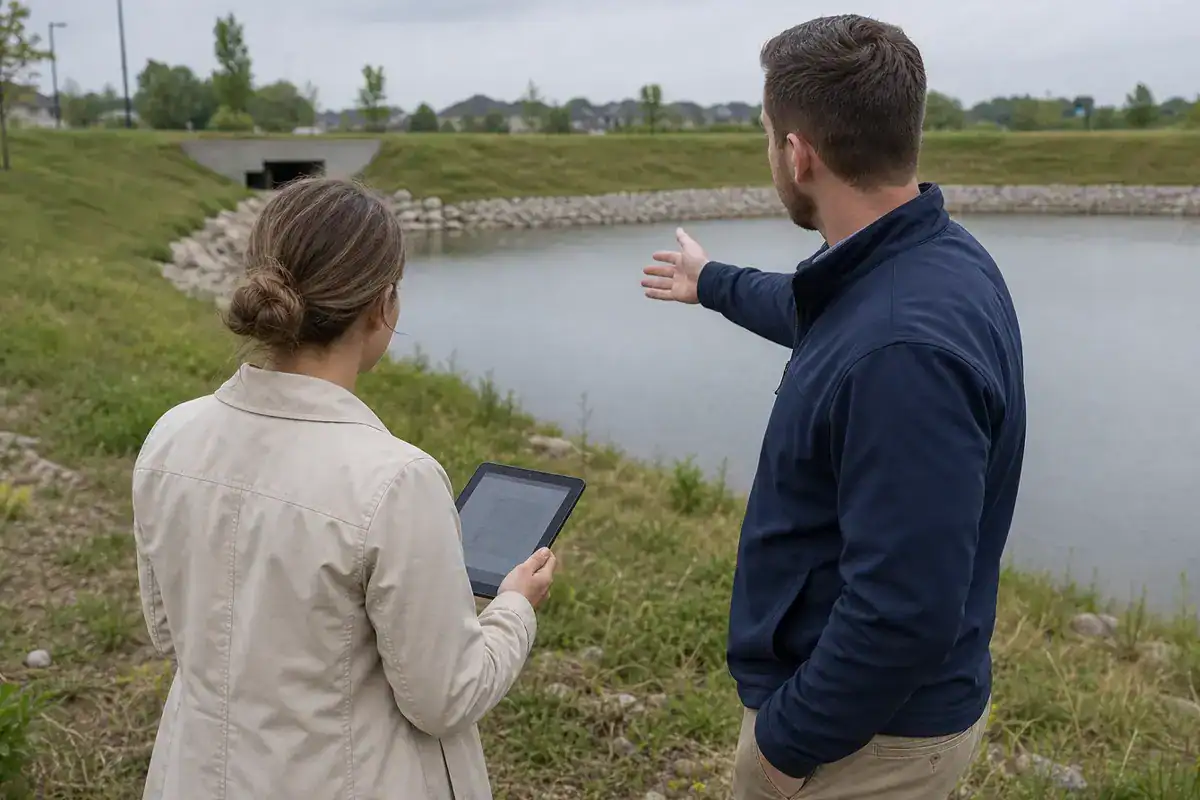
Property Owners vs. Municipalities: Different Obligations, Same Underlying Need
Whether you’re a commercial property owner managing a Construction General Permit or a parish managing an MS4 program, the underlying need is the same: documented, current condition information about your stormwater infrastructure. A stormwater system inspection and repair program that keeps drainage infrastructure functioning also generates the inspection records that both types of permits require — which is often the difference between a routine annual report and a compliance finding.
Frequently Asked Questions
Do I need a stormwater permit for a small construction project in Louisiana?
If your project disturbs less than 1 acre and isn’t part of a larger common plan of development that totals 1 acre or more, you generally don’t need Construction General Permit coverage. However, local parish or city ordinances may have separate, stricter requirements worth checking.
What’s the difference between a Phase I and Phase II MS4?
Phase I covers large and medium municipal separate storm sewer systems (generally serving populations over 100,000), typically under individual permits. Phase II covers smaller regulated MS4s under general permit coverage, with somewhat less extensive reporting requirements.
How often does a SWPPP need to be updated?
Louisiana’s construction general permit requires SWPPP amendments within 7 calendar days of any change in design, construction, operation, or maintenance that could affect stormwater discharge — not on a fixed annual schedule, but continuously as conditions change.
Can LDEQ inspect my property without an active complaint?
Yes. LDEQ conducts routine compliance inspections for both Phase I and Phase II MS4s, and can inspect construction and industrial sites under general permits as part of its standard enforcement program, independent of any specific complaint.
Stormwater compliance in Louisiana comes down to knowing which of the three permit categories applies to you, keeping your SWPPP or SWMP current rather than filed and forgotten, and maintaining the inspection records that prove it. The infrastructure work and the paperwork are more connected than most property owners and municipal staff realize.
Pelican Underground: Stormwater Support for Louisiana Property Owners & Municipalities
Pelican Underground inspects, documents, and repairs stormwater infrastructure for both private property owners and municipal clients across Louisiana — the same condition assessments that support SWPPP records and annual MS4 reporting.
Contact us today for a stormwater system assessment that supports your compliance documentation.
| Not sure where your property or parish stands on compliance?
Pelican Underground provides stormwater system inspection, documentation, and repair services for property owners and municipalities across Louisiana. Schedule a Stormwater System Assessment | (504) 387-9909 |