
Quick Answer: After a sewer backup from flooding in Louisiana, act fast: shut off electricity from a dry location, avoid contact with the wastewater, and don’t flush toilets or run water until the line is confirmed intact, since forcing water through a damaged line can push backflow into your home. Document the damage, then call a licensed specialist for a camera inspection. Pelican Underground LLC diagnoses blockages or line damage and repairs most backups with trenchless methods like CIPP lining, avoiding full excavation.
What Are the Key Takeaways?
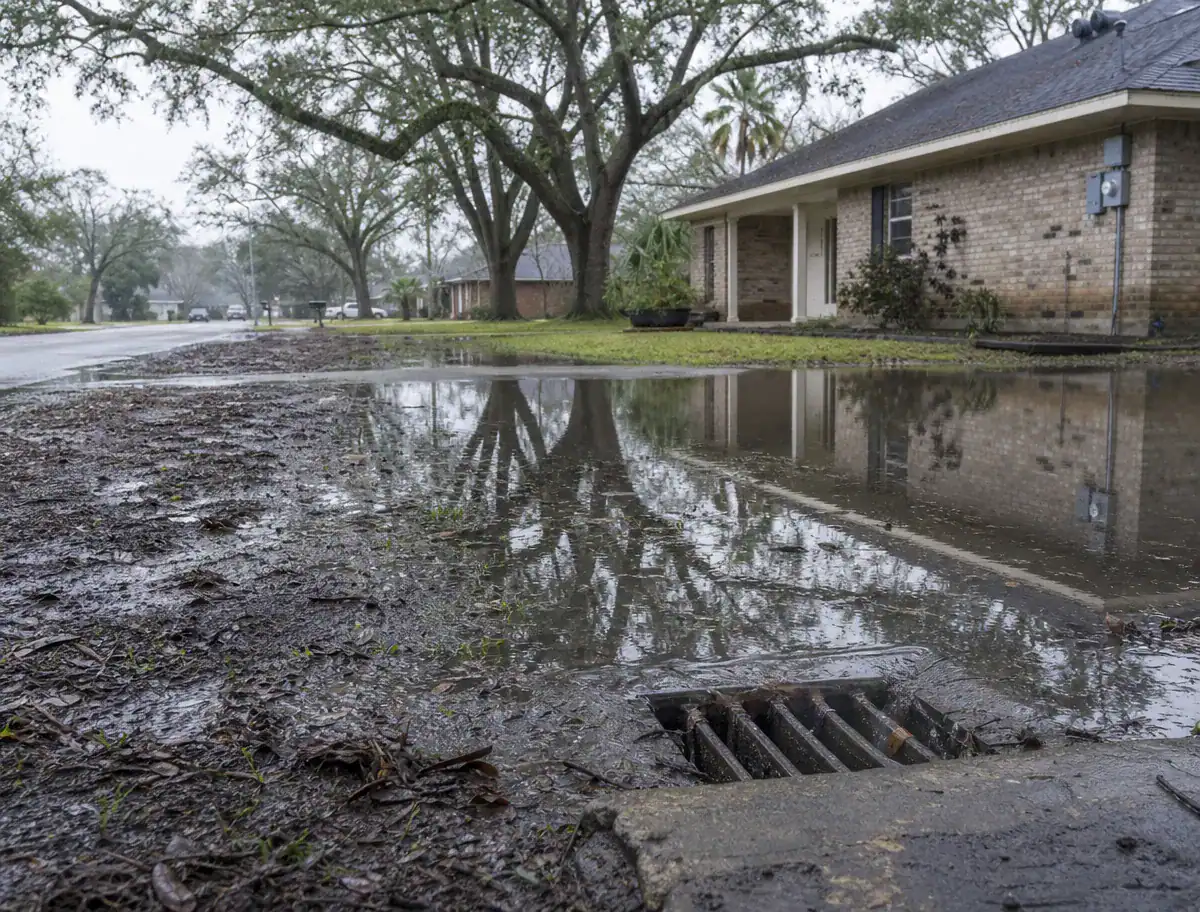
- Heavy rainfall overwhelms sewer systems across Louisiana, forcing waste-water into basements during storms.
- Sewer backups can deposit varying amounts of contaminated water in residential properties during heavy rainfall events.
- Existing pipe damage increases backup risk; immediate inspection prevents costly flood damage.
- Contact Pelican Underground LLC immediately after backup detection to assess and repair damage.
What Should You Know Before Starting Cleanup?
Cleanup after a sewage backup demands a clear-eyed assessment before any wet-vac or mop touches the floor. Heavy rainfall regularly overwhelms sewer systems across Louisiana, exposing weak points in aging pipe networks and raising the odds of backups and basement flooding. Property owners facing what to do after a sewer backup following a flood in Louisiana must first identify what caused the intrusion and what it left behind, not simply how to remove the water.
Homes with pre-existing plumbing weaknesses face greater exposure once a storm arrives. Aging cast-iron lines, root intrusion, and partially clogged drains all reduce a system’s capacity to handle sudden volume. We treat this vulnerability assessment as a required first step. It shapes every decision that follows, from ventilation to material disposal.
Is Sewer Backup Water Dangerous?
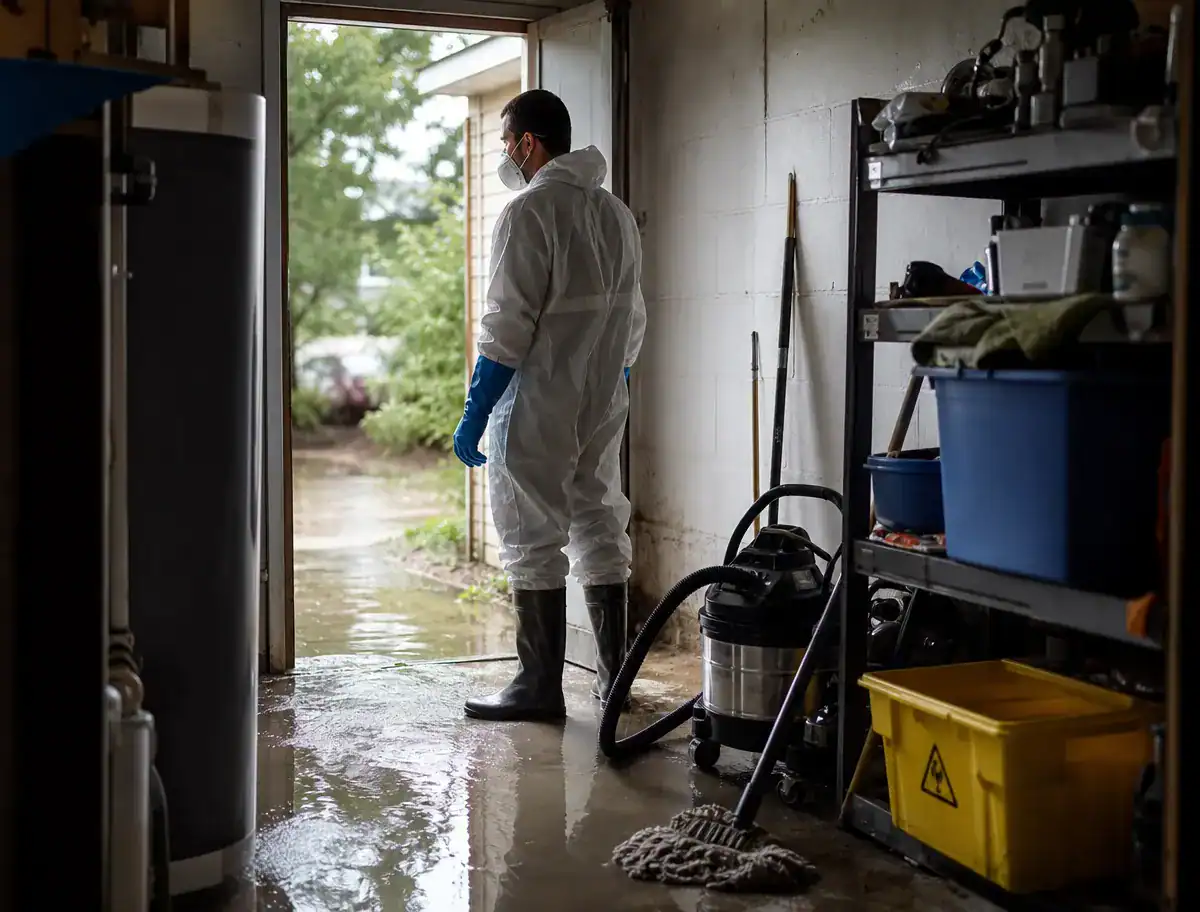
Sewer backup water carries contaminants that ordinary floodwater does not. Unlike rainwater pooling from a roof leak, backup water often contains raw sewage, bacteria, and chemical residue. We advise against treating it as a routine cleanup task; protective equipment and controlled disposal are warranted before entry. The Louisiana Department of Health’s floodwater safety guidance confirms this risk and recommends professional-grade precautions before any contact.
Does a Backup Always Mean a Broken Sewer Line?
Not necessarily. Many Louisiana backups originate from an overloaded municipal system rather than a failure on the property itself. When the public line is the source, the repair scope — and cost — is often far smaller than homeowners initially fear.
Before beginning any cleanup, we recommend confirming the following:
- Whether floodwater or sewage entered the structure
- Whether existing plumbing showed prior symptoms, such as slow drains or recurring clogs
- Whether the backup coincided with a broader neighborhood or municipal event
How Do You Stop the Danger First?
Safety takes priority over property the moment floodwater enters a Louisiana home. We advise halting all contact with standing water until electrical hazards are ruled out and the source of contamination is identified.
Never step into a flooded room where live electrical current might be present. Serious injury or death can result from wading into water carrying an active charge. We instruct property owners to shut off power at the breaker box from a dry location before doing anything else. This single step matters more than any cleanup task that follows.
Sewer backup after flood Louisiana conditions often develop fast during our state’s intense rain events. Public drain systems across Louisiana parishes can become overwhelmed within hours, leaving homeowners with inches or even feet of wastewater pooled in garages, ground floors, and lower levels. We treat every backup as a contamination event until proven otherwise, since sewage carries pathogens that plain floodwater does not.
Why Do Sewer Backups Happen More Often Now?
Sudden downpours trigger backups with far greater frequency than they once did across Louisiana. Development pressure plays a direct role: vacant land converted to housing and grassy lots paved into parking areas both alter how quickly rainfall reaches the drain system. Combined with shifting weather patterns, these changes push aging infrastructure past its intended capacity during peak storms.
What Should We Check Before Re-Entering?
We check for these conditions before allowing anyone back into an affected space, consistent with the CDC’s safety guidelines for reentering a flooded home:
- Breaker box shut off and confirmed dead
- No visible arcing, sparking, or submerged outlets
- Standing water below knee height with a clear exit path
- Ventilation available to reduce fume buildup
- No toilets, sinks, or washing machines in use until the sewer line is confirmed intact — running water through a damaged line can force backflow back into the home
Once those conditions are met, cleanup and inspection can proceed safely.
🚨 Dealing with a sewer backup right now? Pelican Underground LLC provides emergency sewer service and camera inspections across Louisiana. Request emergency service and we’ll get a crew diagnosing the problem fast.
What Are the Steps to Clean Up Sewer Backup?
Cleanup after a sewer backup follows a defined sequence: assess exposure, remove contaminated materials, sanitize surfaces, and restore the affected structure. Louisiana’s rainy season brings recurring flood risk. Homeowners across the state face this exact scenario when storm systems overwhelm drainage capacity. Skipping steps or rushing the process invites mold growth and structural damage that costs far more than doing the work correctly the first time. We outline the process below for property owners determining what to do sewer backup after flood Louisiana conditions demand.
- Shut off electricity to affected areas. Standing water and live circuits create serious hazards; do not enter a flooded space until power is confirmed off.
- Avoid contact with backup water. Treat it as contaminated until proven otherwise.
- Photograph all damage before removing anything, for insurance and repair documentation.
- Remove standing water and saturated materials. Carpeting, drywall, and insulation that absorb sewage-contaminated water typically require disposal, not drying — the EPA’s guidance on flood cleanup and indoor air quality explains why materials that stay wet more than 48 hours should be discarded rather than dried.
- Sanitize all affected surfaces. Professional remediation crews sanitize floors, walls, and fixtures after a sewage flood, following protective-equipment practices similar to the CDC’s guidelines for cleaning safely after a disaster, a step that precedes any repair or rebuilding work.
- Inspect the underlying pipe. Once surfaces are clean, we examine the sewer line itself to locate the failure causing the backup.
Why Does My Property Keep Backing Up After Storms?
Properties near recently paved lots or newly developed land face elevated backup risk once rainfall intensifies. Grading changes and reduced ground absorption send more water toward existing pipe systems than those systems were built to handle. We recommend property owners near new construction or resurfaced land monitor their drains closely during heavy rain events.
Pelican Underground LLC delivers sewer and drain services engineered to protect Louisiana properties while resolving the underlying pipe issue driving repeat backups. Our team serves flood-affected homeowners throughout the state, diagnosing root causes rather than treating symptoms alone.
How Do You Restore Your Sewer Line After Flooding?
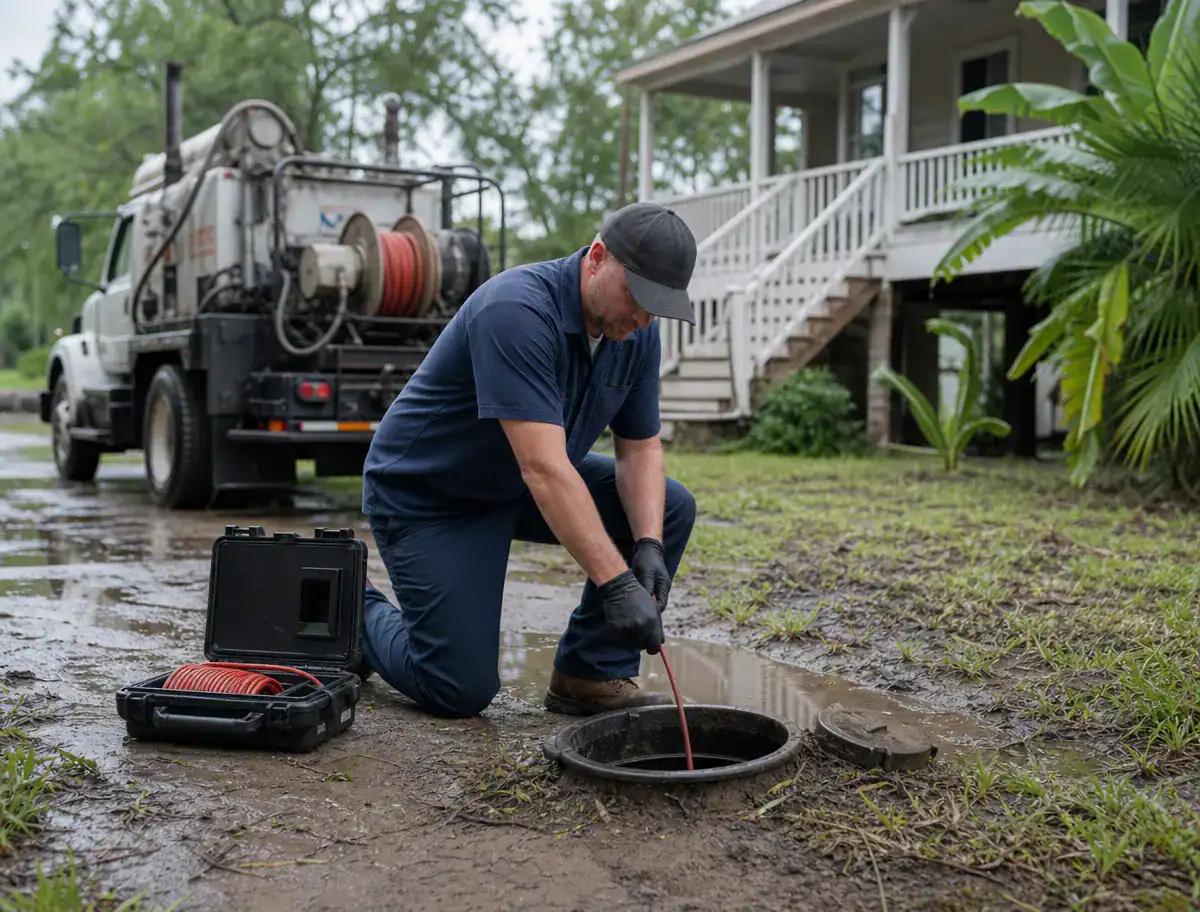
Restoring a flooded sewer line starts with a trenchless assessment, not a shovel. Pelican Underground operates as Louisiana’s premier provider of trenchless sewer repair services, applying non-invasive methods to the underground infrastructure damage that storm surge and heavy rainfall leave behind. Our New Orleans, LA-based crews travel throughout Louisiana to respond when pipelines fail after severe weather.
A sewer backup after flood conditions in Louisiana should follow a defined sequence rather than guessing at the source of the problem. We recommend the following steps once floodwater recedes:
- Shut off water service to the affected structure before inspecting any drain or fixture.
- Avoid contact with backed-up water, since it may carry sewage and contaminants.
- Contact a licensed trenchless specialist to schedule a sewer camera inspection of the line.
- Allow the inspection to identify cracks, root intrusion, or collapsed sections before any repair begins.
- Review trenchless repair options, including CIPP pipe lining or point repairs, rather than defaulting to full excavation.
We apply decades of experience and current lining technology to sewer and drain failures across Louisiana and neighboring Gulf Coast states. That combination lets us pinpoint damage precisely and restore a pipeline without tearing up a yard, driveway, or foundation slab.
Why Do Louisiana Sewer Lines Fail After Heavy Rain?
Rapid, intense rainfall forces local sewer systems to process a large volume of water within a short window. Lines already weakened by age, root intrusion, or prior clogs strain further under that sudden load. Floodwater compounds the damage directly: silt, sand, and debris get forced into cracked joints and open connections, scouring pipe walls from the inside and occasionally collapsing sections that were already compromised. Failures often surface only after the storm passes. Louisiana’s humid climate and frequent tropical systems make this strain a recurring risk rather than an isolated event.
Homeowners who address early warning signs — slow drains, gurgling fixtures, or recurring dampness — reduce the odds of a full backup during the next major storm. We treat every inspection as the first step toward a documented, code-compliant repair plan built around Louisiana’s flood patterns.
What Mistakes Should You Avoid After a Backup?
Three missteps compound damage after a Louisiana sewer backup hits a home or business. We outline them below, along with the corrective action we recommend for each.
Is It Safe to Assume the Mess Is Gone Once the Water Recedes?
No. Assuming that time alone removes contamination left on flooring is a serious error. Waste-water residue does not vanish on its own; it requires a documented professional assessment to confirm the surface is safe. We advise property owners to treat any exposed material as contaminated until an inspection says otherwise.
Should We Wait on Insurance Before Starting Cleanup?
Waiting on insurance negotiations before beginning remediation is a costly delay. When settlement talks stall for months, damaged materials sit unresolved, and low indoor humidity during winter heating season only accelerates deterioration. The American Red Cross’s disaster cleanup guidance recommends documenting conditions immediately and pursuing repair options in parallel with any claims process, not after it concludes.
A third mistake involves the cause itself. Failing to identify what triggered the flood — paved-over land, expanding development, or shifting storm patterns overwhelming the system — invites repeat incidents. Avoid these three errors:
- Skipping a formal contamination assessment.
- Letting remediation wait on insurance timelines.
- Ignoring the underlying cause of the overload.
Frequently Asked Questions
What is the first step after a sewer backup during a Louisiana flood?
Shut off electricity at the breaker box from a dry location before anything else. Live current in standing water poses serious injury risk. Avoid contact with wastewater and document damage before starting cleanup.
Is sewer backup water safe to clean up without precautions?
No, sewer backup water contains raw sewage, bacteria, and chemical residue unlike ordinary floodwater. Protective equipment and controlled disposal are necessary before entering affected areas.
What does Pelican Underground LLC do after a sewer backup is detected?
Pelican Underground LLC performs sewer camera inspections to locate blockages or line damage, then uses trenchless repair methods like CIPP lining to restore function without excavation.
Is it safe to flush toilets or run water before the sewer line is inspected?
No. Running water or flushing toilets before a damaged line is inspected can force wastewater back into the home instead of down the line. The EPA’s guidance on sanitary sewer overflows explains why overloaded or damaged lines back up under added flow. Hold off on all plumbing use until a licensed specialist confirms the line is intact.
How does flooding damage a sewer lateral?
Floodwater often pushes silt, sand, and debris into cracked or open pipe joints, scouring the interior walls and sometimes causing weakened sections to collapse outright. A camera inspection is the only reliable way to see this damage before it causes a repeat backup.
TL;DR — Sewer Backup After a Flood in Louisiana at a Glance
- Shut off electricity at the breaker box before entering any flooded area.
- Avoid contact with backup water and don’t flush toilets or run water until the line is confirmed intact.
- Photograph all damage for insurance before cleanup begins.
- A professional camera inspection identifies blockages, cracks, or collapsed sections before repair.
- Trenchless methods like CIPP lining and point repairs fix most Louisiana sewer lines without excavation.
- Ready to get eyes on the problem? Schedule a sewer camera inspection with Pelican Underground LLC today.
Related Resources
- Hydro-Jetting Services for Louisiana Sewer Lines
- Sewer & Drain Services in Baton Rouge, LA
- Why You Need a Sewer Camera Inspection
- Pros and Cons of Trenchless Sewer Repair
- Does Homeowners Insurance Cover Sewer Line Repair?
- Signs Your Main Sewer Line Is Clogged
Get a Free Camera Inspection & Emergency Sewer Service Quote
In closing, prompt action following a sewer backup after flooding protects your property, prevents health hazards, and restores system functionality. Professional inspection and trenchless rehabilitation address root causes without extensive excavation, minimizing disruption to your home or business. By engaging licensed specialists equipped with advanced diagnostic technology, you secure durable, code-compliant repairs that safeguard your infrastructure and community for years to come.
Ready to get started? Contact Pelican Underground LLC today for a free camera inspection and emergency sewer service quote.
About Pelican Underground LLC
Pelican Underground LLC is Louisiana’s trenchless sewer and drain specialist, serving homeowners, businesses, and municipalities across New Orleans, Baton Rouge, Lafayette, and the greater Gulf South with sewer camera inspections, hydro-jetting, CIPP lining, and emergency sewer repair. Every inspection and repair is performed by licensed, experienced crews focused on lasting, code-compliant results.