
Cured-in-place pipe (CIPP) lining is a modern, trenchless way to repair cast iron sewer lines—especially valuable in New Orleans, where older infrastructure and tight neighborhoods make full excavations disruptive and costly. This method rebuilds the pipe from the inside, avoiding major digs and keeping landscaping and street access intact. Below, we explain the main advantages of CIPP, the common cast iron pipe problems it addresses, and the step-by-step process so homeowners and businesses can choose the right repair option for their property. Learn when trenchless repairs are the smarter, less invasive choice and what to expect from start to finish.
CIPP lining is widely used as a trenchless approach that restores pipe strength and function without excavation.
CIPP: Restore Pipeline Integrity Without Digging
Cured-in-place pipe (CIPP) lining is a trenchless rehabilitation technique used across pipeline engineering to rebuild existing pipes from within, avoiding large-scale excavation while restoring structural integrity.
Use of Trenchless Technology for Stormwater Pipe Rehabilitation, A. Tabesh, 2024
The benefits of using cured-in-place pipe (CIPP) lining for cast iron sewer repair in New Orleans include:
CIPP lining brings practical advantages for cast iron sewer repair, making it a common choice for property owners in New Orleans who want reliable results with less disruption.
- No Digging Required: Because the lining is installed from inside the pipe, yards, driveways, and sidewalks stay intact—no trenches, no major landscaping restoration.
- Minimal Disruption: The process is far less invasive than open-cut methods, so repairs are quicker and household or business routines are less affected.
- Cost-Effective Solution: By reducing excavation, labor, and restoration work, CIPP lining often lowers the overall repair bill compared with traditional methods.
Those benefits make CIPP an appealing option for many New Orleans properties facing sewer issues.
What Are the Common Problems with Cast Iron Sewer Pipes in New Orleans?
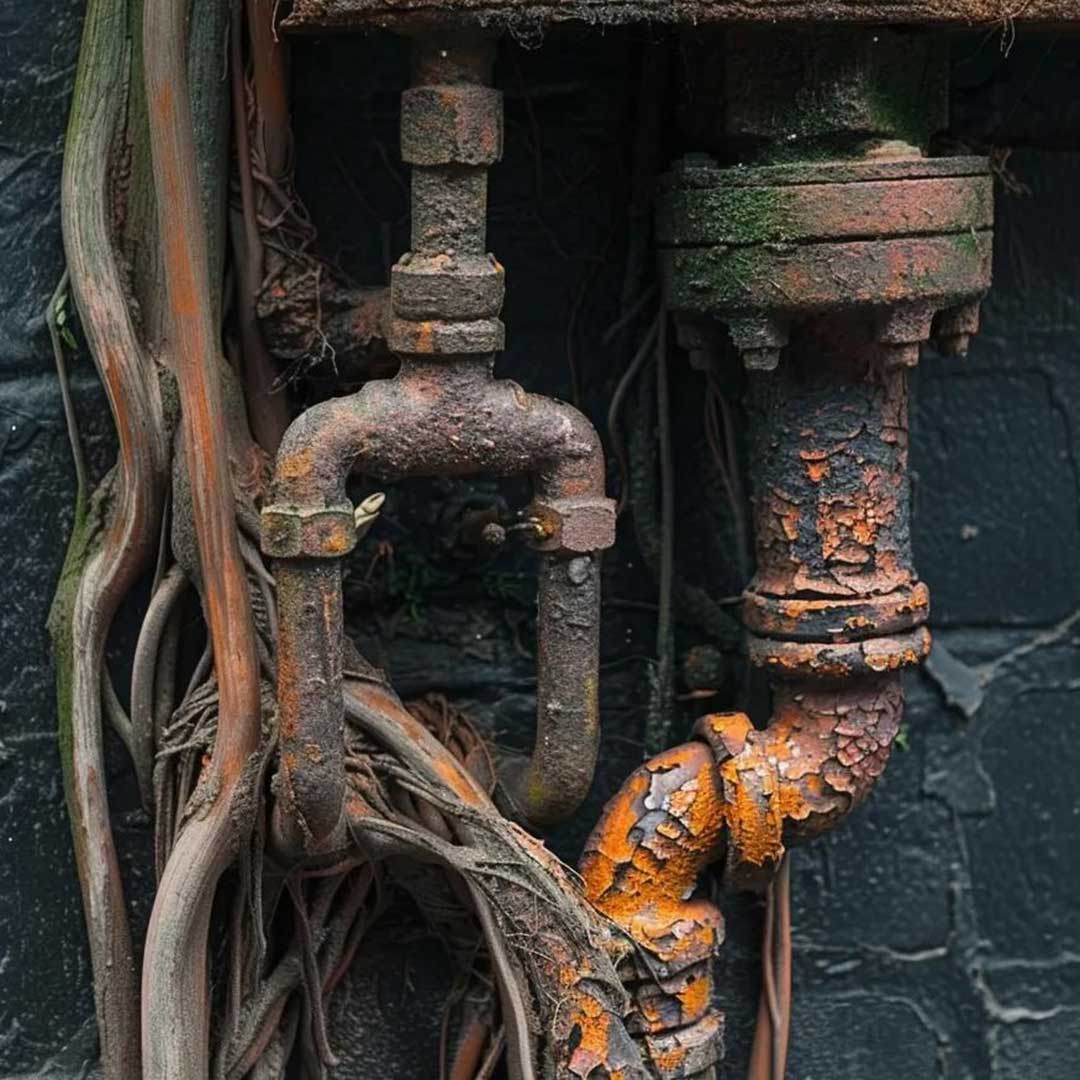
Cast iron sewer pipes are strong but vulnerable over decades in a humid, flood-prone climate. Typical problems include:
- Corrosion Due to Moisture: Prolonged exposure to moisture leads to rust and material loss, weakening pipe walls.
- Tree Root Infiltration: Roots seek moisture and can penetrate joints, causing blockages and structural damage.
- Frequent Backups: Narrowing from corrosion and buildup can trigger recurring clogs and slow drainage.
Recognizing these issues early helps owners plan effective repairs rather than waiting for emergencies.
How Does Corrosion Affect Cast Iron Sewer Pipes?
Corrosion undermines a pipe’s function and longevity in several ways.
- Deterioration and Scaling: Corrosion promotes scale and deposits that reduce flow capacity and strain the system.
- Cracks and Leaks: As material thins and joints fail, leaks and fractures become more likely, increasing repair complexity and cost.
- Costly Emergency Repairs: Left unchecked, corrosion can lead to sudden failures that require urgent—and expensive—intervention.
Addressing corrosion early with targeted rehabilitation can prevent larger failures later.
Why Is Sewer Pipe Rehabilitation Necessary for New Orleans Properties?
Rehabilitation keeps systems working safely and reliably in a region where older pipes face ongoing wear and environmental strain.
- Aging Infrastructure: Many local sewer systems were installed decades ago and need modern repair approaches to remain serviceable.
- Corroded Cast Iron Pipes: Aging cast iron is especially prone to deterioration and benefits from lining or replacement.
- Emergency Repairs Due to Flooding: Heavy rains and flooding can expose or worsen existing defects, creating urgent repair needs.
Rehabilitation restores capacity and reduces the chance of disruptive failures.
How Does Trenchless Sewer Repair Technology Work in New Orleans?
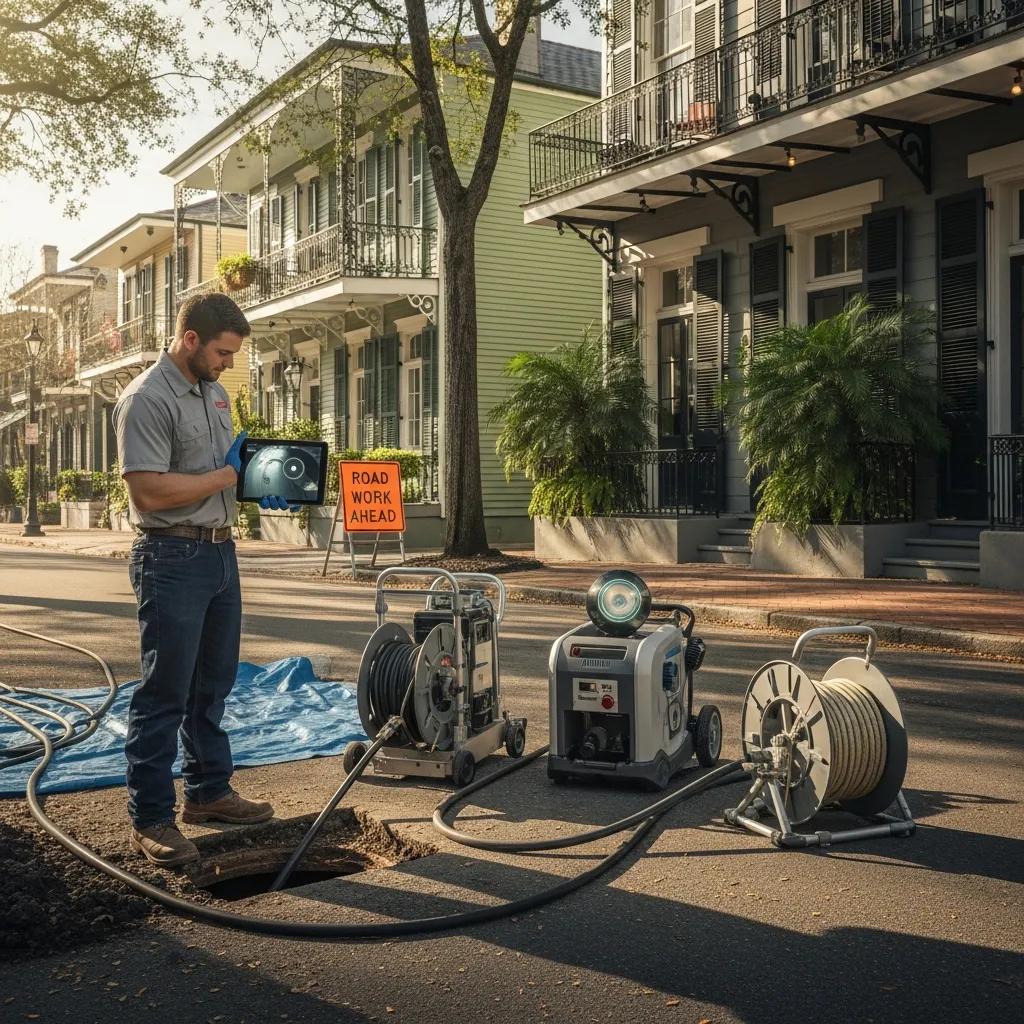
Trenchless sewer repair—including trenchless pipe repair like CIPP—involves focused steps that limit disruption while fixing the pipe from the inside.
- Initial Inspection: A video camera runs through the line to locate damage, blockages, and defects so the repair can be scoped accurately.
- Cleaning the Sewer Line: High-pressure water or mechanical cleaning removes roots, grease, and debris so the liner can bond properly.
- Repair Method Selection: Based on the inspection, technicians choose the trenchless method—such as CIPP—that best fits the pipe condition and access constraints.
These steps let crews repair pipes efficiently without tearing up yards or streets.
What Is the Step-by-Step Process of Cured-In-Place Pipe Lining?
The typical CIPP lining workflow includes the following stages:
- Initial Inspection: A camera survey documents the pipe’s condition and pinpoints the repair area.
- Pipe Cleaning: High-pressure water jetting clears the interior of debris, buildup, and roots.
- Liner Insertion: A flexible fabric tube saturated with epoxy resin is positioned inside the damaged pipe.
- Curing the Pipe: The liner is cured—commonly with hot water or UV light—hardening the resin into a seamless new pipe within the old one.
This sequence restores structural integrity and flow without open excavation.
How Does Trenchless Technology Minimize Property Disruption?
Trenchless methods reduce the footprint of repairs and speed up completion.
- Minimal Landscaping Disturbance: With no large trenches, lawns, gardens, and hardscapes remain largely untouched.
- Faster Completion: Trenchless repairs are typically faster than full dig-and-replace projects, so properties return to normal sooner.
- Less Invasive Methods: The overall repair process is gentler on the property and on daily routines, which matters in tight urban settings.
That smaller footprint is a major advantage in built-up neighborhoods and commercial areas.
What Are the Benefits of Using Cured-In-Place Pipe Lining for Sewer Repair?
CIPP lining delivers practical advantages that make it a strong choice for many repair scenarios.
- Minimal Disruption: Lining installs from access points, avoiding large-scale excavation and messy restoration.
- Cost-Effectiveness: By cutting restoration and labor costs, CIPP often offers better value than full replacement.
- Durability: Modern lining materials provide a long-lasting inner pipe that resists corrosion and wear.
For many property owners, those benefits translate to lower lifetime cost and less hassle.
How Does Pipe Lining Extend Sewer Pipe Lifespan?
Pipe lining renews and protects the existing pipeline so it serves reliably for years after the repair.
- Sealing and Reinforcing Pipes: The cured liner seals cracks and reinforces the structural integrity of the existing pipe.
- Materials Used: High-quality epoxy and fabric systems resist corrosion and abrasion, improving longevity.
- Regular Maintenance: Routine inspections and maintenance of lined pipes extend service life and prevent unexpected failures.
Investing in lining can reduce the frequency and cost of future repairs.
What Cost Savings and Warranty Options Are Available?
CIPP lining typically offers notable cost advantages and warranty options for peace of mind.
- Cost Savings of Approximately 50%: In many cases, trenchless lining reduces total repair and restoration costs compared with full excavation and replacement.
- Warranty Details: Reputable contractors commonly provide warranties on materials and workmanship to protect your investment.
- Long-Term Benefits: Durable materials and fewer future interventions mean lower lifetime maintenance costs.
These financial benefits often make CIPP the economical, long-term choice for sewer rehabilitation.
How Do Commercial and Residential Sewer Repair Solutions Differ in New Orleans?
Commercial and residential projects vary in scale and requirements, so solutions are tailored accordingly. For large-scale work in the region, explore our commercial pipe lining in New Orleans services.
- Scale and Complexity: Commercial systems are typically larger and may require more extensive planning and equipment.
- Technology and Methods: Specific trenchless methods and materials are chosen based on pipe size, flow needs, and usage patterns.
- Regulatory Compliance: Commercial repairs may need additional permitting and inspections to meet local codes.
Matching the approach to the property type ensures a reliable outcome that meets operational needs.
What Are the Unique Needs of Homeowners Versus Businesses?
Homeowners and businesses prioritize different aspects when planning sewer repairs. Homeowners looking for low-disruption options can learn more about our residential pipe lining services.
- Preventive Maintenance: Homeowners often focus on scheduled maintenance to avoid interruptions and costly emergencies.
- Emergency Services: Businesses may require rapid-response repairs to minimize downtime and protect operations.
- Cost-Effectiveness: Both sectors seek value, though businesses may have stricter timelines or compliance needs.
Understanding these differences helps contractors deliver solutions that fit each client’s daily operations and budget.
How Do Pipe Lining Contractors Tailor Services for Each Sector?
Experienced contractors adapt methods and schedules to the specific demands of residential and commercial work.
- Thorough Inspections: Detailed camera surveys and assessments guide the right repair strategy for each property.
- Adaptation of Techniques: Technicians choose and adjust lining techniques based on pipe condition, access, and usage.
- Compliance with Regulations: Contractors ensure work meets local codes and coordinate with authorities as needed.
This tailored approach helps deliver reliable repairs with predictable outcomes.
What Environmental and Regulatory Considerations Affect Sewer Pipe Rehabilitation?
Environmental safeguards and permitting are important parts of any rehabilitation project.
- Permit Acquisition: Necessary permits must be secured before work begins to meet local requirements.
- Utility Checks: Locating and protecting existing utilities prevents accidental damage during repairs.
- Environmental Impact: Contractors aim to minimize soil disturbance, runoff, and waste generated by repairs.
Keeping these factors in mind helps ensure the project proceeds smoothly and responsibly.
How Does CIPP Comply with New Orleans Sewer Infrastructure Regulations?
CIPP lining is implemented in ways that meet industry and local standards for safety and performance.
- Adherence to ASTM F1216 Standards: Properly installed CIPP systems follow recognized standards to ensure consistent results.
- Coordination with City Departments: Contractors work with local authorities to secure approvals and inspections when required.
- Compliance with Local Regulations: Projects are planned and executed to satisfy applicable municipal codes and guidelines.
These practices help ensure repairs are both effective and code-compliant.
What Are the Environmental Benefits of Trenchless Sewer Repair?
Trenchless methods offer several environmental advantages over open excavation.
- Reduced Soil Disturbance: Smaller access points preserve surrounding soil, vegetation, and habitats.
- Lower Carbon Footprint: Less heavy equipment and reduced transport needs cut emissions associated with the repair.
- Minimized Waste Generation: Trenchless repairs produce less spoil and demolition waste than full replacement.
For many property owners, those environmental benefits are an important part of the decision to use trenchless technology.
How Can Homeowners and Businesses Choose the Best Sewer Repair Solutions in New Orleans?
Selecting the right repair depends on a clear assessment and professional guidance.
- Professional Inspection: Start with a qualified camera inspection to understand the problem and options.
- Consultation with Experts: Discuss findings with experienced contractors to weigh trade-offs and timelines.
- Cost-Benefit Analysis: Compare short-term costs and long-term benefits to choose the most practical solution.
Following these steps helps owners make a confident, informed decision that suits their property and budget.
What Should You Look for in Pipe Lining Contractors?
Choose a contractor with the right mix of experience, materials, and customer protections.
- Expertise and Experience: Seek contractors with a proven track record in CIPP lining and local projects.
- Quality of Materials: Confirm that high-grade resins and liners are used to ensure lasting results.
- Warranties and Guarantees: A reputable contractor will back their work with clear warranties on materials and workmanship.
Those criteria help ensure reliable performance and reduce the risk of future problems.
How Do Recent Advances in UV Curing Technology Improve Durability?
New UV curing methods have strengthened the performance and installation speed of CIPP systems.
- Rapid Curing Process: UV curing shortens installation time so properties return to normal sooner.
- Enhanced Structural Integrity: The controlled cure creates a consistent, strong liner that bonds well to the host pipe.
- Longevity of Lined Pipes: UV-cured liners often deliver longer service life and reduced maintenance needs.
These improvements make CIPP even more effective for long-term rehabilitation projects.
Frequently Asked Questions
What is the lifespan of a CIPP lined pipe?
The lifespan of a CIPP lined pipe can vary based on several factors, including the quality of materials used and the conditions of the existing pipe. Generally, CIPP lining can extend the life of a sewer pipe by 50 years or more when properly installed. Regular maintenance and inspections can further enhance its longevity, ensuring that the lined pipe continues to function effectively and resist corrosion over time.
How long does the CIPP installation process take?
The CIPP installation process is typically completed within a day, depending on the length and condition of the pipe being repaired. The entire procedure, from initial inspection to curing the liner, can often be done in a single visit. This quick turnaround minimizes disruption to your property and allows for a faster return to normal operations, making it a convenient option for both homeowners and businesses.
Are there any limitations to CIPP lining?
While CIPP lining is an effective solution for many sewer pipe issues, it does have limitations. It may not be suitable for severely damaged pipes with extensive structural failures or for pipes with significant bends or offsets. Additionally, CIPP lining is primarily designed for circular pipes, so other shapes may require different rehabilitation methods. A thorough inspection by a qualified contractor can determine if CIPP is the right choice for your specific situation.
What maintenance is required after CIPP installation?
After CIPP installation, minimal maintenance is typically required. However, regular inspections are recommended to monitor the condition of the lined pipe and ensure it is functioning properly. Homeowners and businesses should also be vigilant about avoiding the introduction of harmful substances into the sewer system, as these can affect the longevity of the lining. Following these practices can help maintain the integrity of the CIPP lining over time.
How does CIPP compare to traditional pipe replacement?
CIPP lining offers several advantages over traditional pipe replacement, including reduced disruption, lower costs, and faster installation times. Unlike traditional methods that require extensive excavation, CIPP is a trenchless technology that minimizes damage to landscaping and infrastructure. While traditional replacement may be necessary in cases of severe damage, CIPP is often the preferred choice for its efficiency and effectiveness in restoring pipe function.
What should I expect during the CIPP installation process?
During the CIPP installation process, you can expect a few key steps. Initially, a camera inspection will assess the condition of your pipes. Following this, the pipes will be cleaned to remove any debris. The CIPP liner, saturated with resin, will then be inserted and cured, typically using hot water or UV light. The entire process is designed to be quick and minimally invasive, allowing you to return to normal activities as soon as possible.
Can CIPP lining be used for other types of pipes?
Yes, CIPP lining can be used for various types of pipes beyond cast iron sewer lines. It is effective for rehabilitating PVC, clay, and concrete pipes as well. The versatility of CIPP makes it a popular choice for many different applications in both residential and commercial settings. However, the specific conditions and requirements of each pipe type should be evaluated by a professional to ensure the best results.
Conclusion
Choosing cured-in-place pipe (CIPP) lining for cast iron sewer repair in New Orleans provides a low-impact, cost-conscious, and durable solution. Trenchless methods preserve property, shorten repair timelines, and extend pipe life—making them an excellent option for both homeowners and businesses. If you’re facing sewer issues or planning preventive maintenance, learn more about our CIPP lining services in New Orleans or contact us today to discuss how our experienced team can tailor a solution to your needs.

Owner of Pelican Underground LLC and NASSCO-certified trenchless sewer specialist with expertise in CIPP lining, pipe bursting, and sewer rehabilitation across Louisiana, Mississippi, and Alabama. Licensed contractor by the Louisiana State Licensing Board for Contractors.