
Quick Answer: CIPP storm sewer lining in Louisiana inserts a resin-saturated liner into a deteriorated pipe and cures it in place to form a new structural inner pipe — no digging required. The trenchless process seals leaks, restores flow capacity, and extends pipeline life by up to 50 years. Municipalities typically save 30–50% compared to open-cut excavation, with most segments completed in just 1–3 days.
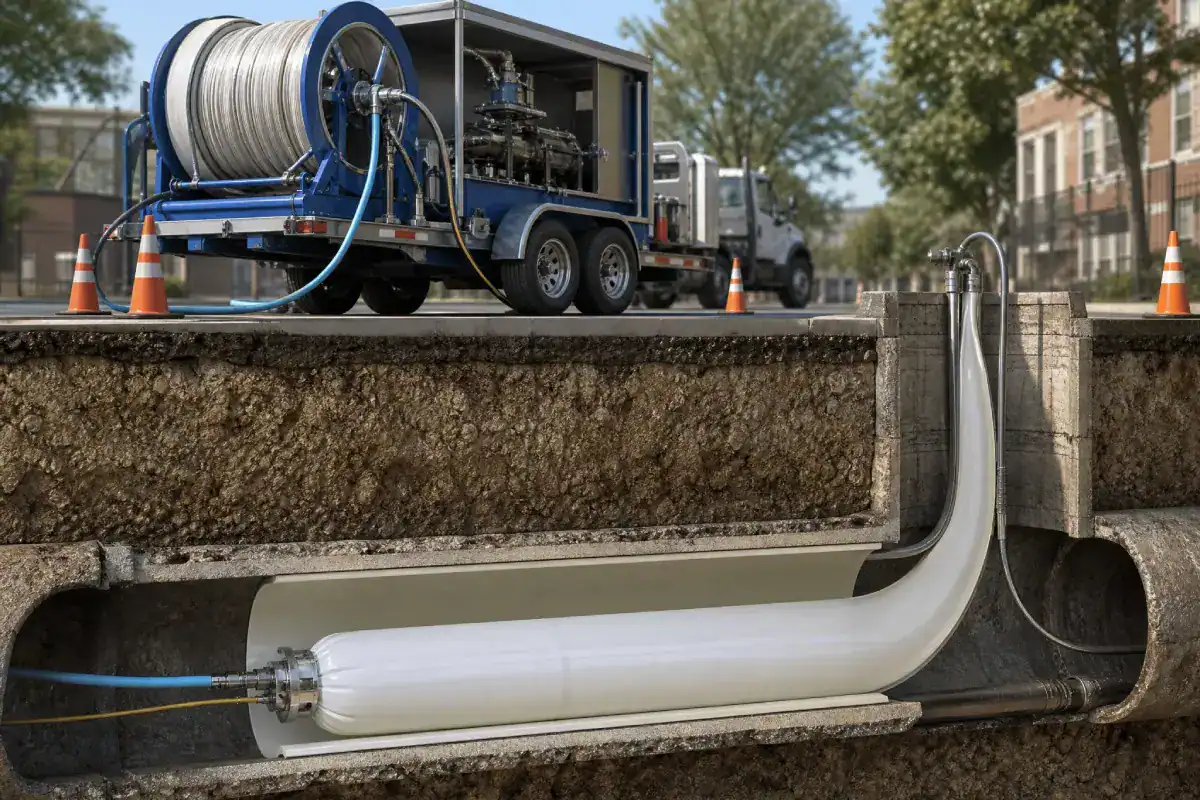
CIPP (Cured-In-Place Pipe) storm sewer lining is a trenchless rehabilitation technique that restores the structural integrity of stormwater pipes without excavation. The method uses a flexible liner saturated with thermosetting resin, inserted into the existing pipeline and cured in place to form a continuous, structural host pipe. CIPP mitigates common failure modes such as corrosion, infiltration, and structural degradation. With increasing pressure on municipal infrastructure, understanding this technology supports informed stormwater asset management. This overview covers procedures, documented benefits, Louisiana case studies, and installation and budgeting considerations.
What Are the Key Facts About CIPP Storm Sewer Lining in Louisiana?
- CIPP rehabilitates aging pipes without excavation by inserting and curing a resin-impregnated liner inside existing conduits.
- The installation process includes inspection, cleaning, liner insertion, and curing with UV light, steam, or hot water.
- CIPP reduces surface disruption, minimizing inconvenience to residents and preserving traffic flow during repairs.
- Municipalities typically save 30–50% on costs compared with open-cut replacement.
- CIPP installations can provide up to 50 years of service when properly installed.
- Louisiana case studies show reduced repair time and costs while maintaining service continuity.
- Trenchless CIPP limits surface damage and extends pipeline life without full replacement.
- Cost drivers include resin type, pipe accessibility, and pipe condition.
- Typical costs range from $80 to $300 per linear foot; many segments are repaired in 1–3 days.
What Methods Are Used in CIPP Lining?
The CIPP process follows defined stages to rehabilitate storm sewer infrastructure: diagnostic inspection with closed-circuit cameras to quantify defects; cleaning to remove silt and obstructions; placement of the resin-saturated liner, inverted or pulled into place; and curing by hot water, steam, or ultraviolet radiation to form a continuous, load-bearing inner pipe.
What Are the Benefits of CIPP Lining for Louisiana Municipalities?
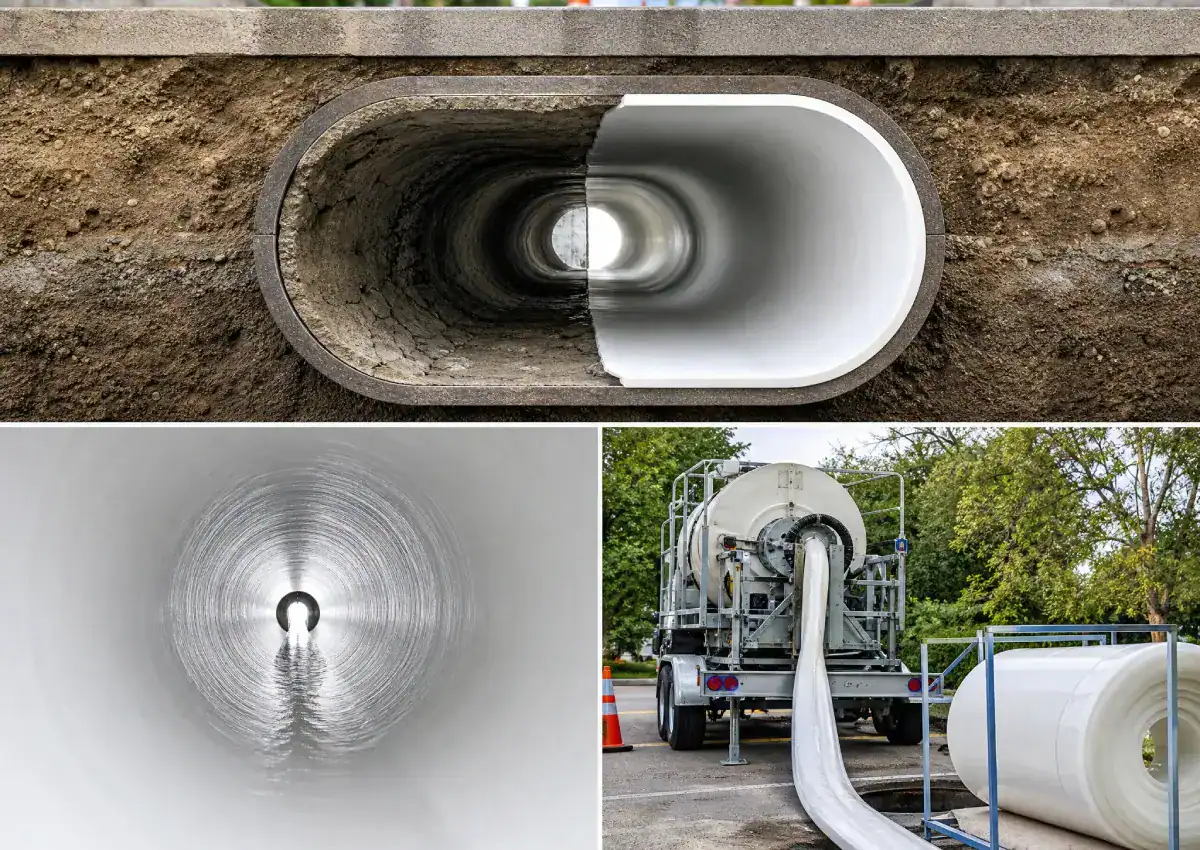
CIPP lining offers cost-effective, minimally disruptive rehabilitation for municipal stormwater systems. Key advantages include reduced surface disturbance, measurable savings compared with open-cut replacement, and extended service life for rehabilitated pipelines.
- Minimal Disruption: Limits surface impact and reduces inconvenience to residents and traffic.
- Cost-Effectiveness: Typically 30–50% less expensive than traditional excavation.
- Longevity: Properly installed liners can last up to 50 years.
Pelican Underground provides CIPP services and follows industry procedures to deliver consistent rehabilitation results for municipal stormwater networks.
How Has CIPP Storm Sewer Lining Performed in Louisiana?
CIPP has been deployed across Louisiana with positive results. In New Orleans, teams rehabilitated aging storm lines along primary corridors while maintaining traffic flow. Baton Rouge used CIPP to restore critical segments and preserve conveyance capacity during heavy rain. In Lake Charles, CIPP extended asset life and avoided the cost and delays of large-scale excavation.
📞 Ready to Rehabilitate Your Storm Sewer System? Don’t wait for a critical failure to force costly emergency repairs. Contact Pelican Underground today for a free, no-obligation quote on CIPP storm sewer lining in Louisiana.
What Is CIPP Storm Sewer Lining and How Does It Rehabilitate Pipes Without Excavation?
CIPP is a trenchless process where a resin-impregnated liner is inserted into an existing pipe and cured to form a new internal pipe. The cured lining seals leaks, restores hydraulic capacity with a smooth interior, and provides structural reinforcement to the original conduit — allowing municipalities to maintain systems without major surface excavation.
How Does Cured-In-Place Pipe Technology Work for Storm Sewer Repair?
CIPP comprises standardized procedures to restore deteriorated storm sewer assets. Technicians perform internal diagnostics with high-resolution cameras to document defects. Cleaning uses high-pressure jetting or mechanical methods to prepare the surface. Final curing via UV light or steam polymerizes the resin and establishes a durable continuous lining.
How Does Trenchless Sewer Repair Reduce Surface Disruption and Costs in Louisiana?
Trenchless methods such as CIPP reduce surface disruption compared with open-cut excavation, which requires pavement removal and restoration. The approach limits damage to roadways and landscaping and lowers ancillary costs such as traffic management and utility relocations. Trenchless repair helps contain project scope and costs when upgrading Louisiana’s storm sewer systems.
What Are the Key Benefits of Choosing Trenchless CIPP Sewer Repair in Louisiana?
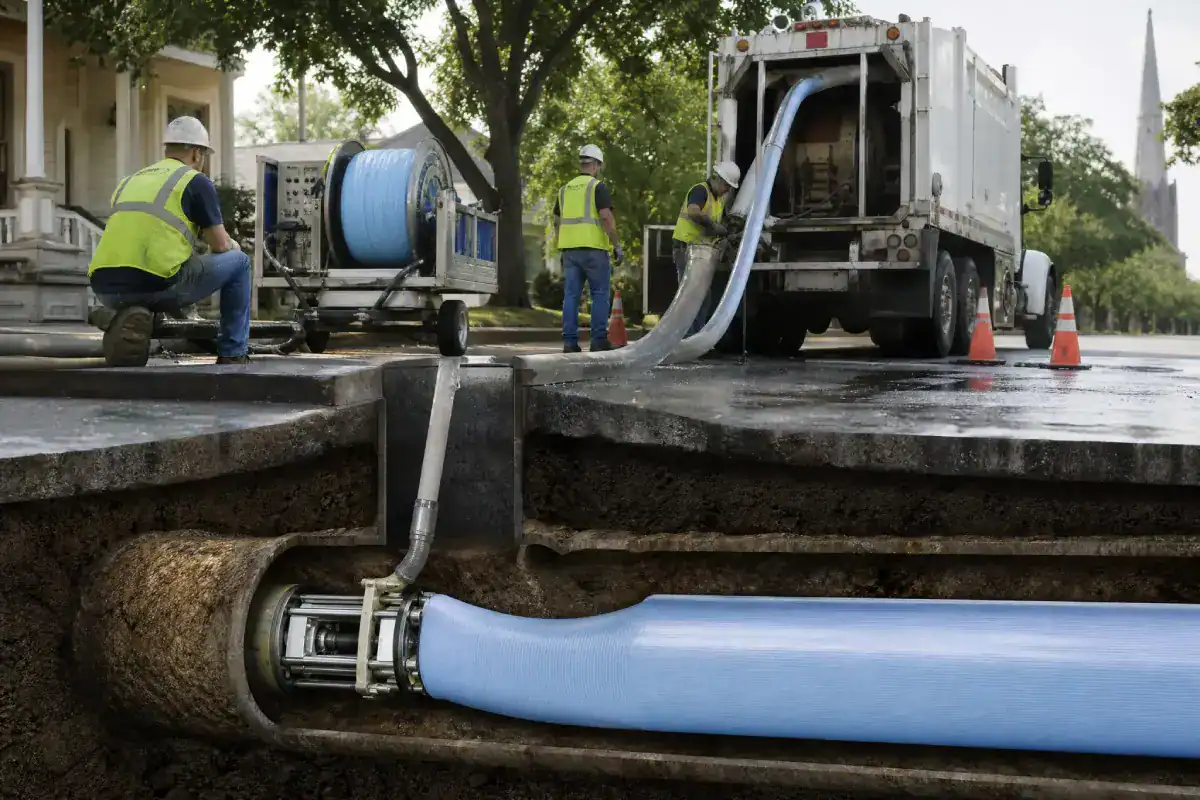
Selecting trenchless CIPP yields benefits relevant to municipal asset managers and public works authorities:
- Cost Savings: Municipalities often realize 30–50% savings versus traditional methods.
- Reduced Disruption: Public areas remain largely functional during works.
- Longevity of Solutions: Installations can extend system life for decades.
These attributes make CIPP a practical option for jurisdictions managing stormwater infrastructure with limited budgets and operational constraints.
How Do CIPP Costs Compare to Traditional Excavation?
Compared with open-cut excavation, CIPP commonly delivers a lower installed cost per linear foot and a shorter program duration. Conventional excavation typically incurs higher unit costs and longer timelines, increasing both direct and indirect project expenditures.
The CIPP installation process for stormwater pipes follows established steps to rehabilitate infrastructure without conventional excavation.
Step-by-Step Overview of Trenchless Lining Procedures Including Pipe Inversion and UV Curing
The operational steps include:
- Inspection: High-resolution cameras assess interior damage.
- Cleaning: High-pressure cleaning removes debris and deposits.
- Liner Insertion: The resin-coated liner is positioned within the host pipe.
- Curing: UV light or steam cures the liner to create a solid new interior pipe.
Each step follows industry standards and quality controls to meet structural and hydraulic performance requirements.
Environmental Considerations During CIPP Installation for Louisiana Storm Sewer Systems
CIPP generally has a smaller environmental footprint than full pipe replacement because most activity occurs subsurface, minimizing surface disturbance. Environmental compliance is central to CIPP projects, with control measures to protect adjacent ecosystems. Extending pipeline service life also conserves resources by avoiding wholesale replacement and construction waste.
What Are the Expected Costs and Savings of CIPP Storm Sewer Lining in Louisiana?
Fiscal considerations drive growing municipal adoption of CIPP for storm sewer rehabilitation.
Comparative Analysis: CIPP Lining Versus Traditional Excavation Sewer Repair Costs
In direct comparison, CIPP and traditional excavation show clear differences in unit cost and schedule:
| Repair Method | Average Cost per Foot | Timeframe to Completion |
|---|---|---|
| CIPP Lining | $80 – $300 | 1 – 3 days |
| Traditional Excavation | $250 – $600 or more | Weeks to months |
The table highlights CIPP’s cost-effectiveness and expedited timelines, supporting constrained capital programs and faster delivery.
Factors Influencing Cost Estimates for Trenchless Sewer Rehabilitation in Louisiana
Estimates depend on project-specific variables such as material selection, site accessibility, and pipe condition.
- Material Choices: Resin and liner type affect pricing.
- Access Issues: Pipe location and accessibility may require specialized equipment.
- Pipe Condition: Existing deterioration influences preparation and cleaning scope.
Accurate budgeting requires assessment of these factors during scoping to define realistic cost projections and procurement needs.
TL;DR — CIPP Storm Sewer Lining in Louisiana at a Glance
- CIPP is a trenchless technique that installs a new pipe inside existing stormwater infrastructure — no excavation required.
- Municipalities save 30–50% versus traditional open-cut methods, with most projects completed in 1–3 days.
- Liners are cured via UV light, steam, or hot water and can last up to 50 years when properly installed.
- The process minimizes surface disruption to roads, landscaping, and traffic — critical for busy Louisiana corridors.
- CIPP has been successfully deployed in New Orleans, Baton Rouge, and Lake Charles, among other communities.
- Next step: Contact Pelican Underground for a free CIPP storm sewer assessment and project quote.
Frequently Asked Questions
How long does CIPP storm sewer lining take in Louisiana?
Individual pipeline segments typically require one to three days, depending on length and site conditions. This condensed timeframe reduces service interruption compared with open-cut methods, which can take weeks or months.
What materials are used in CIPP lining?
CIPP systems use a felt or fiberglass carrier saturated with a thermosetting resin. Resin selection — often epoxy or vinyl ester — depends on mechanical and chemical resistance requirements for the specific pipe application.
Is CIPP lining environmentally friendly for Louisiana storm sewers?
CIPP usually imposes a lower environmental impact than open-cut replacement by avoiding extensive excavation, reducing construction waste, and minimizing disturbance to surrounding land and infrastructure. Extending pipeline service life also conserves resources.
Do municipalities need permits for CIPP lining projects in Louisiana?
Permitting requirements vary by jurisdiction. Close coordination with local regulators is necessary to ensure compliance and to document environmental and public-safety controls prior to mobilization.
How much does CIPP storm sewer lining cost in Louisiana?
CIPP lining typically costs $80 to $300 per linear foot, compared to $250 to $600 or more for traditional excavation. Municipalities commonly save 30–50%. Final costs depend on pipe diameter, condition, access, and liner material selection.
Related Resources
- Municipal Storm Water Solutions
- Storm Water Management — Lake Charles, LA
- CIPP Lining — Baton Rouge, LA
- How Long Does Pipe Lining Last?
- Pros and Cons of Trenchless Sewer Repair
- Pipe Lining vs. Pipe Bursting
Get a Free CIPP Storm Sewer Lining Quote in Louisiana
CIPP storm sewer lining offers municipalities a proven trenchless option to address aging infrastructure with lower cost, reduced surface disruption, and extended service life for rehabilitated pipelines. Installations can deliver decades of service while minimizing environmental and community impacts associated with open-cut replacement. Contact Pelican Underground today for a free, no-obligation quote on CIPP storm sewer lining in Louisiana.
About Pelican Underground: Pelican Underground is a trenchless pipe rehabilitation specialist serving Louisiana, Mississippi, and Alabama. The company provides CIPP lining, hydro jetting, sewer camera inspection, and municipal storm water solutions for commercial, industrial, and public-sector clients. Contact Pelican Underground for a free assessment of your stormwater infrastructure.