
Cured‑In‑Place Pipe (CIPP) lining is a trenchless repair method that restores damaged sewer and water pipes without large-scale digging. It limits disruption to landscaping, roads, and daily life while adding years to an existing pipeline. Below, we explain how CIPP works in Louisiana, outline the installation steps, break down cost drivers, and show why many property owners choose this approach. Whether you’re facing an aging sewer system or routine deterioration, CIPP offers a practical, long-lasting alternative to full pipe replacement. We’ll also cover how to find a contractor who understands local conditions.
What Is CIPP Lining and How Does It Work in Louisiana?
CIPP lining is a trenchless rehabilitation technique that inserts a resin‑saturated liner into an existing pipe and then cures it in place, forming a new, seamless pipe inside the old one. Because it’s done from inside the pipe, CIPP greatly reduces the need for excavation and the disruption that comes with it. The process begins with a video inspection to pinpoint problems, followed by cleaning, liner insertion, and curing with heat, steam, or UV light. The result is a durable, corrosion‑resistant flow path that restores service and extends the life of your system, often at a fraction of the time and disturbance of traditional dig‑and‑replace projects.
Field demonstrations and case studies have shown CIPP to be an effective technique for water‑main and sewer rehabilitation in the region.
CIPP Water‑Main Rehabilitation — Baton Rouge, LA
Demonstration and evaluation of an innovative water‑main rehabilitation technology: Cured‑in‑Place Pipe (CIPP) lining. John C. Matthews, Principal Research Scientist, Battelle Memorial Institute, Baton Rouge, LA (2012). For additional industry standards, see the NASSCO CIPP Guidelines.
At Pelican Underground we specialize in CIPP lining services, delivering experienced crews and proven methods to protect your plumbing assets.
What Is Cured-In-Place Pipe Lining?
Cured‑In‑Place Pipe (CIPP) lining repairs pipes from the inside using a flexible liner soaked in resin. The liner is inserted into the damaged pipe, positioned, and then cured—typically with hot water, steam, or UV light—so the resin hardens into a structural, continuous pipe. CIPP minimizes surface disturbance, reduces labor, and usually completes faster than full excavations, making it well suited for both homes and businesses across Louisiana.
What Are the Step-by-Step Installation Processes for CIPP Lining in New Orleans?
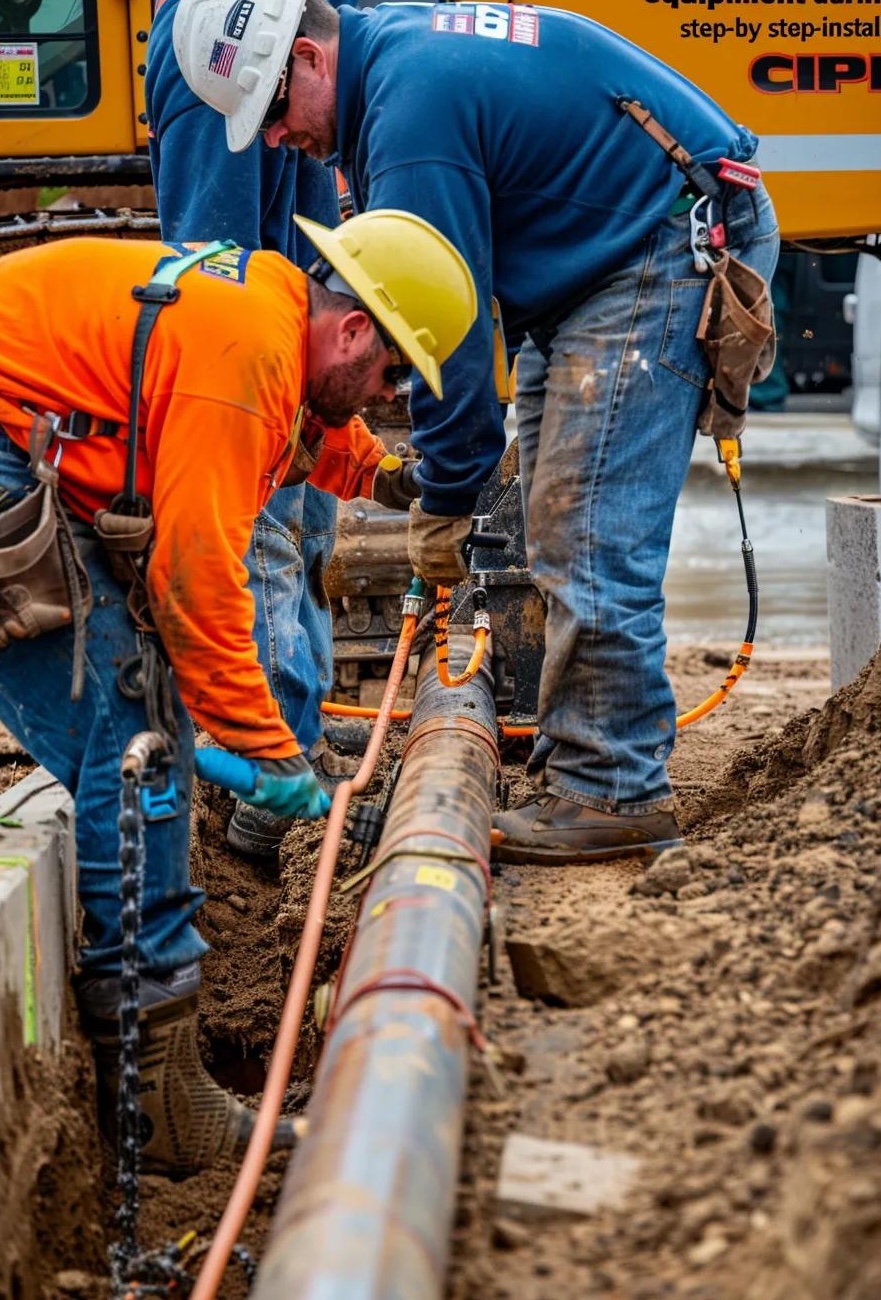
The CIPP installation typically follows these key steps to ensure a reliable result:
- Initial Inspection: We run a CCTV drain camera through the pipe to map damage, blockages, and access points.
- Pipe Cleaning: The pipe is cleaned: hydrojetting or mechanical cleaning removes roots, scale, and debris so the liner can seat properly.
- Liner Insertion: A resin‑saturated liner is pulled or inverted into place using winches or air pressure, depending on the system.
- Curing Process: The liner is cured with hot water, steam, or UV light to activate and harden the resin into a continuous inner pipe.
- Final Inspection: A post‑cure camera inspection verifies the new lining’s integrity and documents the repair.
This sequence delivers a seamless, structurally sound inner pipe while keeping surface disturbance to a minimum.
What Are the Cost Factors and Pricing Details for CIPP Lining in Louisiana?
Several variables affect the final price of CIPP work in Louisiana, including:
- Pipe Diameter and Length: Larger or longer runs require more material and time.
- Extent of Damage: Severe distortion, collapsed sections, or extensive root intrusion add prep work and cost.
- Accessibility: Pipes under driveways, buildings, or tight spots can require specialty equipment, increasing expense.
For an accurate estimate, contact Pelican Underground. Site inspections let us tailor a scope and quote to your project.
How Much Does CIPP Lining Cost in Louisiana?
Costs vary by project complexity, but homeowners typically see CIPP pricing in the range of $80 to $300 per linear foot. The wide range reflects differences in pipe size, access, and preparation needs. For a detailed breakdown, see our guide on pipe lining costs in New Orleans, or request a site evaluation and written estimate from a qualified contractor.
Which Factors Influence the Price of CIPP Lining Services?
Key drivers that affect CIPP pricing include:
- Pipe Condition: Heavily damaged pipes require more cleaning, sectional replacements, or bypass pumping, which raises costs.
- Location: Urban vs. rural settings, permits, and local labor rates can influence the total price.
- Material Quality: Resin type and liner specifications (pressure rating, chemical resistance) change material costs and expected lifespan.
Understanding these elements helps property owners compare estimates and choose the best long‑term option.
What Are the Benefits of Choosing Trenchless Pipe Repair with CIPP Lining?
Choosing CIPP lining brings several advantages over traditional dig‑and‑replace methods:
- Minimal Disruption: Trenchless work preserves landscaping, driveways, and sidewalks by avoiding large excavations.
- Cost‑Effective: While upfront costs can vary, long‑term savings come from reduced restoration, shorter shutdowns, and fewer future repairs.
- Durability: Properly installed CIPP is resistant to corrosion and root intrusion, often providing decades of service.
Those benefits make CIPP a practical choice for many residential and commercial applications across Louisiana.
How Does CIPP Lining Provide Environmental and Economic Benefits?
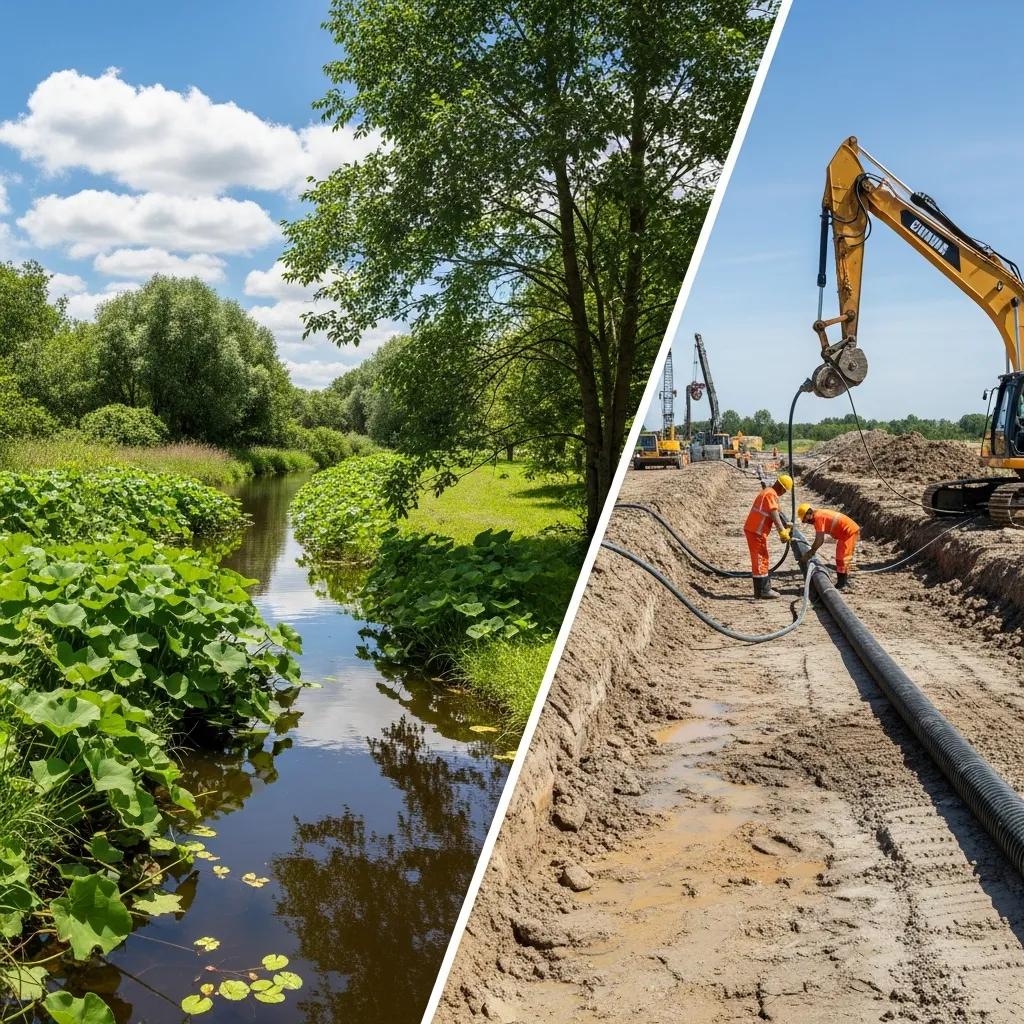
CIPP reduces the environmental footprint of pipe repairs by cutting down on excavation, soil disturbance, and construction waste. Less digging means fewer truck trips, faster project timelines, and less restoration work—translating to lower emissions and costs. Many modern resins and liners are selected for durability and reduced material waste, aligning trenchless repairs with sustainable construction practices. The U.S. EPA’s trenchless technology report further documents these environmental advantages for municipal and private pipe systems.
What Are the Durability and Warranty Features of CIPP Lining Services?
CIPP lining is engineered for long life. Many systems are expected to exceed 50 years with routine maintenance. High‑quality materials resist corrosion and root growth, and reputable contractors back installations with warranties that cover workmanship and material defects for a defined period. Always review warranty terms and maintenance recommendations before approving work.
How Do Residential and Commercial Applications Differ for CIPP Lining in Louisiana?
CIPP is adaptable for both homes and businesses, but project scale and priorities differ.
What Are the Unique Needs of Residential Pipe Rehabilitation?
Residential work usually focuses on shorter runs and minimizing disruption to homeowners. Key priorities are preserving landscaping, keeping repair times short, and delivering a cost‑effective residential pipe lining solution that restores reliable service for years.
How Is CIPP Lining Applied in Commercial Sewer Pipe Rehabilitation?
Commercial projects often involve larger diameters, more complex networks, and stricter downtime requirements. Businesses value fast turnarounds and precise planning to avoid operational interruptions—areas where trenchless CIPP for commercial properties can deliver clear advantages.
How to Choose the Right Pipe Lining Contractor in New Orleans?
Picking the right contractor matters. Look for companies that combine technical skill with transparent communication and strong local experience. Key selection criteria include:
- Experience and Expertise: Proven project history with CIPP installations and documented results.
- Quality of Materials: Use of industry‑approved resins and liners with clear performance specs.
- Customer Reviews: Positive testimonials and references that demonstrate reliability and fair pricing.
What Should You Look for in a CIPP Lining Contractor?
When evaluating contractors, pay attention to these practical details:
- Local Expertise: Familiarity with Louisiana soil, weather, and permitting makes projects run smoother.
- Transparent Process: Clear written estimates, scope of work, and timelines help avoid surprises.
- Warranty and Guarantees: Confirm what’s covered, for how long, and any maintenance requirements to keep warranties valid.
Why is Local Expertise Important for Trenchless Pipe Repair in Louisiana?
Local knowledge matters because soil types, groundwater conditions, and municipal codes vary by region. A contractor who understands Louisiana’s environmental conditions and permitting process is better equipped to plan logistics, avoid delays, and deliver a durable repair that meets local standards.
Frequently Asked Questions
What types of pipes can be repaired using CIPP lining?
CIPP lining is versatile and can be used to repair various types of pipes, including those made of PVC, clay, cast iron, and concrete. This method is particularly effective for sewer and water pipes that have suffered from corrosion, cracks, or root intrusion. The flexibility of the resin-saturated liner allows it to conform to the existing pipe’s shape, making it suitable for a wide range of applications in both residential and commercial settings.
How long does the CIPP lining process take?
The duration of the CIPP lining process can vary based on several factors, including the length and diameter of the pipe, the extent of damage, and site accessibility. Generally, the entire process—from initial inspection to final curing—can take anywhere from a few hours to a couple of days. However, because CIPP is a trenchless method, it significantly reduces the time compared to traditional excavation methods, allowing for quicker restoration of service.
Are there any maintenance requirements after CIPP lining installation?
After CIPP lining installation, routine maintenance is recommended to ensure the longevity of the new lining. This includes periodic inspections using CCTV to monitor the condition of the pipe and identify any potential issues early. Additionally, property owners should avoid introducing harsh chemicals into the system that could compromise the integrity of the lining. Following the contractor’s maintenance guidelines will help maximize the lifespan of the CIPP lining, which can exceed 50 years with proper care.
What are the environmental benefits of using CIPP lining?
CIPP lining offers several environmental benefits, primarily by minimizing excavation and the associated disruption to the landscape. This method reduces soil disturbance, which helps preserve local ecosystems and decreases the carbon footprint associated with traditional pipe replacement. Additionally, the use of durable materials in CIPP reduces the frequency of repairs and replacements, leading to less waste and lower emissions from construction activities.
Can CIPP lining be used in areas with high groundwater levels?
Yes, CIPP lining can be effectively used in areas with high groundwater levels. The trenchless nature of the process allows for installation without significant excavation, which can be particularly beneficial in such conditions. However, contractors may need to take additional precautions, such as using specialized equipment to manage groundwater during the installation process. It’s essential to consult with experienced professionals who understand local hydrology to ensure a successful application.
What should I expect during the initial inspection for CIPP lining?
During the initial inspection for CIPP lining, a technician will use a CCTV camera to assess the condition of the existing pipe. This inspection helps identify any blockages, cracks, or other damage that may affect the lining process. The technician will also map the pipe’s layout and determine access points for the liner insertion. This step is crucial for developing a tailored plan for the CIPP installation, ensuring that all issues are addressed effectively.
Conclusion
CIPP lining provides a cost‑effective, less‑invasive option for repairing pipes across Louisiana. It preserves property, shortens project timelines, and delivers long‑lasting performance when installed by experienced professionals. If you’re considering pipe rehabilitation, contact Pelican Underground today to discuss your needs and get a site‑specific estimate from a team that understands local conditions.

Owner of Pelican Underground LLC and NASSCO-certified trenchless sewer specialist with expertise in CIPP lining, pipe bursting, and sewer rehabilitation across Louisiana, Mississippi, and Alabama. Licensed contractor by the Louisiana State Licensing Board for Contractors.