
Cured‑in‑Place Pipe (CIPP) lining is a trenchless repair method that restores damaged pipes without large-scale digging. For homeowners in Louisiana, knowing the typical costs and what drives price helps you decide between patching, relining, or full replacement. This guide walks through cost factors, the installation steps, and the benefits of trenchless pipe repair, so you can make an informed choice for your home.
What CIPP Lining Is and How It Works in Louisiana
CIPP lining repairs an existing pipeline by inserting a flexible, resin‑saturated liner into the damaged pipe. Once positioned, the liner is expanded and cured in place, creating a solid new replacement pipe inside the old one. The result restores structural strength, improves flow, and reduces leaks. Because the process avoids large trenches, it’s especially useful in Louisiana neighborhoods where excavation would be disruptive.
How Trenchless Pipe Repair Benefits Louisiana Homeowners
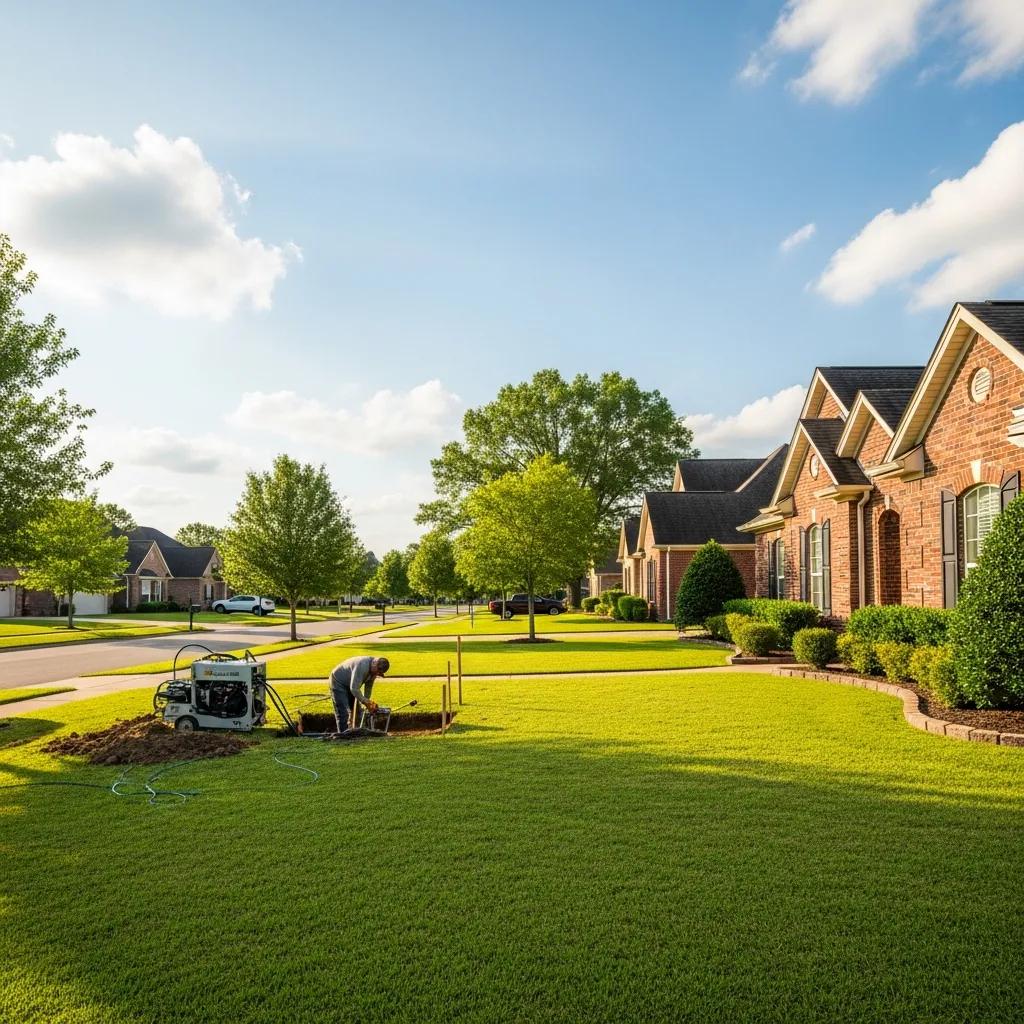
Trenchless pipe repair delivers several practical benefits for homeowners across Louisiana, including:
- Minimal disruption: Only small access pits are needed, so landscaping and driveways stay largely intact.
- Long‑term cost savings: While upfront costs can be higher than a simple patch, pipe relining often reduces future maintenance and excavation expenses.
- Lower environmental impact: Less excavation means less soil disturbance and waste to haul away.
Those advantages make trenchless repair an attractive option when you want a durable maintenance fix without tearing up your yard.
Research consistently points to both economic and environmental gains as key reasons agencies and property owners choose trenchless rehabilitation methods.
Economic and Environmental Advantages of Trenchless Methods
In recent years, trenchless technologies have grown in use for infrastructure rehabilitation because they offer clear economic benefits and reduce environmental disruption.
Use of trenchless technologies in infrastructure rehabilitation and development, O Salem, 2004
Key Steps in the CIPP Lining Installation Process
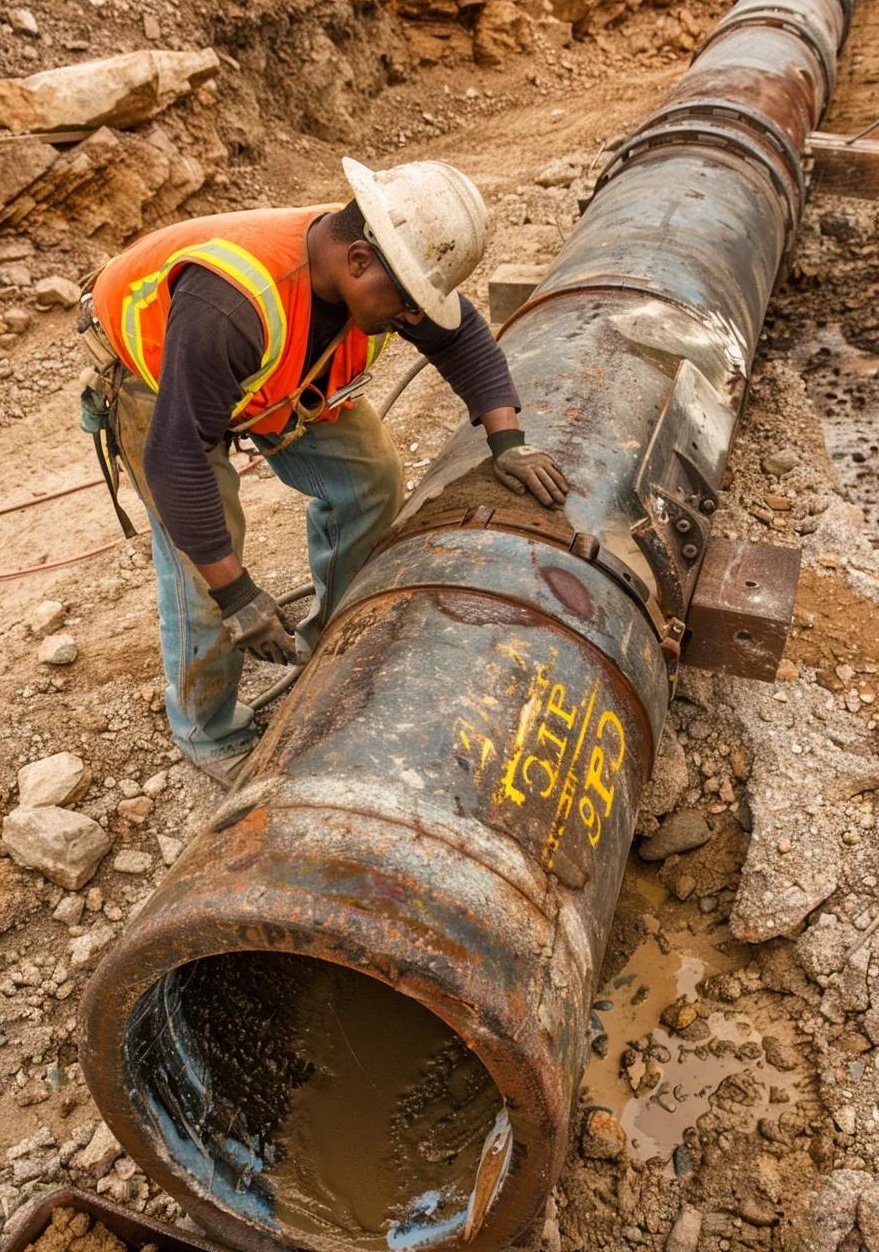
A typical CIPP lining job follows a clear sequence of steps:
- Initial inspection: We have camera inspection technology that assesses pipe condition and pinpoints defects before any work begins.
- Pipe cleaning: High‑pressure water or mechanical tools remove roots, sediment, and debris to prepare the pipe.
- Liner insertion: The resin‑coated liner is fed into the pipe and positioned to cover the damaged section.
- Curing: Hot water, steam, or UV light cures the resin so the liner hardens into a new pipe.
Following these steps restores flow and structural integrity while extending the sewer pipe’s service life.
Average CIPP Lining Costs for Homeowners in Louisiana
On average, CIPP lining in Louisiana runs about $80 to $300 per linear foot, depending on pipe diameter, length, and the severity of damage. For most residential projects you can expect a total in the roughly $3,000 to $15,000 range.
| Cost Factor | Description | Average Cost |
|---|---|---|
| Pipe Diameter | Larger diameters need more material and labor | $80 - $300 per linear foot |
| Length of Pipe | Longer runs increase overall project cost | $3,000 - $15,000 for residential |
| Damage Severity | Extensive defects or collapses can require extra work | Variable |
Knowing these typical ranges helps homeowners prepare realistic budgets and compare contractor estimates.
How Property Type and Location Affect CIPP Lining Prices
Where your property sits and what type it is both influence final pricing for pipe relining or trenchless sewer repair. Urban jobs often cost more because of tight access, permits, and traffic control needs. Rural jobs may have lower site costs but could include travel fees. Commercial properties usually involve larger pipes and more complex systems, which raises labor and material costs compared with a single‑family home.
Typical Cost Ranges for Residential Pipe Rehabilitation
Residential CIPP costs vary by several practical factors, including:
- Pipe material: Different base materials may need specific preparation or adhesives.
- Access challenges: Limited access, steep yards, or confined spaces can increase labor time.
- Local market rates: Contractor availability and regional demand affect pricing.
Get multiple detailed quotes to compare scope, materials, and warranty terms before deciding.
How Much Does Commercial CIPP Lining Cost in Louisiana?
Commercial projects typically cost more due to scale and complexity. Expect commercial CIPP lining to fall roughly between $90 and $300 per linear foot. Businesses should also account for any costs tied to lost production or building downtime during repairs.
| Commercial Cost Factor | Description | Average Cost |
|---|---|---|
| Pipe Size | Large commercial mains need more material and equipment | $90 - $300 per linear foot |
| Project Complexity | Complex networks, connections, or restorations increase scope | Variable |
| Downtime Costs | Business interruption or facility shutdowns add to total expenses | Variable |
Understanding these commercial factors helps facility managers plan budgets and timelines more accurately.
Factors That Influence Pricing for Commercial Pipe Rehabilitation
Several elements drive commercial pricing:
- Job complexity: Multi‑connection systems and specialty fittings require more labor and planning.
- Location and accessibility: Tight or elevated spaces increase time and costs.
- Repair method: Different trenchless techniques and materials come with their own price points.
Accounting for these items early leads to more accurate estimates and fewer surprises on the invoice.
How Louisiana Businesses Benefit from Trenchless Repair Solutions
Trenchless repairs offer clear advantages for businesses:
- Reduced downtime: Faster installations mean operations can resume sooner.
- Lower restoration costs: Less digging reduces landscaping and pavement restoration expenses.
- Smaller environmental footprint: Trenchless work minimizes soil disturbance and waste.
For many businesses, those benefits translate into lower total cost of ownership and less operational disruption.
Benefits of Choosing Trenchless Pipe Repair in Louisiana
Choosing trenchless repair delivers several practical gains:
- Efficiency: Repairs typically finish faster than full‑dig pipe replacements.
- Cost-effectiveness: Savings on labor and restoration often offset the initial investment.
- Less disruption: Minimal excavation protects landscaping and daily routines.
These strengths explain why homeowners and businesses increasingly prefer trenchless options for pipe or pipeline rehabilitation.
How CIPP Lining Minimizes Disruption and Saves Time
CIPP lining removes the need for extensive excavation, shortening job time and reducing restoration work. Many residential relining projects finish in a day or two, depending on size and preparations, which lowers both labor hours and the time your property is affected.
Warranty and Lifespan Homeowners Can Expect from CIPP Linings
Warranties on CIPP linings commonly run between 5 and 10 years, depending on contractor policies and materials. Properly installed CIPP liners typically last 30 to 50 years. Installation quality and the existing pipe condition are the biggest factors that affect how long a lining performs.
How to Choose the Right CIPP Lining Contractor in Louisiana
Picking the right contractor matters. Look for these qualities:
- Local expertise: Contractors familiar with Louisiana codes and soil conditions will navigate permits and site issues more smoothly.
- Material transparency: Ask which resins and liners they use and why.
- Proven experience and certifications: Verify project history and any industry credentials related to trenchless work.
These checks help ensure you get reliable workmanship and a durable result.
Credentials and Experience Louisiana Contractors Should Have
When evaluating contractors, confirm:
- Proper licensing: The contractor should be licensed to perform plumbing and trenchless work in Louisiana.
- Industry certifications: Certifications from recognized organizations show specific training in trenchless techniques.
- Relevant experience: Look for documented CIPP projects similar in scope to yours.
These credentials reduce risk and increase the likelihood of a successful installation.
How Homeowners Can Verify Cost Transparency and Service Quality
Take these steps to confirm fair pricing and good service:
- Request itemized quotes: Ask for a breakdown of materials, labor, inspections, and restoration.
- Check certifications: Verify any claimed licenses or industry credentials.
- Read reviews and testimonials: Past client feedback can reveal reliability, timeliness, and warranty handling.
Doing this homework makes it easier to compare offers and choose a contractor you trust.
Common Questions About CIPP Lining Costs in Louisiana
Homeowners frequently ask:
- What is the average cost per linear foot? Typically $60 to $250 for residential work.
- Are inspections an extra charge? Yes — initial camera inspections or reports may appear as separate line items.
- Is financing available? Many contractors offer financing or payment plans to spread costs over time.
Knowing these answers helps you plan and evaluate proposals more effectively.
Is CIPP Lining Covered by Insurance in Louisiana?
Coverage depends on your policy and the cause of the damage. Some homeowners’ insurance plans pay for sudden, accidental damage but not for gradual deterioration. Document the damage and repairs, and talk to your insurer to understand what’s covered before you start the job.
How 2026 Market Growth Has Impacted Pricing and Warranty Trends
In 2026 the CIPP market has grown, increasing competition among contractors. That competition has led to more competitive pricing and improved warranty options as companies work to stand out. Homeowners can use this environment to request better terms, but still compare scope and guarantees closely.
Frequently Asked Questions
What factors should I consider when choosing a CIPP lining contractor?
When selecting a CIPP lining contractor, consider their local expertise, material transparency, and proven experience. A contractor familiar with Louisiana’s regulations and soil conditions can navigate permits more effectively. Additionally, inquire about the specific resins and liners they use to ensure quality. Finally, check their project history and any relevant certifications to confirm their proficiency in trenchless techniques. This due diligence helps ensure you receive reliable workmanship and a durable result.
How long does the CIPP lining installation process typically take?
The CIPP lining installation process is generally quick, with many residential projects completed within one to two days. The duration depends on factors such as the size of the pipe, the extent of damage, and preparation work required. The trenchless method minimizes disruption, allowing for faster repairs compared to traditional excavation methods. Homeowners can expect a more efficient process that reduces the time their property is affected by repairs.
What maintenance is required after CIPP lining installation?
After CIPP lining installation, minimal maintenance is typically required. Homeowners should monitor their plumbing system for any signs of leaks or issues, especially in the first few months post-installation. Regular inspections can help identify potential problems early. Additionally, maintaining proper drainage and avoiding harsh chemicals can prolong the life of the lining. Following these simple practices ensures the longevity and effectiveness of the CIPP lining.
Can CIPP lining be used for all types of pipes?
CIPP lining is versatile and can be used for various types of pipes, including those made from clay, PVC, and cast iron. However, the effectiveness of the lining may depend on the condition of the existing pipe and the specific repair needs. It’s essential to have a thorough inspection conducted by a qualified contractor to determine if CIPP lining is suitable for your particular situation. This assessment ensures the best repair method is chosen for your pipes.
What should I do if I experience issues after CIPP lining?
If you encounter issues after CIPP lining, such as leaks or reduced flow, contact your contractor immediately. Most reputable contractors offer warranties that cover installation defects, so it’s crucial to document any problems and communicate them promptly. They can assess the situation and determine if repairs or adjustments are necessary. Regular follow-ups and maintenance checks can also help prevent future issues and ensure the longevity of the lining.
Are there any environmental benefits to using CIPP lining?
Yes, CIPP lining offers several environmental benefits. The trenchless method significantly reduces soil disturbance and minimizes waste generated from traditional excavation. By avoiding large-scale digging, CIPP lining helps preserve landscaping and reduces the carbon footprint associated with transporting materials. Additionally, the longevity of CIPP linings means fewer repairs and replacements over time, contributing to a more sustainable approach to pipe rehabilitation.
Conclusion
Understanding CIPP lining costs and benefits helps Louisiana homeowners choose a repair path that balances budget, disruption, and longevity. Trenchless relining offers faster, less invasive repairs and strong long‑term performance when installed correctly. Get multiple detailed quotes, verify credentials, and review warranty terms to find the right contractor for your project.

Owner of Pelican Underground LLC and NASSCO-certified trenchless sewer specialist with expertise in CIPP lining, pipe bursting, and sewer rehabilitation across Louisiana, Mississippi, and Alabama. Licensed contractor by the Louisiana State Licensing Board for Contractors.