
If you’re a homeowner in Baton Rouge facing sewer trouble, picking the right CIPP (Cured‑In‑Place Pipe) lining contractor makes a big difference. This guide walks you through the key things to check: what questions to ask, how to verify qualifications, and how to compare pricing so you get reliable, cost‑effective results. With clear local know‑how and the right contractor, you can protect your property and avoid costly surprises. Below we cover why local experience matters, the benefits of CIPP lining, and practical steps for evaluating contractors and their pricing.
Key Factors to Consider
When you evaluate CIPP lining contractors, a few core factors will determine the quality and longevity of the repair.
- Local knowledge : Contractors familiar with Baton Rouge soil, drainage patterns, and permitting requirements are better positioned to plan and execute the job.
- Materials and installation quality : The liner material and resin system, plus installation technique, directly affect how long the repair will last.
- Experience and credentials : Look for a proven track record and certifications that match industry standards for CIPP work.
Focusing on these areas helps you choose a contractor who delivers a durable, safe repair.
Also consider a contractor’s familiarity with local regulations and environmental requirements — these can influence schedules and project scope.
Essential Questions to Ask
Use these questions when you contact contractors to confirm they’re a good fit for your home.
- Have you done CIPP lining projects in Baton Rouge? : Ask for details about similar local jobs and results.
- Can you provide references or testimonials? : Speaking with past clients reveals reliability, timeliness, and workmanship.
- What materials and resins will you use? : Make sure you understand the product specs and expected lifespan.
These questions will help you compare contractors on experience, transparency, and suitability for your property.
Tips for Evaluating Contractor Qualifications and Experience
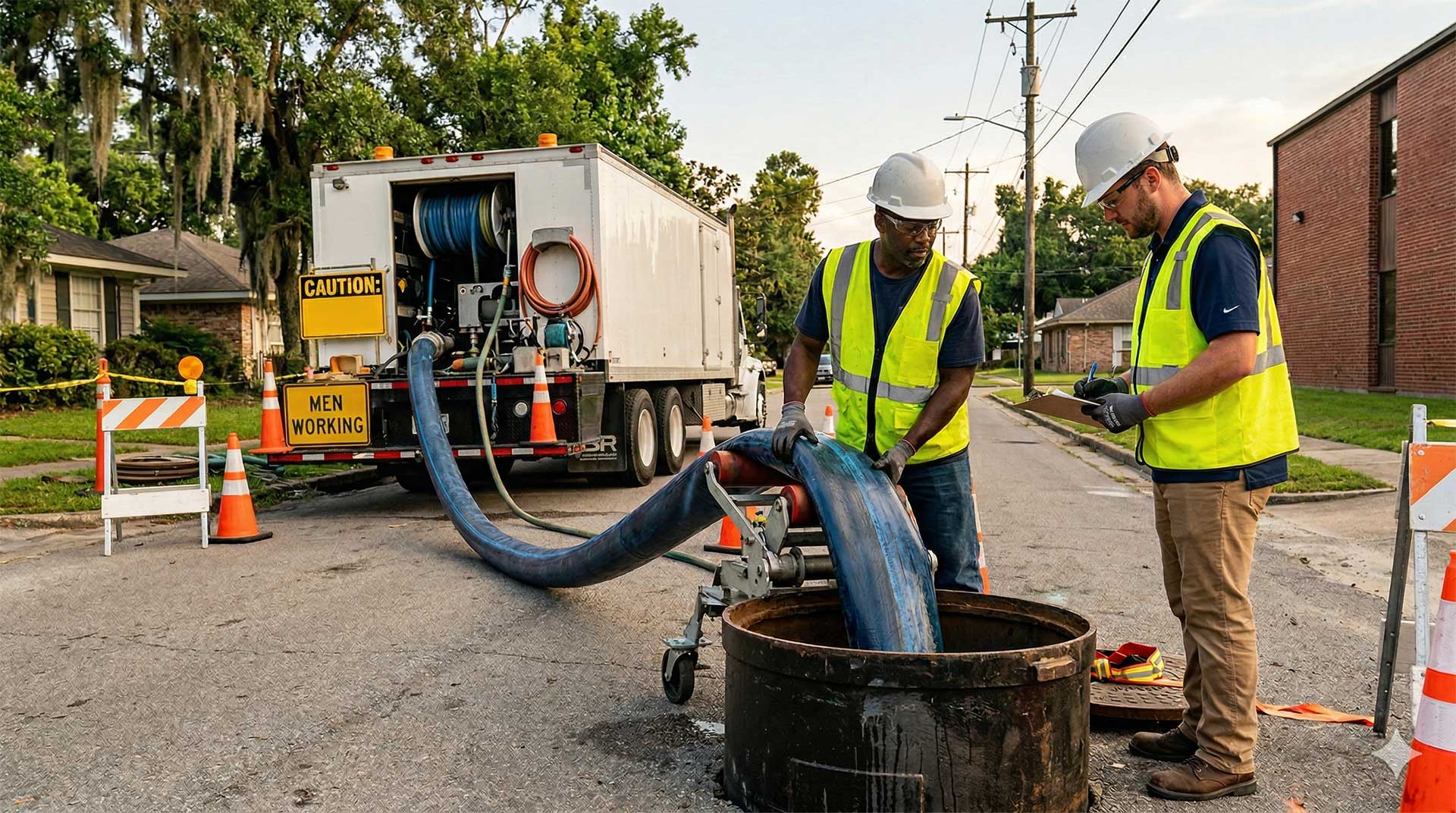
Verifying a contractor’s background reduces the risk of problems during and after the job. Use the tips below to check credentials and past performance.
- Verify licensing and certifications : Confirm the contractor is licensed to work in Louisiana and holds relevant CIPP certifications.
- Review past projects : Ask for a portfolio or case studies that show the quality and consistency of their work.
- Get multiple quotes : Comparing detailed estimates helps you spot unusually low bids or missing costs.
These checks help ensure you hire a contractor who understands the technology and meets professional standards.
What Is CIPP Lining and How Does It Benefit Baton Rouge Homeowners?
CIPP lining is a trenchless repair method that restores damaged pipes without major digging or using trenchless technology. A resin‑saturated liner is placed into the existing pipe, cured in place, and creates a new, seamless pipe inside the old one. For Baton Rouge homeowners, the main advantages are:
- Less disruption : Trenchless work preserves landscaping, driveways, and yard features.
- Cost savings : It’s often more affordable than full pipe replacement because it cuts excavation and restoration costs.
- Durability : Properly installed CIPP liners can extend the service life of your sewer lines for many years.
Knowing these benefits helps you decide whether CIPP lining is the right approach for your property.
If you choose CIPP, make sure the contractor has hands‑on experience with the process to ensure efficient, correct installation.
What Is Cured-In-Place Pipe Technology?
Cured‑In‑Place Pipe (CIPP) is a trenchless pipe rehabilitation method made up of several clear steps:
- Inspection : A video inspection assesses pipe condition and pinpoints damage.
- Preparation : The line is cleaned and prepped for the liner to ensure proper adhesion.
- Liner insertion : A resin‑saturated felt or fabric liner is inserted and positioned inside the pipe.
- Curing : Heat or UV light cures the resin, forming a solid, corrosion‑resistant inner pipe.
This process creates a structural repair without the time and expense of full excavation.
Recent reviews of the CIPP process workflow emphasize how trenchless technologies can streamline repairs while addressing long‑standing sewer infrastructure issues.
Why Choose Trenchless Pipe Repair Over Traditional Methods?
Trenchless methods such as CIPP lining offer clear advantages compared with open excavation:
- Reduced property impact : Less digging means preserved landscaping, driveways, and hardscapes.
- Potential cost savings : Lower restoration and labor costs can make trenchless repairs more affordable overall.
- Longer service life : A well‑installed CIPP liner provides a durable, corrosion‑resistant interior for years.
For homeowners who want a reliable fix with minimal disruption, trenchless repair is often the preferred option.
How to Evaluate and Select the Best Sewer Repair Contractors in Baton Rouge
Use a structured approach when choosing a sewer repair contractor to reduce risk and get the best value.
- Local experience : Prioritize contractors with Baton Rouge projects and knowledge of local codes.
- Certifications and track record : Choose companies with demonstrable CIPP experience and relevant credentials.
- Transparency : Look for clear explanations of methods, timelines, and pricing.
A methodical comparison will help you hire a contractor who meets both technical and customer service expectations.
What Credentials and Licensing Should Baton Rouge Contractors Have?
Before hiring, verify these common credentials and protections:
- State licensing : Confirm the contractor is licensed by the Louisiana State Licensing Board to perform plumbing or sewer work.
- Industry certifications : Certifications such as NASSCO or manufacturer‑specific training indicate specialized competence.
- Insurance : Liability coverage protects you if damage occurs during the project.
Checking these items reduces your exposure to liability and helps ensure professional standards.
How to Verify Contractor Experience with Pipe Lining Services?
Use these practical checks to confirm a contractor’s experience:
- Local project experience : Ask for examples of similar work completed in Baton Rouge or nearby communities.
- Project portfolio : Review before‑and‑after photos, video inspections, and summaries of completed jobs.
- Regulatory compliance : Ensure the contractor understands permits, inspections, and local code requirements.
Taking these steps helps you select a contractor who can handle both technical and local aspects of the job.
What Are the Typical Costs and Pricing Factors for Pipe Lining Services in Baton Rouge?
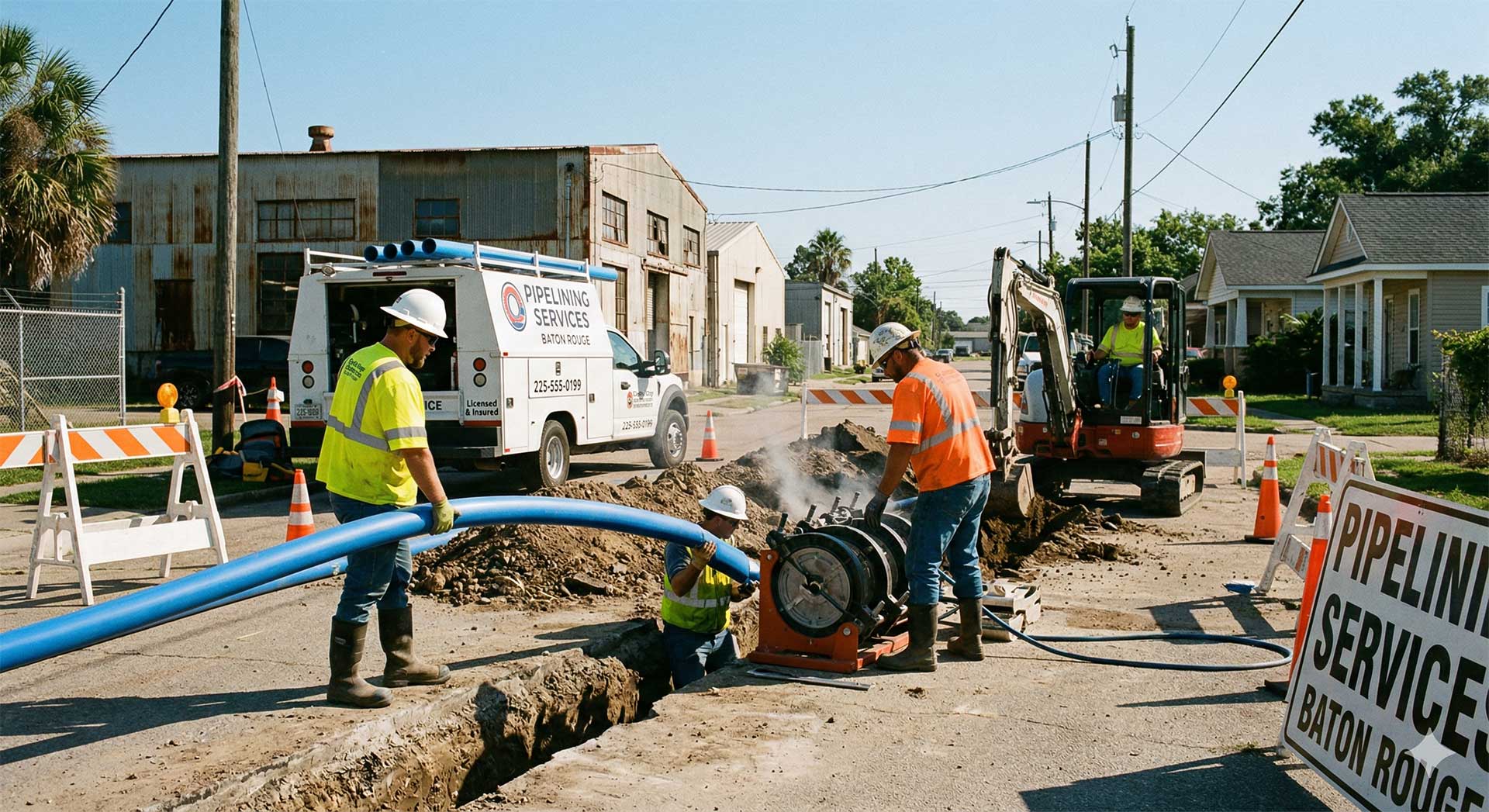
CIPP lining costs vary based on several predictable factors. Learn more about pipe lining services and pricing in our service pages:
- Comparison to traditional methods : CIPP is often less expensive than full pipe replacement when you factor in restoration costs.
- Cost drivers : Pipe length and diameter, damage severity, and site accessibility all affect the final price.
- Clear quotes : Choose contractors who provide itemized estimates so you can compare apples to apples.
Understanding these drivers helps you plan a realistic budget for your sewer rehabilitation.
Which Factors Influence CIPP Installation Costs?
Several elements commonly affect CIPP installation pricing:
- Pipe length and diameter : Larger or longer runs require more materials and time.
- Damage extent : Severe collapses, roots, or offsets may require additional remediation.
- Accessibility : Tight spaces or difficult access increase labor and equipment needs.
Considering these factors with prospective contractors will give you a clearer picture of likely costs.
How to Get Transparent Cost Estimates from Contractors?
Ask for detailed estimates and make sure every potential cost is covered:
- Request itemized quotes : Ask for a line‑by‑line breakdown of labor, materials, equipment, and restoration work.
- Clarify extras : Ask what scenarios could trigger additional charges and how those would be handled.
- Understand the process : Knowing each step of the CIPP workflow helps you see where costs come from.
Clear, documented quotes reduce surprises and make it easier to compare contractors.
What Warranty and Service Guarantees Should You Expect from Baton Rouge Contractors?
Warranties and service guarantees protect your investment. Key items to confirm include:
- Warranty length : Typical coverage ranges from 1 to 10 years depending on materials and contractor policy.
- What’s covered : Ensure the warranty specifies coverage for materials and workmanship.
- Conditions and exclusions : Know what maintenance or usage conditions might void the warranty.
Clear warranty terms give you recourse if problems appear after the job is complete.
What Types of Warranties Are Common for CIPP Lining?
Common warranties you may see include:
- Material warranty : Protects against defects in the liner or resin system.
- Workmanship guarantee : Covers installation quality and adherence to industry standards.
Understanding the difference helps you evaluate which contractor offers stronger long‑term protection.
How Do Service Guarantees Protect Homeowners?
Service guarantees give homeowners confidence by ensuring contractors back their work. Important aspects include:
- Scope of coverage : Guarantees often cover both materials and labor to correct covered issues.
- Claim process : Ask how to file a claim and what documentation is required.
Service guarantees make it easier to resolve problems without extra cost or dispute.
How Do Environmental and Regulatory Considerations Affect Sewer Rehabilitation in Baton Rouge?
Environmental and regulatory factors shape how sewer projects are planned and executed. Keep these in mind:
- Site‑specific environmental factors : Local soil, water table, and ecosystem considerations can affect methods and precautions.
- Regulatory compliance : Contractors must follow local permits, inspection rules, and pollution‑prevention requirements.
Addressing these issues up front helps avoid delays and ensures the work meets local standards.
What Local Regulations Impact Trenchless Pipe Repair?
Typical regulatory concerns for trenchless projects include:
- Permitting : Contractors must secure any required permits before work begins.
- Stormwater and runoff controls : Projects must comply with City of Baton Rouge CIPP specifications, which govern contractor qualifications, ASTM compliance, CCTV inspection, and testing requirements.
Knowing these requirements helps you choose a contractor who can manage permitting and compliance smoothly.
How Does CIPP Lining Support Environmental Sustainability?
CIPP lining can be a greener option because it:
- Reduces excavation : Less digging means lower fuel use and less landscape disruption.
- Generates less waste : Trenchless repairs typically require fewer raw materials and produce less debris.
- Prevents contamination : Repairing leaks reduces the risk of groundwater or soil contamination.
For homeowners concerned about environmental impact, CIPP offers a practical pathway to sustainable repairs.
What Are Some Local Case Studies and Success Stories of CIPP Lining in Baton Rouge?
Local examples illustrate how CIPP has solved common sewer problems in Baton Rouge:
- Residential success stories : Homeowners report restored service and minimal yard disruption after CIPP installation.
- Commercial projects : Businesses benefit from faster turnaround and reduced downtime compared with full replacements.
These local results show CIPP’s effectiveness across different property types.
Which Baton Rouge Projects Demonstrate Effective Sewer Rehabilitation?
Examples that highlight effective CIPP use include:
- Neighborhood pipe renewals : Community runs where aging mains were rehabilitated without major excavation.
- Commercial property repairs : Business properties where trenchless repairs minimized interruption and restoration costs.
These case studies show how CIPP adapts to both residential and commercial needs.
Frequently Asked Questions
What should I look for in a CIPP lining contractor’s warranty?
When evaluating a contractor’s warranty for CIPP lining, consider the length of coverage, which typically ranges from 1 to 10 years. Ensure the warranty explicitly covers both materials and workmanship, protecting you against defects and installation issues. Additionally, review any conditions or exclusions that may void the warranty, such as maintenance requirements or specific usage conditions. A comprehensive warranty provides peace of mind and recourse if problems arise after the installation.
How can I ensure the contractor follows local environmental regulations?
To ensure compliance with local environmental regulations, ask the contractor about their experience with permits and inspections specific to Baton Rouge. They should be familiar with local environmental considerations, such as stormwater management and pollution prevention measures. Request documentation of their compliance history and inquire about their approach to minimizing environmental impact during the project. A contractor well-versed in local regulations will help avoid delays and ensure the project meets all necessary standards.
What are the common challenges faced during CIPP installation?
Common challenges during CIPP installation include dealing with unexpected pipe damage, such as severe collapses or root intrusions, which may require additional remediation. Accessibility issues can also complicate the process, especially in tight spaces or areas with limited access. Weather conditions may impact the curing process, and ensuring proper adhesion of the liner is crucial. A skilled contractor will anticipate these challenges and have strategies in place to address them effectively.
How does CIPP lining compare to traditional pipe replacement in terms of time?
CIPP lining is generally much quicker than traditional pipe replacement methods. While traditional excavation can take days or even weeks, CIPP lining can often be completed in a matter of hours to a few days, depending on the project size. This efficiency minimizes disruption to your property and daily life. Additionally, the trenchless nature of CIPP means less time spent on restoration, as there is minimal digging involved, further speeding up the overall process.
What are the long-term benefits of choosing CIPP lining?
The long-term benefits of CIPP lining include extended service life for your sewer pipes, often lasting 50 years or more with proper installation. This method also reduces the likelihood of future leaks and blockages, leading to lower maintenance costs over time. Additionally, CIPP lining is environmentally friendly, generating less waste and minimizing disruption to your property. Homeowners can enjoy peace of mind knowing their sewer system is durable and less prone to issues.
Are there any specific maintenance requirements after CIPP installation?
After CIPP installation, maintenance requirements are generally minimal, but regular inspections are recommended to monitor the condition of the pipes. Homeowners should avoid flushing non-biodegradable items and be cautious about what goes down the drains to prevent blockages. It’s also wise to keep an eye out for any signs of leaks or issues in the surrounding area. Following these simple guidelines can help ensure the longevity and effectiveness of the CIPP lining.
How can I find reviews or testimonials for CIPP contractors in Baton Rouge?
To find reviews or testimonials for CIPP contractors in Baton Rouge, start by checking online platforms such as Google, Yelp, or Angie’s List, where customers often share their experiences. You can also read verified reviews and testimonials from Pelican Underground customers. Additionally, ask potential contractors for references from previous clients, and consider reaching out to those clients directly to inquire about their satisfaction with the work performed. Social media platforms and local community forums can also provide insights into contractor reputations and customer feedback.
Conclusion
Choosing the right CIPP lining contractor in Baton Rouge matters for a successful, low‑impact sewer repair. By focusing on local experience, verified credentials, transparent pricing, and clear warranty terms, you can hire a contractor who delivers durable results with minimal disruption. If you’re considering CIPP, start by getting detailed quotes, checking references, and confirming local permits and insurance. Take those steps today to protect your home and your budget.

Owner of Pelican Underground LLC and NASSCO-certified trenchless sewer specialist with expertise in CIPP lining, pipe bursting, and sewer rehabilitation across Louisiana, Mississippi, and Alabama. Licensed contractor by the Louisiana State Licensing Board for Contractors.