
Maintaining plumbing integrity in multi-unit properties is a core operational task, especially in Louisiana where aging infrastructure and unique environmental conditions pose challenges. Multi-unit building drain lining using trenchless sewer repair lets owners rehabilitate sewer stacks with minimal tenant disruption, preserving both property value and tenant satisfaction. This article outlines techniques, benefits, and practical considerations tailored for Louisiana property owners and managers evaluating no-dig options that preserve occupancy and operations in diverse urban and suburban settings.
Trenchless Techniques for Drain Lining
Common trenchless approaches for multi-unit buildings in Louisiana include Cured-In-Place Pipe (CIPP) lining, vertical stack lining, and pipe bursting. These methods are particularly suited to the region’s climate and building types, which often feature older cast iron or clay pipes prone to corrosion and root intrusion.
CIPP lining involves inserting a resin-saturated liner into the existing pipe, inflating it, and curing it in place to form a durable pipe-within-a-pipe. This restores structural integrity without excavation, which is critical in densely populated Louisiana neighborhoods where open trenches can disrupt traffic and access.
Vertical stack lining applies similar resin-based lining techniques to risers that serve multiple floors, a common configuration in Louisiana’s multi-story apartment complexes and historic buildings. This method allows repairs without removing walls or disrupting tenant living spaces.
Pipe bursting replaces severely deteriorated pipe runs by fracturing the old pipe while simultaneously pulling in a new pipe. This method is effective in areas where pipes have collapsed or are extensively damaged, such as in flood-prone zones of Louisiana where soil movement can impact underground infrastructure.
These trenchless methods reduce surface disruption and can be selected based on access constraints, pipe condition, and project scope, making them ideal for Louisiana’s varied building stock and environmental conditions.
What Is Trenchless Sewer Repair and How Does It Benefit Multi-Unit Buildings in Louisiana?
Trenchless sewer repair rehabilitates pipes without extensive digging, a significant advantage in Louisiana’s urban areas where excavation can be complicated by narrow streets, historic districts, and high water tables. For multi-unit properties, these techniques reduce noise, dust, and site intrusion, shorten project schedules, and help maintain tenant services during work, which is essential in Louisiana’s humid climate where prolonged disruptions can affect indoor air quality and comfort.
How Does Trenchless Technology Restore Sewer Stacks Without Excavation?
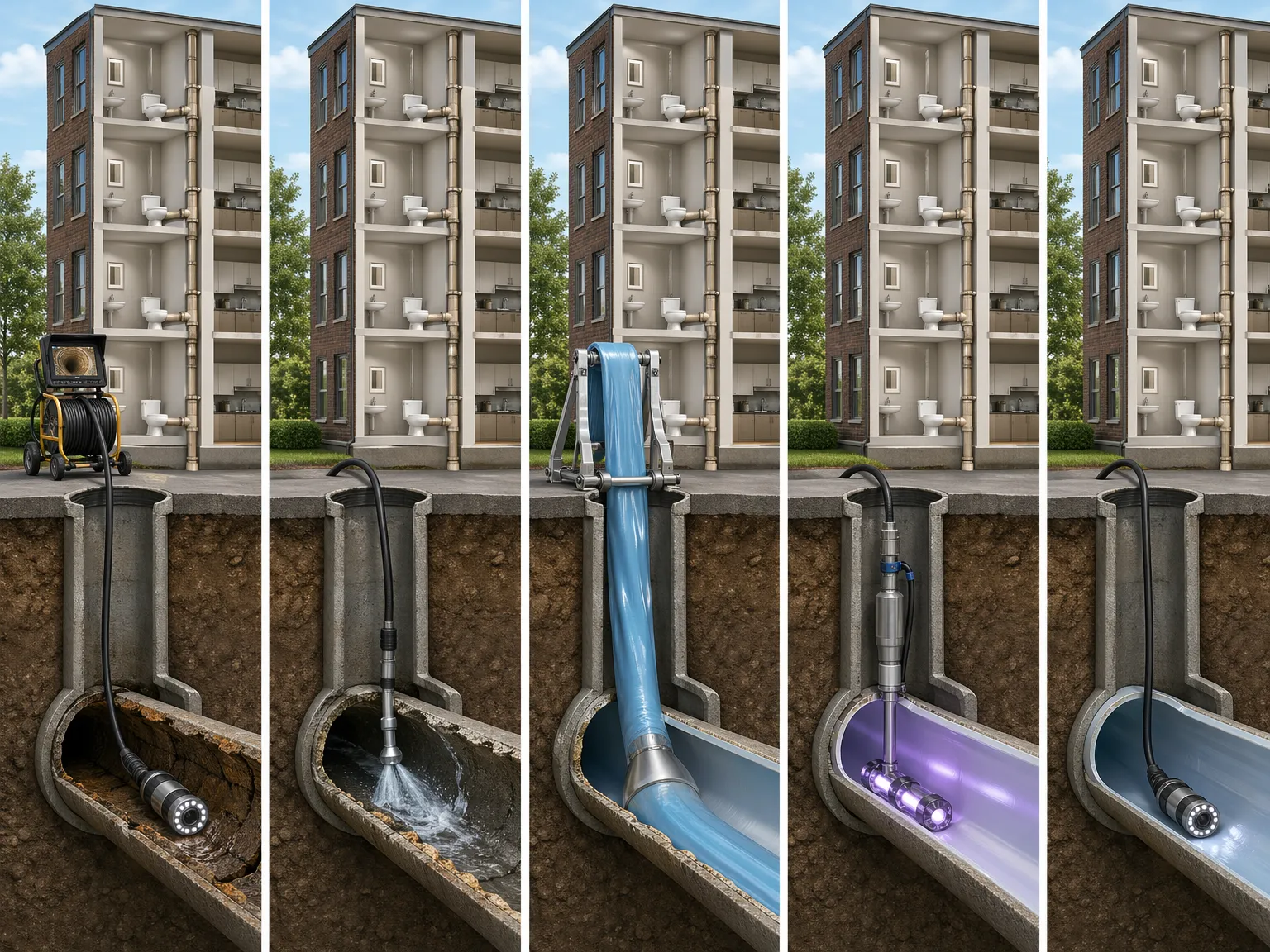
Typical rehabilitation inserts a flexible, resin-impregnated liner into the host pipe, inflates it, and cures it in place to create a new conduit. This addresses leaks, restores structural capacity, and can improve hydraulic performance while avoiding floor-to-floor excavation in occupied buildings. In Louisiana, where many multi-unit buildings are older and have complex plumbing layouts, this method minimizes the risk of damage to historic finishes and reduces the need for costly restoration.
CIPP projects do have engineering and operational considerations that should be reviewed during planning, including temperature and humidity control during curing, which are particularly relevant in Louisiana’s climate.
Benefits
Trenchless sewer repair provides operational advantages for multi-unit properties, especially in Louisiana’s unique environmental and regulatory context.
- Minimal Disruption to Tenants: Compared with open excavation, trenchless methods produce less noise, dust, and access interference, which is critical in Louisiana’s humid climate where open trenches can also lead to mosquito breeding and other health concerns.
- Cost-Effectiveness: Reduced labor and restoration needs and shorter schedules frequently lower total project costs and limit lost rental income, a key consideration in Louisiana’s competitive rental markets.
- Environmental Benefits: Avoiding extensive digging preserves landscaping, including mature trees common in Louisiana properties, and reduces restoration-related carbon emissions and waste, supporting local sustainability goals.
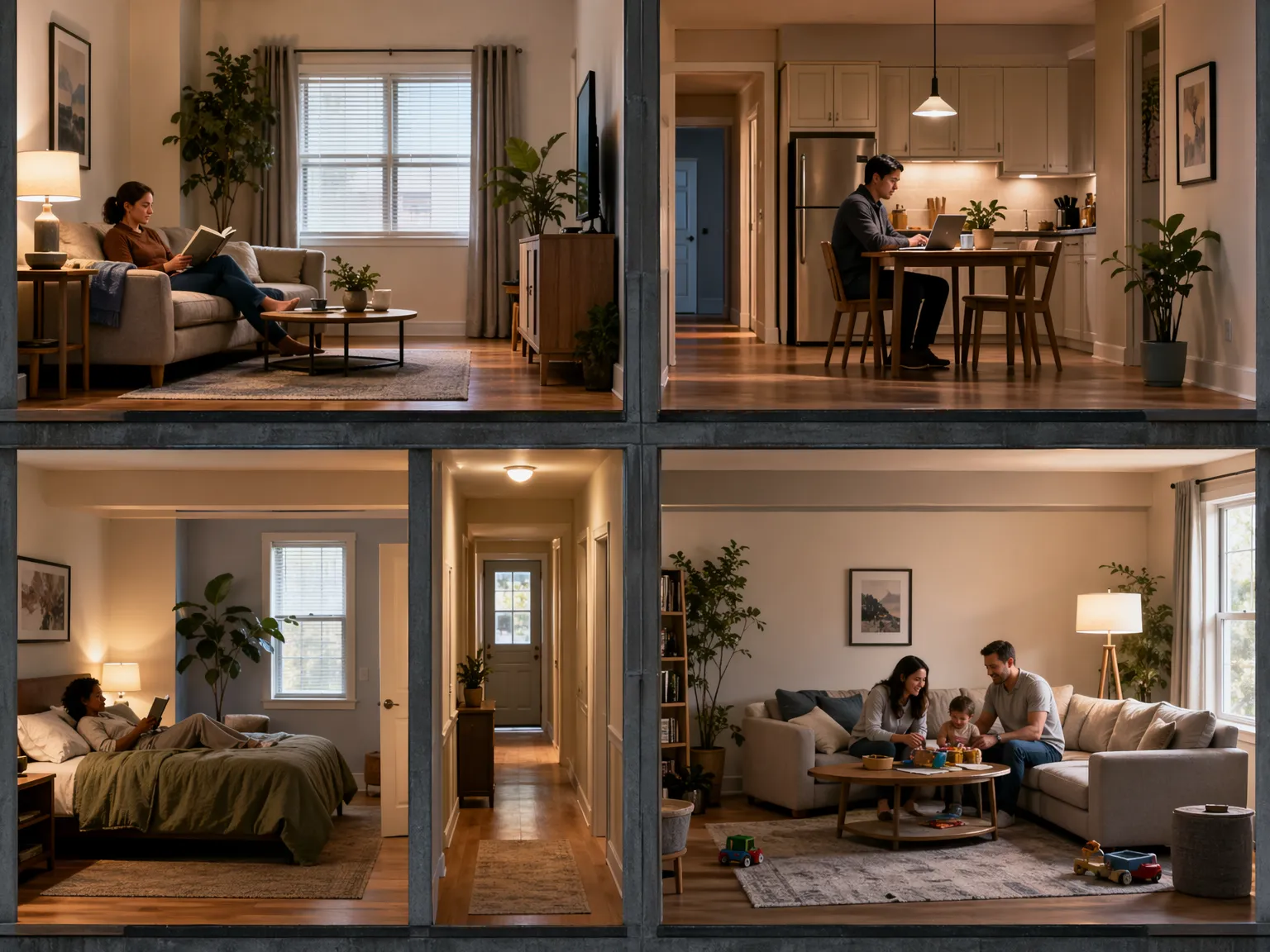
These advantages support more efficient asset management and can improve tenant retention, which is vital in Louisiana’s multi-family housing sector.
What Are the Key Advantages of No-Dig Sewer Repair for Tenant Disruption Reduction?
No-dig methods, including CIPP lining, offer practical tenant-friendly benefits:
- Quick Implementation: Many repairs finish in a day or within a short window, limiting downtime and reducing tenant inconvenience during Louisiana’s hot and humid summers.
- Less Noise and Mess: The absence of heavy excavation equipment lowers site noise and debris, important in densely populated Louisiana neighborhoods where noise ordinances may apply.
- Improved Safety: Reduced trenching lowers accident risk for occupants and workers, particularly in multi-story buildings common in Louisiana’s urban centers.
What Are the Cost Implications of Drain Pipe Lining Compared to Traditional Sewer Repair Methods?
Cost comparisons depend on pipe length, condition, and access. While trenchless capital costs can be similar or higher on some projects, lifecycle savings from lower labor, restoration, and repeat-repair needs often yield favorable total cost outcomes. In Louisiana, where soil conditions and weather can accelerate pipe deterioration, the durability of trenchless repairs can be especially cost-effective over time.
Life-cycle analyses typically show trenchless options deliver long-term savings in many sanitary pipeline applications.
- Reduced Labor Costs: Shorter onsite durations and smaller crews lower labor expenses, which is beneficial in Louisiana’s labor market where skilled trades can be in high demand.
- Minimized Restoration Expenses: Little or no landscaping or surface repair reduces follow-up costs, preserving Louisiana’s often elaborate property landscaping and historic streetscapes.
- Long-Term Durability: Resin-based liners can extend service life and reduce the frequency of later interventions, important in Louisiana’s climate where moisture and soil conditions can accelerate pipe degradation.
What Are Tenant-Friendly Sewer Stack Rehabilitation Methods Employed by Pelican Underground LLC?
Pelican Underground LLC specializes in tenant-friendly approaches tailored to Louisiana’s multi-unit buildings, including:
- Vertical Stack Lining: Repairs risers without major intrusion into living spaces, preserving tenant privacy and minimizing noise in occupied buildings common in Louisiana’s urban areas.
- CIPP Lining: Restores conduits efficiently with cured-in-place liners, suitable for the region’s diverse pipe materials and conditions.
- Efficient Project Scheduling: Work is scheduled to reduce tenant inconvenience, often coordinated around local events and weather patterns typical of Louisiana.
How Does Project Scheduling Ensure Minimal Disruption During Sewer Lining?
Pelican Underground emphasizes clear tenant communication, flexible timing (off-peak scheduling), and efficient crews so projects finish quickly and occupants can resume normal activities promptly. This approach is particularly important in Louisiana where extreme weather events can affect project timelines and tenant needs.
Cost Analysis
Property owners should compare initial costs, long-term savings, and disruption when choosing a method, considering Louisiana-specific factors such as climate impact, local labor rates, and regulatory requirements.
| Method | Initial Cost | Long-Term Savings | Disruption Level |
|---|---|---|---|
| Trenchless (CIPP) | Moderate | High | Low |
| Traditional Excavation | High | Low | High |
Although trenchless work can have moderate upfront costs, reduced restoration and operational impacts usually make it the preferable choice for occupied multi-unit buildings in Louisiana, where tenant retention and property preservation are critical.
What Factors Influence Pricing for Sewer Stack Rehabilitation Services in Louisiana?
Key pricing drivers include pipe length, pipe condition (extent of deterioration), and site access complexity; each affects materials, labor, and schedule. Additionally, Louisiana-specific factors such as flood zone status, historic district regulations, and seasonal weather patterns can influence project costs and timelines.
How Is Sewer Stack Rehabilitation Executed in Multi-Unit Buildings to Minimize Tenant Impact?
Typical project steps are:
- Initial Assessment: Inspection to identify defects and recommend a method, often using video camera technology adapted for Louisiana’s pipe materials and conditions.
- Implementation of Trenchless Methods: Deploy the selected technology (e.g., CIPP or vertical lining) with minimal intrusion, scheduling work to avoid peak tenant occupancy times and local events.
- Post-Repair Evaluation: Verify repair integrity and address tenant concerns, including follow-up inspections to ensure performance in Louisiana’s humid environment.
What Makes Pelican Underground LLC a Trusted Provider of Trenchless Sewer Repair in Louisiana?
Pelican Underground is recognized for trained personnel familiar with Louisiana’s plumbing challenges, strong customer feedback, and collaboration with local authorities to support urban infrastructure improvements. Their experience with historic buildings and flood-prone areas makes them a preferred partner for multi-unit property owners. All work is performed in compliance with Louisiana State Plumbing Board regulations governing plumbing work in the state.
Get Multi-Unit Sewer Repair and Drain Lining Services in Louisiana
Trenchless sewer repair methods in multi-unit buildings offer measurable benefits in Louisiana: reduced tenant disruption, improved cost efficiency, and environmental advantages. Techniques such as CIPP lining enable property owners to preserve plumbing assets while keeping occupants in place, even in historic or flood-prone areas. For commercial properties in the New Orleans area, explore our commercial pipe lining services in New Orleans.
Property owners may engage Pelican Underground LLC, a Louisiana-based company specializing in trenchless sewer repair methods designed to limit tenant disruption and address plumbing deficiencies efficiently. Our local expertise ensures compliance with state and municipal regulations and sensitivity to regional building characteristics.
Frequently Asked Questions
What types of properties benefit most from trenchless sewer repair in Louisiana?
Trenchless sewer repair is particularly beneficial for multi-unit residential properties, such as apartment complexes and historic buildings, where tenant disruption must be minimized. These methods are ideal for properties with aging infrastructure, especially those with cast iron or clay pipes that are prone to corrosion. Additionally, urban areas with limited access and narrow streets can greatly benefit from trenchless techniques, as they avoid the need for extensive excavation, preserving both tenant comfort and property aesthetics.
How long does a typical trenchless sewer repair project take?
The duration of a trenchless sewer repair project can vary based on the method used and the specific conditions of the property. Generally, projects can be completed within a day or two, significantly reducing downtime compared to traditional excavation methods. Factors such as pipe length, condition, and access constraints will influence the timeline. In Louisiana, where tenant comfort is crucial, efficient scheduling is prioritized to ensure minimal disruption during the repair process.
Are there any environmental considerations with trenchless sewer repair?
Yes, trenchless sewer repair methods, such as CIPP lining, are designed to be environmentally friendly. By minimizing excavation, these techniques help preserve existing landscaping and reduce carbon emissions associated with restoration activities. Additionally, they limit soil disturbance, which can be particularly important in Louisiana’s flood-prone areas. The reduced need for heavy machinery also lowers noise pollution and minimizes the impact on local wildlife, contributing to a more sustainable approach to plumbing repairs.
What maintenance is required after trenchless sewer repairs?
After trenchless sewer repairs, minimal maintenance is typically required. Property owners should conduct regular inspections to monitor the condition of the newly lined pipes and ensure they are functioning properly. It is also advisable to maintain clear access to sewer cleanouts for future inspections or maintenance needs. In Louisiana, where environmental conditions can affect plumbing systems, staying proactive with maintenance can help extend the lifespan of the repairs and prevent future issues.
How do trenchless methods compare to traditional methods in terms of tenant satisfaction?
Trenchless methods generally lead to higher tenant satisfaction compared to traditional excavation methods. The reduced noise, dust, and disruption associated with trenchless repairs create a more comfortable living environment for tenants. Additionally, the quick turnaround time of these projects minimizes inconvenience, which is especially important in densely populated areas of Louisiana. By prioritizing tenant comfort and maintaining services during repairs, property owners can foster positive relationships with their residents.
What should property owners consider when choosing a trenchless repair provider?
When selecting a trenchless repair provider, property owners should consider the company’s experience with local plumbing challenges, particularly in Louisiana’s unique climate and infrastructure. It’s important to review customer feedback and case studies to gauge the provider’s reliability and effectiveness. Additionally, ensure that the provider is familiar with local regulations and has a strong track record of minimizing tenant disruption during projects. A trusted provider will also offer clear communication and efficient project management to meet tenant needs.