Complete Cost Breakdown: Trenchless Vs Traditional Sewer Repair
Understanding the true cost difference between trenchless pipe repair and traditional excavation requires looking beyond the initial per-foot pricing. While traditional methods appear cheaper upfront, the total project cost tells a different story.
- Excavation: $1,500–$4,000
- Pipe Replacement: $2,000–$8,000
- Landscaping Restoration: $2,000–$8,000
- Driveway/Concrete: $3,000–$12,000
- Total: $8,500–$32,000+
- CIPP Lining: $3,500–$10,000
- Pipe Bursting: $4,000–$12,000
- Minimal Restoration: $200–$800
- No Landscaping Damage
- Total: $3,700–$12,800
Key Insight: For a typical 40-foot sewer line replacement, trenchless methods save homeowners between $4,800–$19,200 compared to traditional excavation when factoring in all restoration costs. According to the EPA's analysis of trenchless technologies, the total project cost savings range from 20–60% depending on site conditions.
Why Trenchless Repair Costs Less in Total
Despite higher per-foot pricing, trenchless methods deliver superior value through reduced collateral damage and faster completion. Here's how modern sewer repair techniques save money:
Minimal Surface Disruption
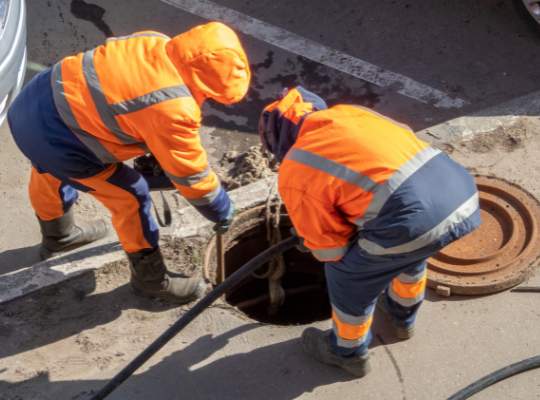
Trenchless repair requires only two small access points (typically 4x4 feet each) compared to a continuous trench 3–6 feet wide and 40–100 feet long. This reduces restoration costs by 85–95%.
50+ Year Lifespan
Pipe lining solutions come with 50+ year warranties. The seamless, corrosion-resistant liner prevents future root intrusion and deterioration, eliminating repeat repairs.
1–3 Day Completion
Most trenchless projects complete in a single day. This minimizes business interruption, reduces temporary facility needs, and gets your property back to normal faster.
Detailed Method Comparison
| Factor | Traditional Excavation | Trenchless Repair |
|---|---|---|
| Material Cost Per Foot | $50–$200 | $80–$250 |
| Project Duration | 7–14 Days | 1–3 Days |
| Landscaping Damage | Extensive — Full Restoration Needed | Minimal — 2 Small Access Points |
| Warranty Period | 1–10 Years | 50+ Years |
| Total Project Cost | $8,500–$32,000 | $3,700–$12,800 |
| Property Value Impact | Temporary Decrease During Work | Neutral to Positive |
| Best For | Severely Collapsed Pipes, Major Realignment | Cracks, Leaks, Root Intrusion, Corrosion |
For more detail on each approach, see Pros and Cons of Trenchless Sewer Repair.
Factors Affecting Your Sewer Repair Cost
Several variables influence the final cost of both traditional and trenchless repairs. Understanding these factors helps you budget accurately:
1. Pipe Length and Depth
The length of damaged pipe directly impacts costs for both methods. However, depth creates a bigger price difference for traditional repairs. Shallow pipes (2–4 feet) add 10–20% to base excavation costs. Standard depth (4–6 feet) uses base pricing. Deep pipes (6–10+ feet) add 40–80% to excavation costs due to safety requirements, shoring, and equipment needs. Trenchless methods experience minimal cost increase with depth since they don't require deep trenches — making trenchless repair particularly cost-effective for deep sewer lines.
2. Pipe Material and Condition
Your existing pipe type affects repair options and costs. New Orleans homes built before the 1970s typically sit on cast iron pipe or vitrified clay pipe.
Cast iron corrodes from the inside out in New Orleans' moisture-heavy environment. Heavy scale buildup requires hydro jetting or robotic cutting before lining, adding $500–$1,500 to the project. However, cast iron pipes are excellent candidates for CIPP lining when structurally intact. Learn more about cast iron pipe repair options.
Vitrified clay pipe joints are magnets for root intrusion in New Orleans' lush environment. The joints separate over time due to ground shifting and subsidence, creating entry points for roots and groundwater. Both pipe lining and pipe bursting work well for clay pipe repair.
Orangeburg pipes have typically lost all structural integrity and are not candidates for pipe lining. Pipe bursting is usually the recommended trenchless solution for these severely deteriorated lines. In rare cases, traditional excavation may be the only option.
3. Access Point Locations
Both methods require access to the damaged pipe, but in different ways. Traditional excavation requires access along the entire pipe length — costs escalate when pipes run under structures, mature landscaping, or hardscaping. Trenchless repair needs only two access points (entry and exit) and can work around obstacles by routing equipment through the pipe itself. If your sewer line runs under a pool, mature oak tree, or recently installed patio, trenchless repair can save $5,000–$15,000 in damage avoidance.
4. Geographic Location and Labor Costs
New Orleans' high water table and expansive clay soils create constant hydrostatic pressure on buried pipes. The city's subsidence — gradual ground sinking — shifts and separates pipe joints over time. These unique conditions require contractors with specialized knowledge, and that expertise is factored into pricing. Studies on the city's sewer infrastructure crisis have documented widespread degradation across older neighborhoods.
| Region | Traditional Cost | Trenchless Cost |
|---|---|---|
| Major Metropolitan Areas | $150–$300/Ft | $180–$350/Ft |
| Suburban Areas | $80–$200/Ft | $120–$250/Ft |
| Rural Areas | $50–$150/Ft | $100–$200/Ft |
When to Choose Each Method
While trenchless repair offers compelling cost advantages, certain situations still call for traditional excavation. Here's when each makes sense:
Choose Trenchless Repair When:
Pipe has cracks, holes, or root intrusion but maintains structural integrity (90% of cases). Sewer line runs under valuable landscaping, structures, or hardscaping. You need fast completion to minimize business or life disruption. The pipe is 3+ inches in diameter (minimum for CIPP lining). You want a 50+ year warranty and long-term peace of mind. Local regulations allow trenchless methods (most do).
Choose Traditional Excavation When:
Pipe has completely collapsed or is severely offset (rare but happens). Major grade corrections are needed to fix drainage problems. Multiple connection points need relocation or reconfiguration. Pipe is severely undersized and needs diameter increase. Extremely old Orangeburg pipe has lost all structural integrity. Property already requires excavation for other utility work.
Get a Professional Assessment: A sewer camera inspection ($150–$400) reveals your pipe's exact condition and determines which repair method offers the best value. This small upfront investment prevents costly mistakes and ensures you choose the optimal solution. Learn why a camera inspection matters.
Long-Term ROI Analysis: 10-Year Cost Comparison
Looking beyond the initial repair cost reveals trenchless repair's true financial advantage. Here's the 10-year total cost of ownership:
| Cost Factor | Traditional (10 Years) | Trenchless (10 Years) |
|---|---|---|
| Initial Repair Cost | $12,000 | $8,000 |
| Landscaping Restoration | $5,000 | $400 |
| Hardscape Repairs | $6,000 | $0 |
| Follow-Up Repairs (Year 5–10) | $3,500 | $0 |
| Annual Maintenance | $2,000 | $800 |
| 10-Year Total | $28,500 | $9,200 |
Environmental and Social Costs
Modern homeowners increasingly value sustainable solutions. Trenchless methods reduce heavy equipment use by 70–90%, lowering project emissions. Traditional excavation creates 3–8 tons of debris requiring disposal, while trenchless generates minimal waste. Shorter project duration reduces noise, traffic disruption, and neighbor inconvenience — all factors that matter in New Orleans' tight-knit neighborhoods.
Does Homeowners Insurance Cover Sewer Line Repair?
Standard homeowners insurance policies in Louisiana generally do not cover sewer line repairs caused by normal wear and tear, aging, tree root intrusion, or ground settling. Some policies cover sewer damage from sudden, accidental events, but coverage varies by insurer. Sewer line rider endorsements typically add $50–$150 per year for $10,000–$25,000 in coverage.
The Sewerage & Water Board of New Orleans maintains the main sewer lines, but homeowners are responsible for the lateral — the pipe running from the main to your home. This is the line that most commonly needs repair. Read who is responsible for sewer line repair and whether insurance covers your situation.
Get Your Free Sewer Repair Cost Estimate
Pelican Underground specializes in cost-effective trenchless sewer repair throughout Louisiana, Mississippi, and Alabama. Our certified technicians provide transparent pricing and guaranteed results.
Schedule Free Inspection Or call now: (504) 387-9909Conclusion: Key Takeaways
Initial Pricing Is Misleading: While trenchless costs $80–$250/ft vs. traditional's $50–$200/ft, total project costs tell a different story. Traditional excavation adds $3,000–$15,000+ in restoration expenses.
Trenchless Saves 30–50% Overall: For a typical 40-foot repair, expect to pay $3,700–$12,800 with trenchless vs. $8,500–$32,000 with traditional methods — a savings of $4,800–$19,200.
Time Is Money: Trenchless completion in 1–3 days vs. 7–14 days for excavation reduces lost wages, business disruption, and inconvenience costs by $2,500–$5,000.
50+ Year Warranty Provides Peace of Mind: The seamless, corrosion-resistant liner prevents future root intrusion and deterioration, eliminating costly repeat repairs that plague traditionally replaced pipes.
Property Preservation Adds Value: Avoiding landscape destruction and hardscape damage saves $5,000–$20,000 and maintains your property's aesthetic appeal and market value.
Professional Assessment Is Crucial: A camera inspection ($150–$400) ensures you choose the most cost-effective method for your specific situation.
Frequently Asked Questions