
7 Clear Signs Your Pipes Need Lining — Act Now
Many homeowners don’t notice plumbing problems until they turn into expensive repairs. Spotting the early warning signs that your home needs pipe lining can save time, money, and a lot of hassle. Below we outline seven unmistakable clues your pipes may be failing, explain what each symptom usually means, and show why trenchless pipe lining is often the fastest, least disruptive fix. Knowing what to watch for helps you act before small issues become major headaches. If you’re new to the concept, start with our guide on what pipe lining is and how it works.
Most common pipe-damage symptoms that call for quick attention
Catch these signs early to avoid bigger repair bills. Look for water stains on walls or ceilings, persistent noises in your pipes, and water pressure that drops or spikes without explanation. Ignoring those warnings can lead to leaks or bursts that damage floors, walls, and belongings. According to the U.S. Environmental Protection Agency, household leaks waste nearly 1 trillion gallons of water nationwide every year — most of which stem from worn, aging, or damaged pipes.
Spotting corrosion early: what to look for
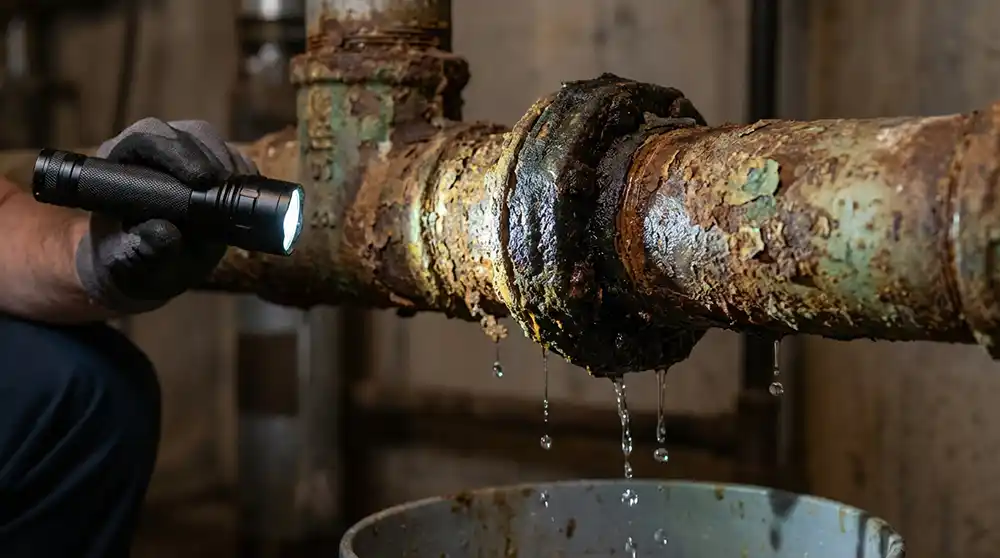
Corroded pipes often show visible clues: brown or green discoloration, flaky rust, or wet spots where metal has weakened. If you see those signs on exposed pipes, have them evaluated. Corrosion eats away pipe material over time, increasing the risk of leaks and breakdowns that are more costly to fix the longer they go unchecked.
Recognizing leaks and the damage they cause
Leaks show up in predictable places — under sinks, behind appliances, inside walls and basements. Even small, slow leaks can cause mold, rot, and higher water bills if left alone. Regularly check these areas and act quickly when you find dampness, musty odors, or unexpected water pooling.
Which emergency indicators mean you need immediate pipe lining?
What typically causes pipe bursts — and when to move fast
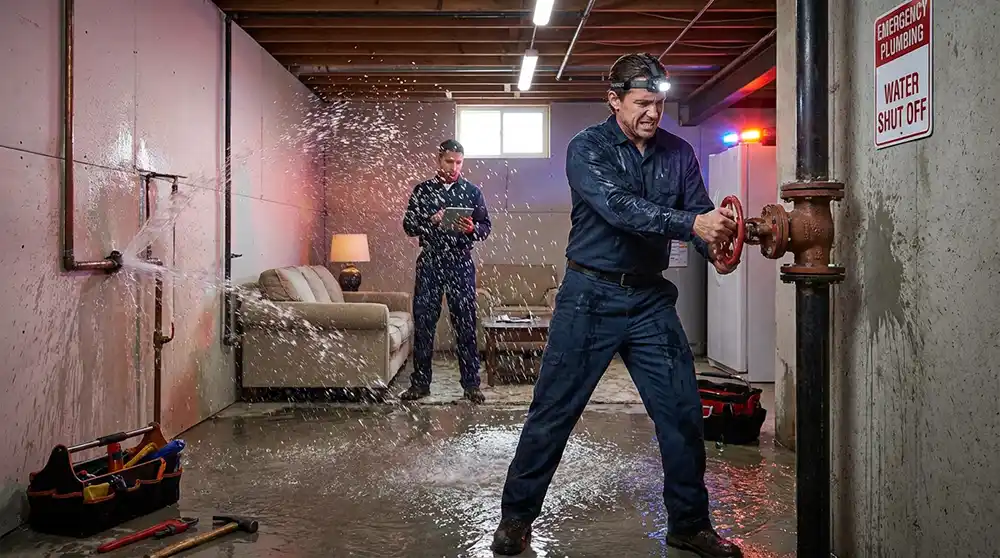
Pipes can burst from freezing, advanced corrosion, age, or sudden pressure spikes. A burst pipe releases lots of water quickly and can ruin floors, walls, and belongings in minutes. If you see a sudden gush, hear loud banging, or notice major flooding, shut off the main water and call a licensed pro right away. Understanding the signs your main sewer line is clogged can help you distinguish between a blockage and a more serious structural failure before the situation escalates.
How sudden water-pressure shifts point to hidden damage
Sharp drops or surges in water pressure often mean a blockage, a leak, or failing pipe walls. Don’t ignore inconsistent pressure — addressing it early can stop a minor issue from becoming a burst or a persistent leak that requires extensive repair.
Why trenchless pipe lining is a fast, cost-conscious repair option
Trenchless pipe lining repairs pipes from the inside without digging up your yard. It’s usually quicker than full excavation and keeps landscaping, driveways, and patios intact while delivering a durable, long-lasting repair. For a balanced look at this method, our detailed breakdown of the pros and cons of trenchless sewer repair covers everything you need to weigh before committing to a solution.
Benefits of trenchless technology compared with traditional excavation
Trenchless repairs offer several clear advantages over digging up pipes. Minimal disruption means little to no digging, so your lawn, walkways, and landscaping stay intact. Cost savings come from lower restoration and labor expenses that often make trenchless work more economical overall. Durable results are delivered through modern lining materials that hold up for decades, reducing the need for repeat repairs. Those benefits make trenchless lining a smart choice when time, cost, and property disturbance matter. This Old House also recognizes trenchless methods among the most effective modern solutions for sewer line repair, particularly for older homes where traditional excavation would cause significant property damage.
How long does pipe lining last — and when should pipes be replaced?
Properly installed pipe lining can last several decades, depending on pipe condition and environment. Keep an eye on performance and schedule periodic inspections. For a deeper look at expected lifespan, read our full guide on how long pipe lining lasts and what factors influence longevity. If damage is widespread or the pipe structure is compromised, full replacement may be the safer, longer-term solution.
Key differences between minor fixes and urgent lining needs
Not every drip needs a full lining. Knowing the difference helps you prioritize repairs and save money.
Surface leaks versus structural pipe failure: how to tell
Surface leaks — small drips at joints or fixtures — are often repairable without lining. Structural failure involves the pipe wall itself: ongoing corrosion, multiple leaks, or collapse. If problems are inside the pipe or recurring despite repairs, lining is usually the better option.
When corrosion is bad enough to require immediate lining
If corrosion causes thinning, holes, or repeated leaks, the pipe’s integrity is at risk and lining or replacement should be scheduled promptly. Regular inspections will reveal the extent of corrosion and guide the right repair choice.
How homeowners and businesses can detect pipe problems earlier
Early detection cuts repair costs and downtime. Both homeowners and commercial properties benefit from routine checks and simple monitoring steps.
Routine inspection methods that reveal urgent repair signs
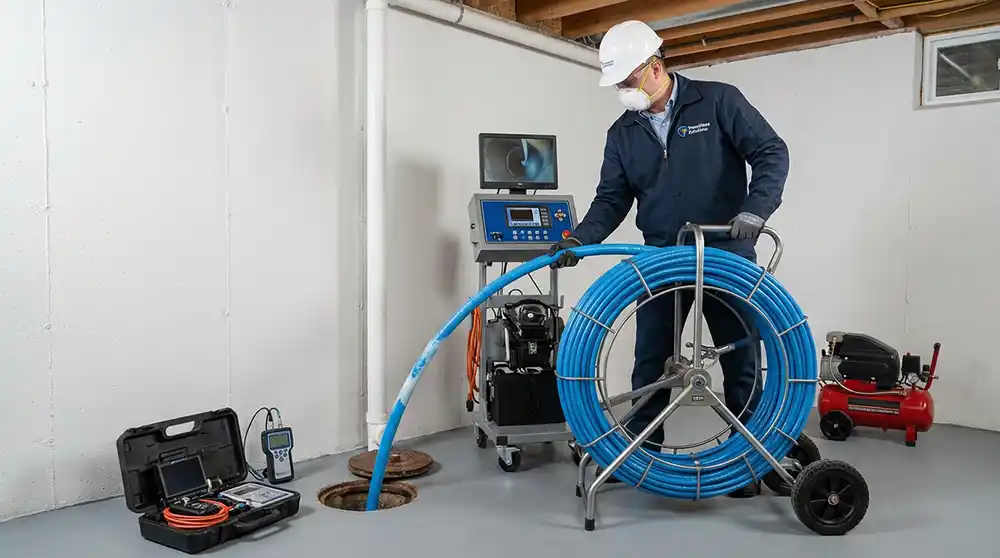
Schedule regular plumbing checkups with a qualified technician. A professional sewer camera inspection is one of the most reliable tools available — it uses video technology to identify leaks, blockages, and corrosion deep inside your pipes before they escalate into emergencies. Typical inspections also include visual checks and pressure testing.
How steady maintenance keeps emergencies at bay
Consistent maintenance — cleanouts, minor repairs, and scheduled inspections — prevents small issues from becoming emergencies. A proactive plan saves time, stress, and money over the long run.
Environmental and cost advantages of choosing urgent pipe lining
Choosing lining over replacement often delivers both environmental and financial benefits. Understanding those advantages helps you make a smarter repair decision.
How trenchless lining limits property disruption and environmental impact
Trenchless methods avoid large-scale excavation, which preserves landscaping, reduces soil disturbance, and generates less construction waste. It’s an effective, lower-impact choice for repairs.
Environmental Impact Comparison
Excavation Required: Traditional Methods — Yes | Trenchless Pipe Lining — No
Landscaping Damage: Traditional Methods — High | Trenchless Pipe Lining — Minimal
Waste Generation: Traditional Methods — High | Trenchless Pipe Lining — Low
Long-term cost savings versus traditional pipe replacement
While initial costs can be similar, trenchless lining typically results in fewer future repairs and lower restoration expenses, which adds up to real savings over time. Consider lifecycle costs, not just the upfront price, when comparing options.
Cost Comparison
Initial Cost: Traditional Replacement — Moderate to High | Trenchless Pipe Lining — Moderate to High
Long-Term Savings: Traditional Replacement — Low | Trenchless Pipe Lining — High
Maintenance Cost: Traditional Replacement — Frequent | Trenchless Pipe Lining — Rare
By knowing the warning signs and the benefits of trenchless pipe lining, you can protect your plumbing system before problems escalate. Early detection and timely repair will keep your home running smoothly and reduce unexpected costs.
Final takeaway
Spotting urgent pipe problems early prevents costly repairs and protects your home. Trenchless pipe lining offers a durable, low-disruption option for many common pipe failures. Take proactive steps now — schedule an inspection if you notice any of the signs above — and choose the repair path that preserves your property and gives you peace of mind. Explore our expert plumbing services to keep your home in top condition.